Best Self-Development Books That Changed My Life
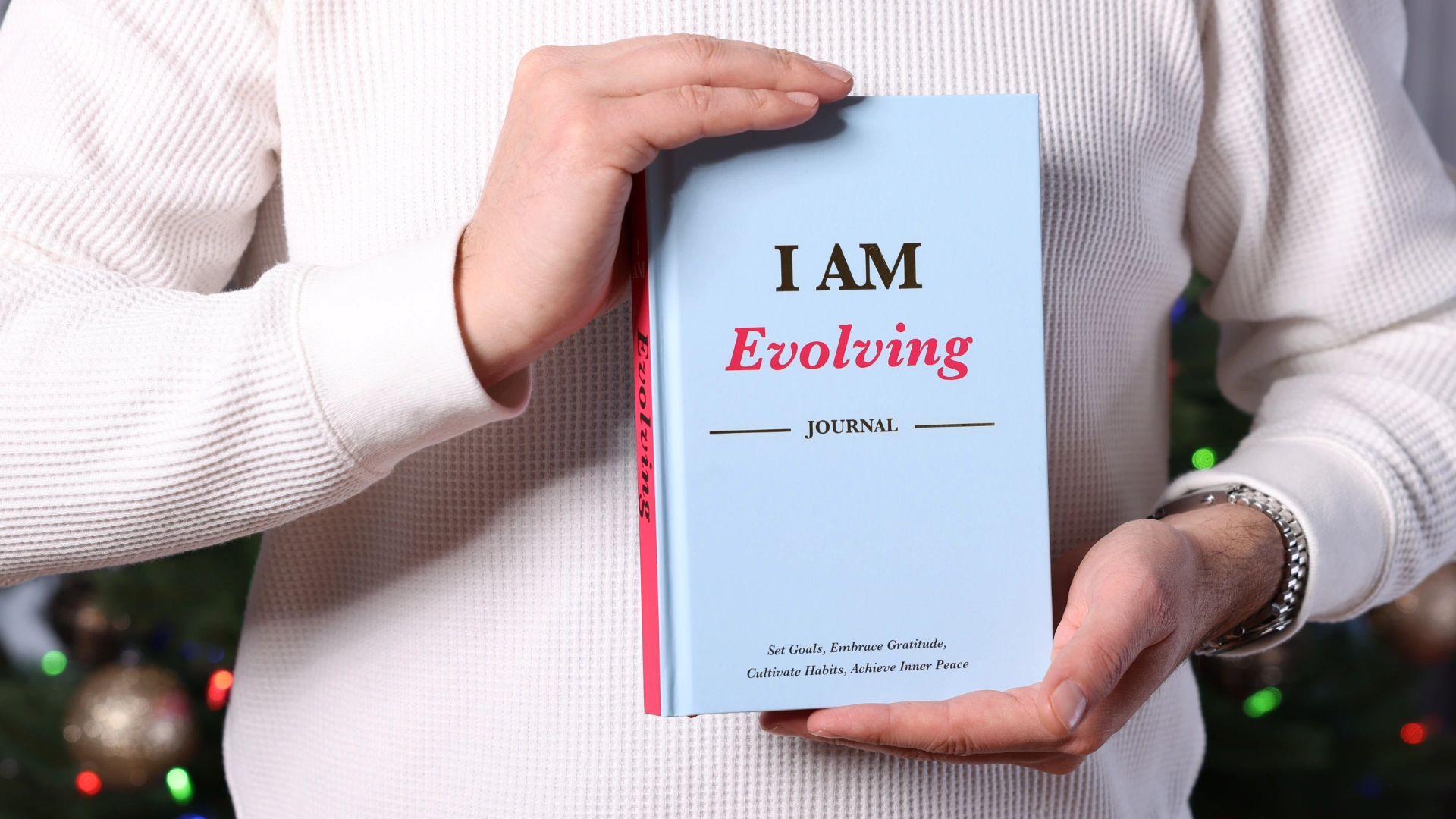
Books have always been my mentors — silent teachers that shaped how I think, grow, and live. Over the years, the best self-development books influenced the iAmEvolving™ philosophy and guided me toward clarity, gratitude, and conscious evolution. These are the books that changed my life and guided me to create a journal designed for clarity, gratitude, and conscious evolution.
Why These Are the Best Self-Development Books for Personal Growth
These are the self-development books I recommend most—titles I didn’t just read, but applied through daily reflection, habits, and conscious practice.
As a Man Thinketh — James Allen (1903)
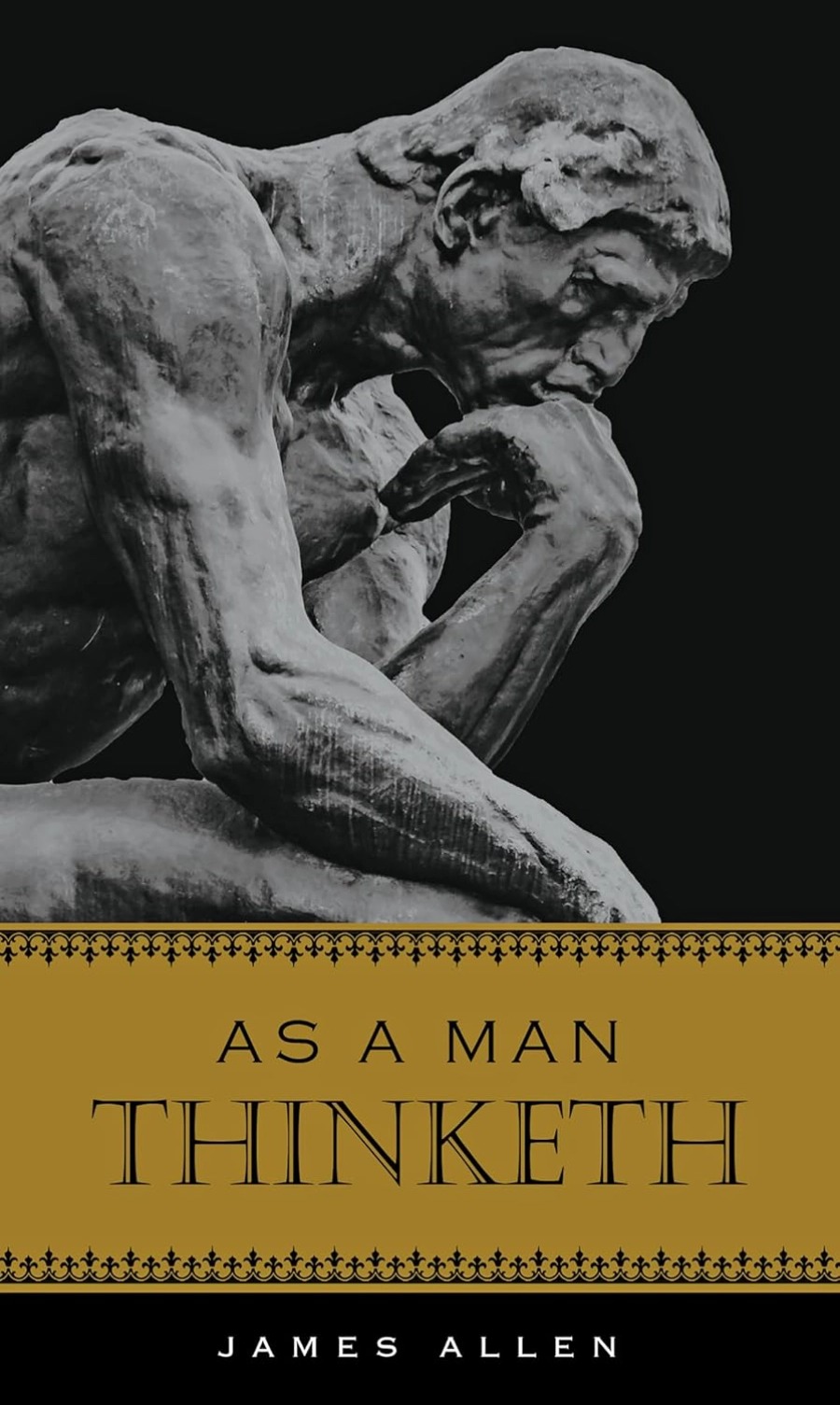
The foundation of conscious thought and character
James Allen’s timeless essay taught me the essence of thought power: that our lives are reflections of our inner beliefs. This idea became the seed of iAmEvolving — where every goal you write is a reflection of the person you’re becoming.
Allen reminds us that character is not formed by chance, but built deliberately through repeated thought. He shows that circumstances don’t define us — they reveal us. What we consistently hold in mind eventually expresses itself in action, habit, and result.
This perspective changed how I approached personal growth. Instead of trying to control outcomes, I began focusing on shaping the inner landscape that creates them. Writing intentions stopped being motivational and became formative — a way of consciously choosing who I was becoming.
Core lessons:
- Thoughts shape character, actions, and life direction
- Conscious intention builds identity over time
Verdict
This book taught me that real growth begins internally. It shifted my focus from changing results to cultivating awareness and responsibility for thought — a principle that still guides how I write goals and reflect today.
Your Invisible Power — Genevieve Behrend (1951)
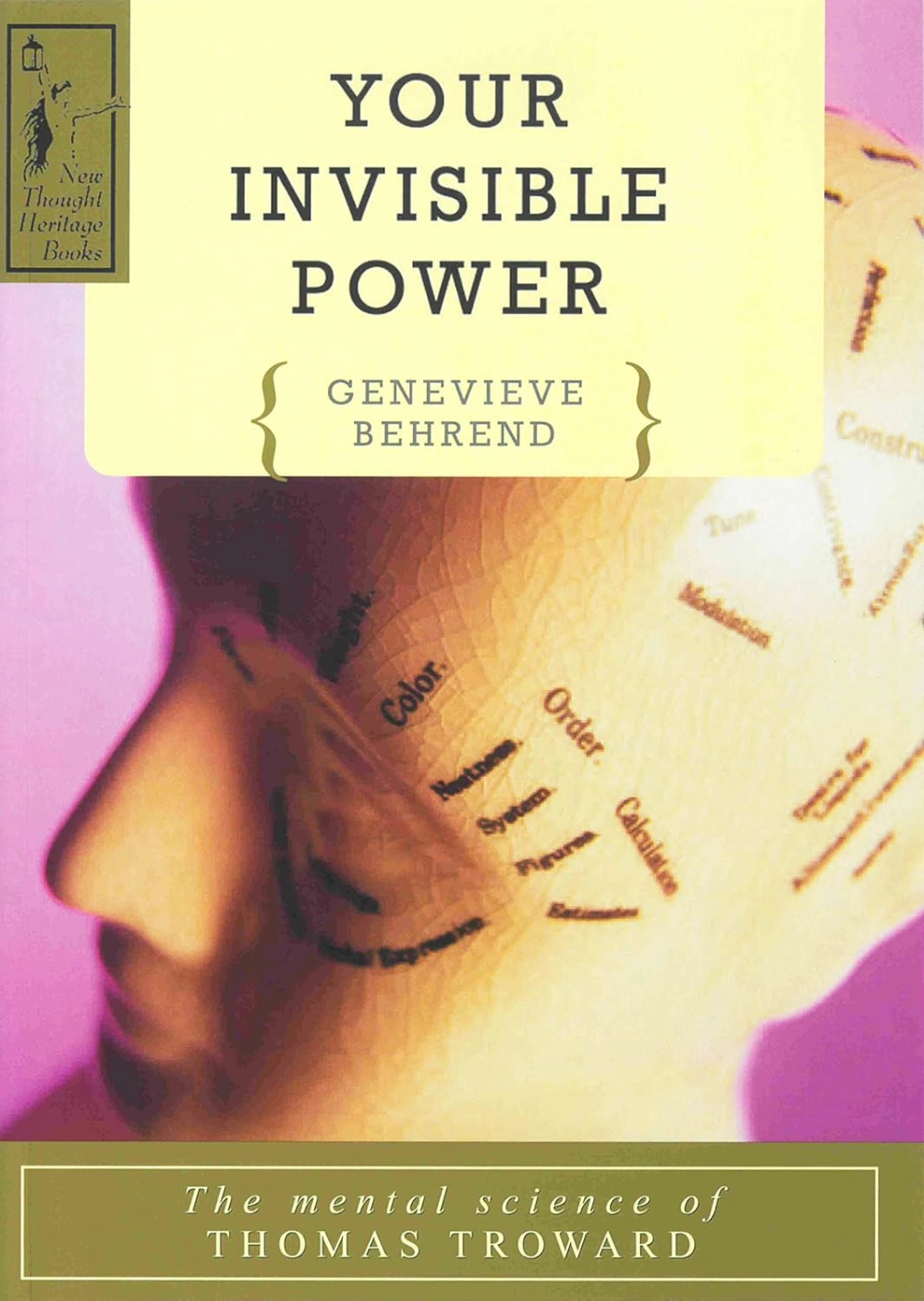
Visualization, faith, and the creative mind
Genevieve Behrend’s Your Invisible Power introduced me to the harmony between imagination and belief. As the only direct student of Thomas Troward, Behrend translated abstract metaphysical principles into something practical and accessible: the idea that clear mental images, held with calm confidence, shape outcomes.
What struck me most was her emphasis on relaxed certainty. She teaches that creation doesn’t respond to force or strain, but to quiet knowing. Visualization, when paired with faith, becomes a way of cooperating with life rather than trying to overpower it.
This insight deeply influenced how I approached goal setting. Instead of treating goals as distant targets, I began seeing them as inner pictures to return to daily. Writing intentions became less about effort and more about alignment—clarifying what I was moving toward and trusting the process unfolding beneath the surface.
Core lessons:
- Imagination is a creative faculty, not fantasy
- Faith works best when paired with calm, focused visualization
Verdict
This book taught me to approach goals with clarity and ease rather than tension. It shifted my mindset from striving to aligning—using visualization as a gentle but powerful tool for conscious creation.
The Hidden Power — Thomas Troward (1902)

Alignment between logic, consciousness, and spiritual law
Thomas Troward’s The Hidden Power showed me that spirituality and logic are not opposites, but partners. His work bridges reason and metaphysics, explaining consciousness as a lawful force rather than a mystical abstraction. This reframed personal growth for me—from belief-based hope to principled alignment.
Troward emphasizes that results are not random. They emerge when thought, awareness, and intention operate in harmony with universal law. What I appreciated most was his clarity: consciousness is creative, but only when directed intelligently. Awareness without discipline leads to drift; discipline without awareness leads to force.
This balance influenced how I approached reflection and structure. Growth became less about motivation and more about understanding cause and effect—how inner states naturally express themselves outwardly when they are coherent and sustained.
Core lessons:
- Consciousness operates through law, not chance
- Alignment between thought and awareness creates consistent results
Verdict
This book grounded my understanding of growth in clarity rather than mysticism. It taught me that lasting change comes from aligning awareness with principle—making intention calm, deliberate, and sustainable.
The Game of Life and How to Play It — Florence Scovel Shinn (1925)
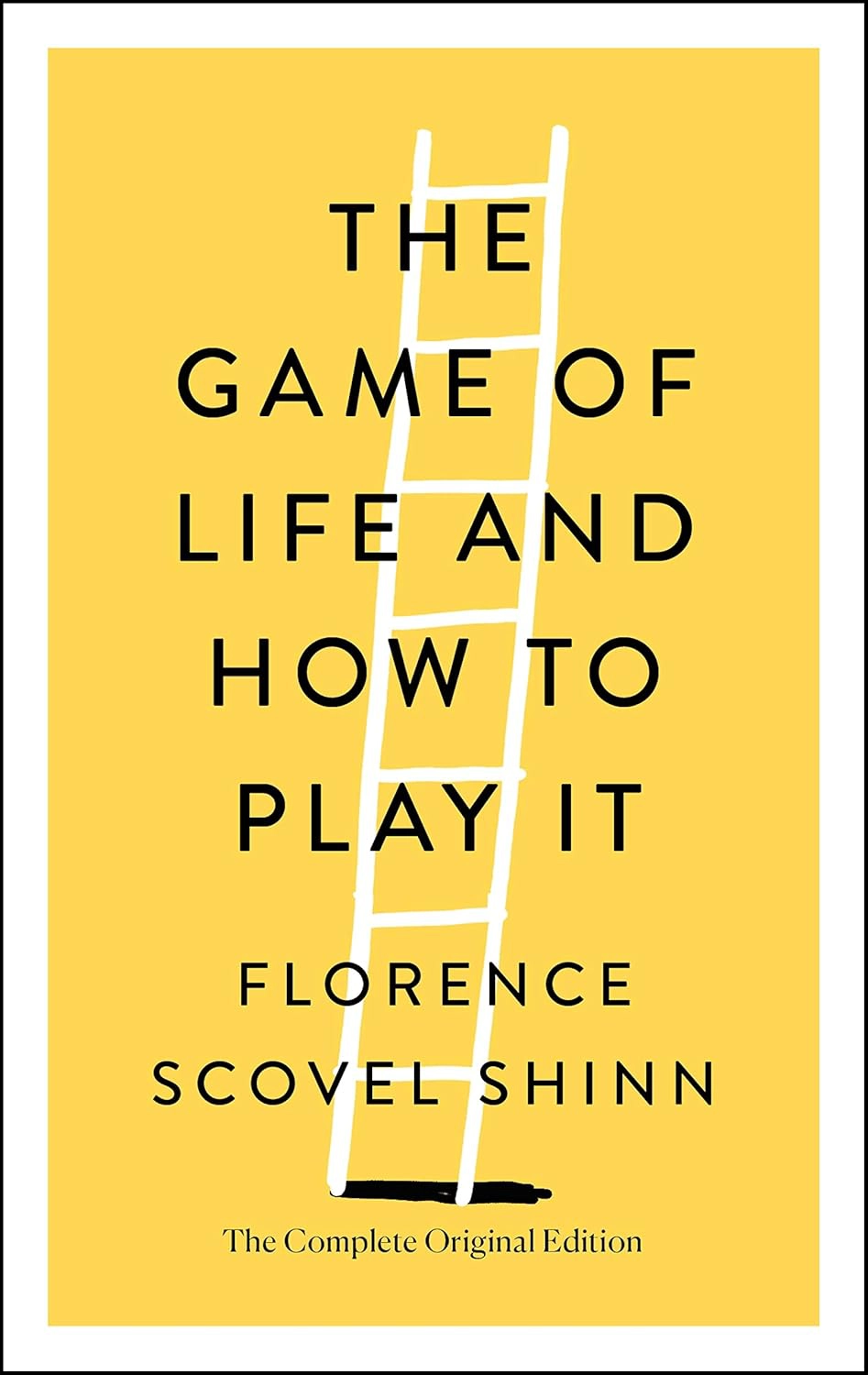
The power of words, attitude, and conscious declaration
Florence Scovel Shinn’s The Game of Life and How to Play It helped me understand the creative power of language and inner attitude. Her work emphasizes that words are not neutral — they shape experience. The way we speak, think, and affirm becomes a living force that directs outcomes.
One of her most striking ideas is that life responds to what we consistently declare. “Your word is your wand” is not poetic exaggeration, but a reminder that repeated inner dialogue sets expectations in motion. Shinn showed me that intention gains power when it is spoken or written with clarity and conviction.
This perspective influenced how affirmations and intention-setting became part of my daily practice. Writing goals stopped being a wishful exercise and became an act of alignment — choosing words carefully, not to control life, but to cooperate with it.
Core lessons:
- Words and inner dialogue shape experience
- Attitude determines how intention unfolds
Verdict
This book taught me to treat language as a creative tool rather than casual expression. It reinforced the importance of conscious wording and present-tense intention when writing goals and affirmations.
The Science of Getting Rich — Wallace D. Wattles (1910)
Gratitude, faith, and creative alignment
Wallace D. Wattles reframed my understanding of wealth as an inner state before it is an external condition. In The Science of Getting Rich, success is not presented as competition or force, but as alignment with creative principles governed by thought, gratitude, and purposeful action.
What stood out most was Wattles’ emphasis on gratitude as a stabilizing force. Gratitude, in his view, is not passive appreciation — it is an active state that keeps the mind connected to abundance rather than lack. This idea reshaped how I approached daily practice, shifting focus from striving to steady appreciation.
His philosophy influenced the integration of gratitude into my journaling routine. Writing gratitude daily became a way to reinforce awareness of sufficiency and possibility, grounding ambition in calm confidence rather than urgency.
Core lessons:
- Wealth begins as an internal state of alignment
- Gratitude stabilizes focus and sustains creative momentum
Verdict
This book taught me that gratitude is not separate from success — it supports it. It reinforced the idea that consistent appreciation creates clarity, direction, and a grounded sense of abundance that shapes action naturally.
The Power of Your Subconscious Mind — Joseph Murphy (1963)
Reprogramming belief through repetition and feeling
Joseph Murphy’s The Power of Your Subconscious Mind taught me that lasting change doesn’t come from willpower alone, but from what we consistently impress upon the subconscious. He explains that the subconscious mind doesn’t judge or analyze — it simply accepts what is repeated with belief and emotional involvement.
This realization changed how I approached growth. Instead of trying to force new habits or fight old patterns, I began focusing on repetition with intention. Thoughts, affirmations, and written statements became a way of communicating directly with the deeper mind, shaping behavior naturally rather than through pressure.
This is where journaling evolved from reflection into practice. Writing daily intentions, gratitude, and affirmations became a form of subconscious training. Over time, resistance softened, reactions changed, and behavior shifted — not because I tried harder, but because my inner world was being gently reprogrammed.
Core lessons:
- The subconscious mind accepts what is repeated with feeling
- Consistency matters more than intensity in personal change
Verdict
This book taught me to work with the subconscious instead of against it. It reinforced the power of daily writing as a quiet but effective way to reshape beliefs and create lasting inner change.
The Power of Awareness — Neville Goddard (1952)
Assumption, identity, and conscious being
Neville Goddard’s The Power of Awareness transformed my understanding of consciousness and identity. His central principle — that assumption creates reality — shifted my focus from effort to awareness. Instead of trying to make things happen, he teaches that we become the state from which things naturally unfold.
What resonated most was the idea that identity precedes action. When you assume a new state of being, behavior aligns effortlessly. This insight changed how I approached goals: they were no longer something to chase, but something to occupy internally. Writing intentions in the present tense became a way of stepping into that state rather than hoping for it.
Goddard helped me see that urgency often signals misalignment. When awareness is clear and settled, decisions become obvious and calm. Journaling from this perspective trained me to write not from longing, but from clarity — anchoring intention in identity.
Core lessons:
- Assumption shapes experience before action does
- Identity, not effort, determines long-term behavior
Verdict
This book taught me to live from awareness rather than anticipation. It reframed goals as inner states to embody, bringing calm, precision, and confidence into how I reflect and act.
Breaking the Habit of Being Yourself — Dr. Joe Dispenza (2012)
Neuroplasticity, identity, and conscious change
Dr. Joe Dispenza’s Breaking the Habit of Being Yourself connected science with inner work in a way that validated practices I had already been exploring intuitively. He explains how thoughts, emotions, and repeated behaviors wire the brain, and how conscious awareness can interrupt automatic patterns that keep us stuck.
What made this book impactful was its clear explanation of neuroplasticity — the brain’s ability to change through intentional repetition. Dispenza shows that personal transformation happens when thought, emotion, and action are aligned, not when we rely on motivation alone. Change becomes sustainable when it is rehearsed internally before it is lived externally.
This reinforced the role of journaling as more than reflection. Writing intentions, visualizing outcomes, and tracking habits became a way to consciously rehearse a new identity. Each entry served as a small neurological signal, gradually replacing old patterns with new ones rooted in awareness.
Core lessons:
- The brain rewires itself through repeated conscious thought and emotion
- Identity change precedes behavioral change
Verdict
This book gave scientific grounding to conscious self-development. It confirmed that consistent inner rehearsal — through writing, reflection, and awareness — is a practical way to reshape identity and behavior over time.
Think and Grow Rich — Napoleon Hill (1937)
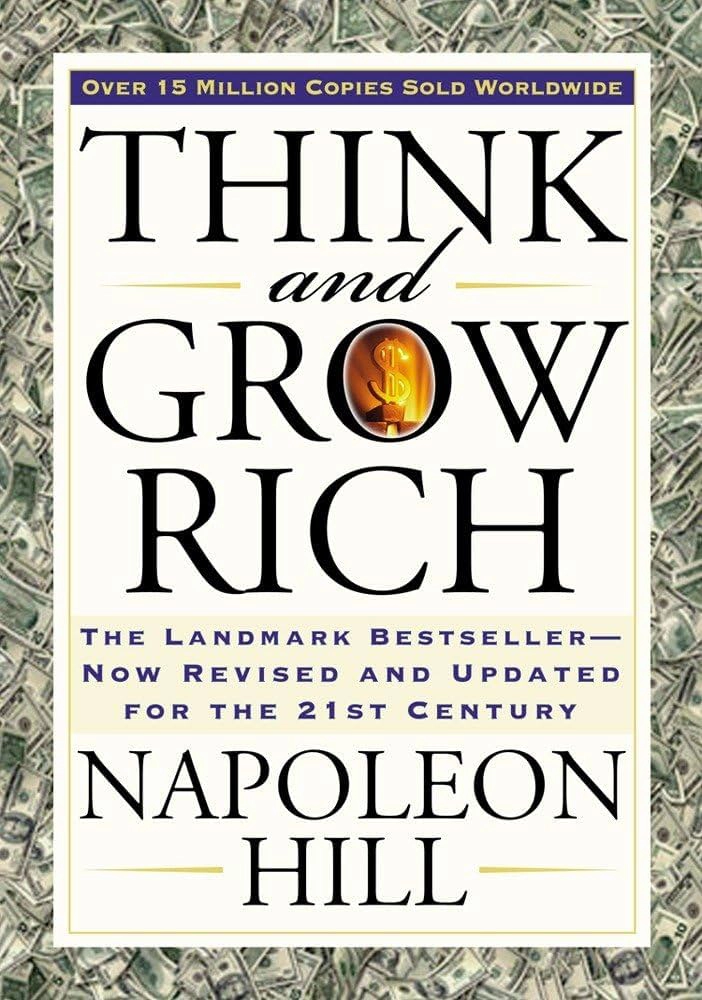
Persistence, desire, and disciplined focus
Napoleon Hill’s Think and Grow Rich revealed the invisible connection between desire, belief, and sustained action. While often associated with financial success, the book’s deeper message is about persistence — the ability to remain emotionally aligned with a decision long after motivation fades.
What stood out most was Hill’s emphasis on clarity of purpose. Desire, when defined and reinforced daily, becomes a stabilizing force rather than a fleeting emotion. This shifted my understanding of goals from temporary inspiration to long-term identity commitments.
The book influenced how I approached goal tracking and repetition. Writing goals daily became a way of reinforcing intention, not pressuring results. Persistence, as Hill describes it, isn’t about pushing harder — it’s about returning to the same inner decision with consistency and faith.
Core lessons:
- Clear desire requires reinforcement, not intensity
- Persistence is sustained alignment, not force
Verdict
This book taught me that consistency outlasts motivation. It reinforced the value of daily goal reinforcement as a way to stay aligned with intention, especially when doubt or fatigue appear.
Secrets of the Millionaire Mind — T. Harv Eker (2005)
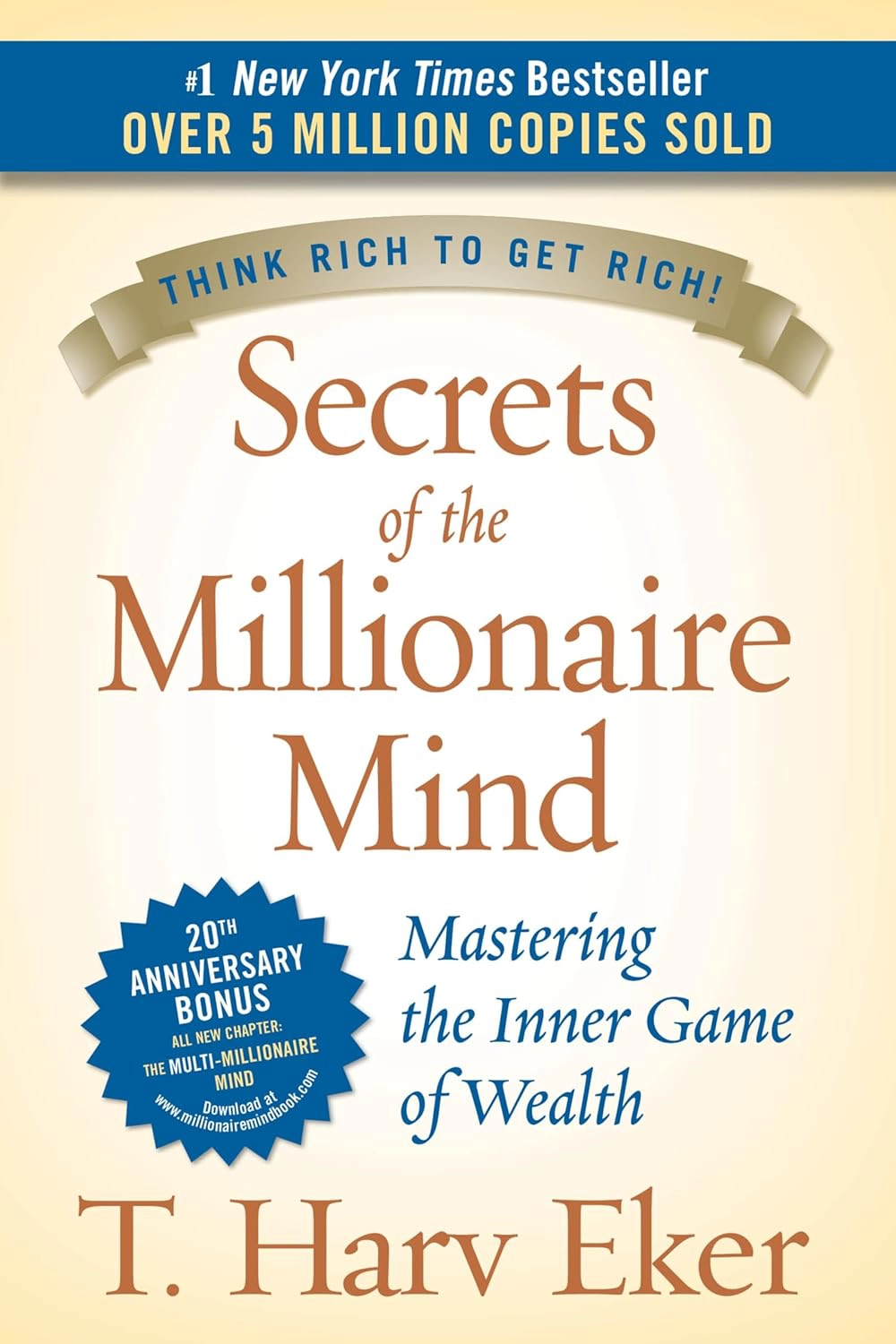
Identity, money mindset, and internal blueprints
T. Harv Eker’s Secrets of the Millionaire Mind expanded my understanding of how deeply identity shapes results. His core idea—that everyone operates from an internal “money blueprint”—made it clear that external success is constrained by internal beliefs, often formed long before we’re aware of them.
What resonated most was Eker’s emphasis on identity over strategy. He argues that without changing the internal blueprint, new tactics or opportunities eventually collapse back to familiar patterns. This reframed success for me as an inside-out process: change the way you see yourself, and behavior follows naturally.
This insight reinforced the role of written reflection in reshaping identity. Writing goals, intentions, and beliefs became a way of updating that internal blueprint deliberately. Instead of reacting to old conditioning, journaling allowed me to pause, observe, and consciously choose new patterns.
Core lessons:
- Financial and personal outcomes reflect internal identity
- Lasting change requires rewriting subconscious beliefs
Verdict
This book clarified that growth is not about chasing success, but about becoming the person who naturally sustains it. It strengthened my commitment to identity-based reflection as the foundation of long-term change.
Atomic Habits — James Clear (2018)
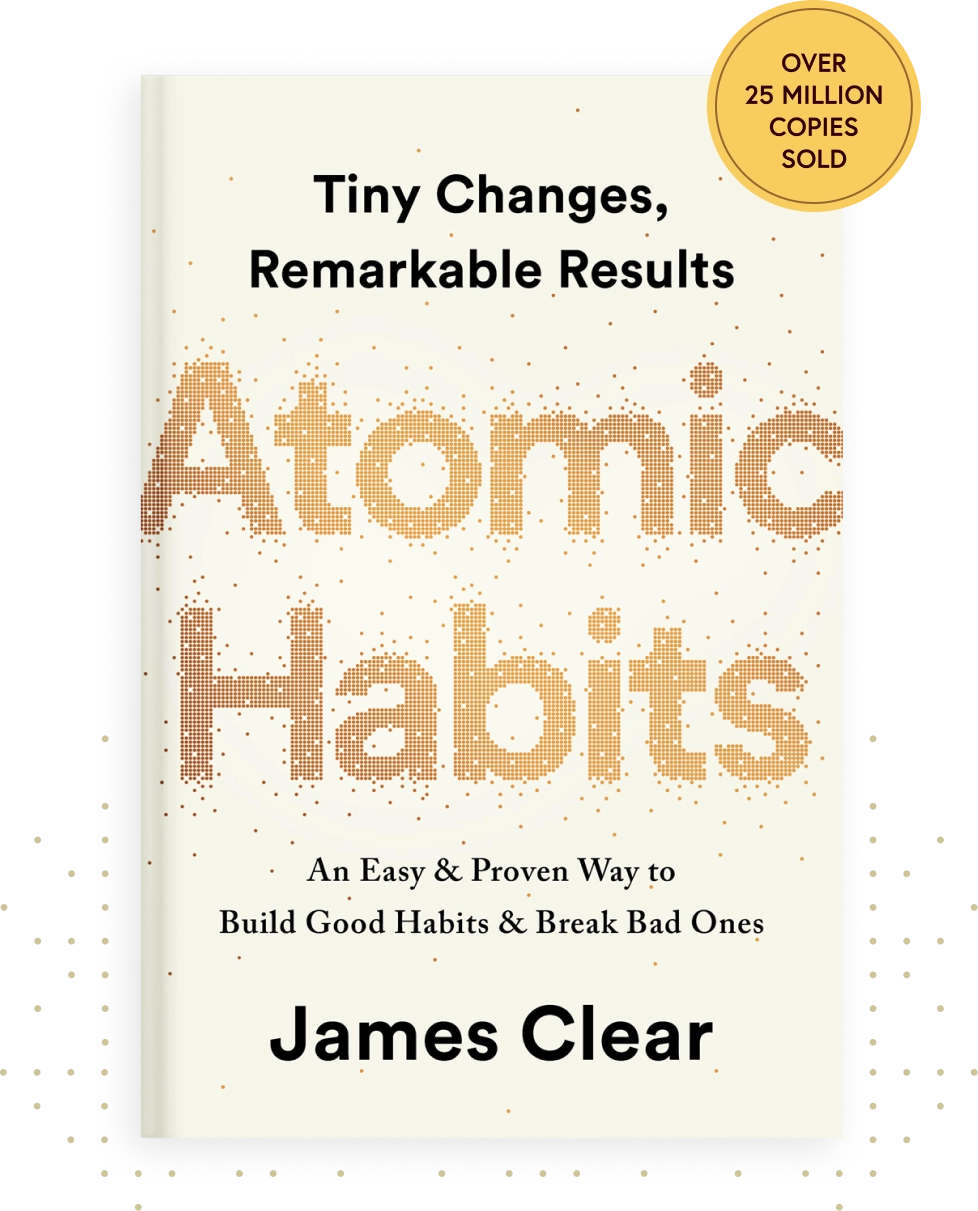
Small actions, identity change, and long-term consistency
James Clear’s Atomic Habits clarified something I had sensed intuitively for years: transformation doesn’t happen through dramatic shifts, but through small, repeated actions that compound over time. His focus on systems rather than goals reframed progress as something built quietly, day by day.
What made this book especially practical was its emphasis on identity-based habits. Clear explains that lasting change occurs when actions reinforce who you believe yourself to be. Habits are not just behaviors; they are votes for the type of person you are becoming. This perspective aligned deeply with how I approached daily journaling.
The structure of the iAmEvolving Journal reflects this philosophy. Daily gratitude, habit tracking, and reflection are not about perfection — they’re about consistency. Each small entry reinforces identity, making growth feel sustainable rather than overwhelming.
Core lessons:
- Small habits compound into significant change over time
- Identity-based habits create lasting transformation
Verdict
This book reinforced the power of consistency over intensity. It validated the idea that daily reflection and small actions, repeated with intention, naturally shape identity and long-term growth.
You² (You Squared) — Price Pritchett
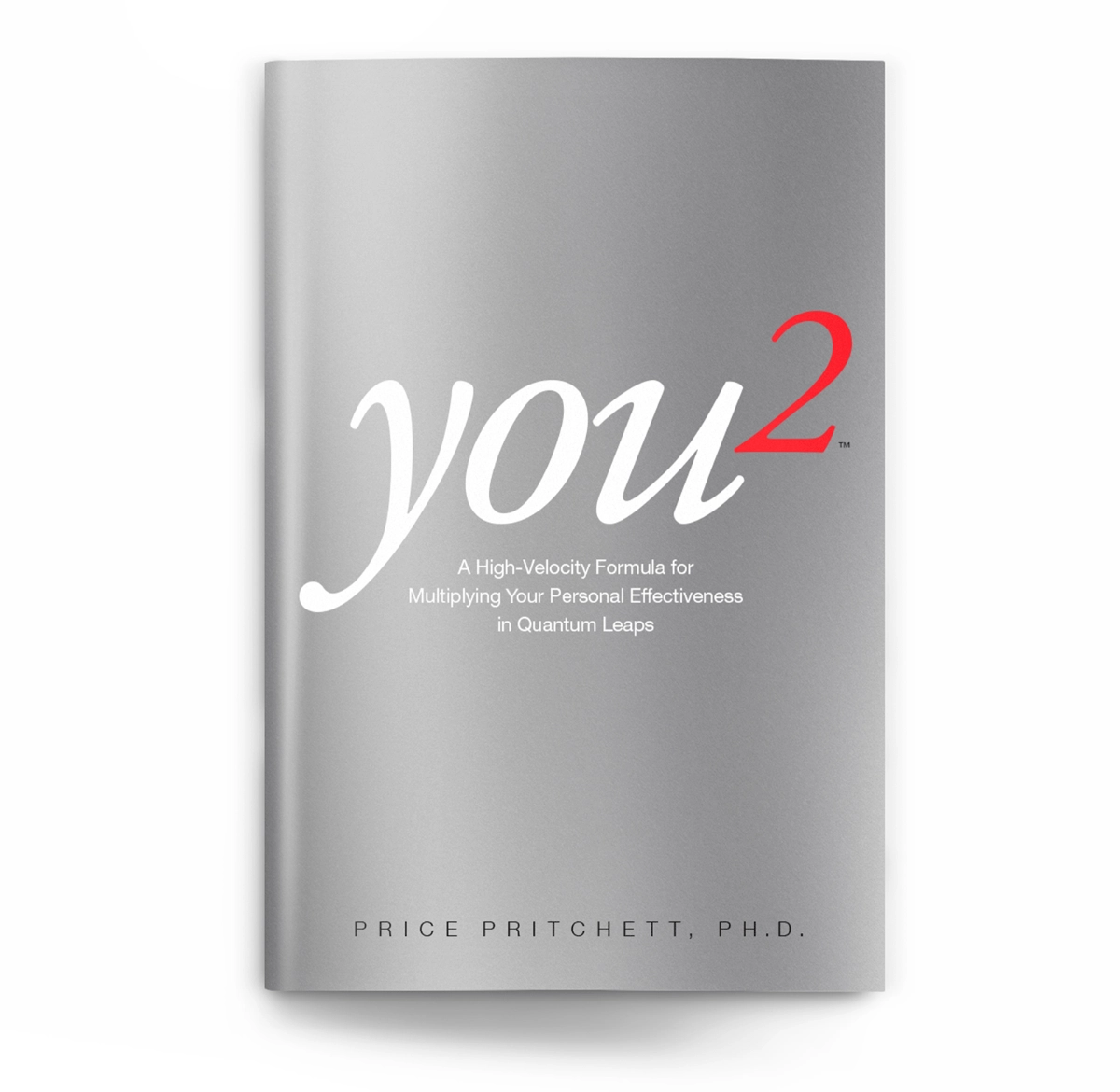
Quantum shifts through perspective and awareness
Price Pritchett’s You² introduced me to the idea that growth doesn’t always happen incrementally. Sometimes, a shift in perception creates a disproportionate leap in results. Rather than focusing on gradual improvement, the book challenges the reader to step outside familiar limits and question assumptions about what is possible.
What made this book impactful was its emphasis on perspective over effort. Pritchett explains that many plateaus exist not because of lack of ability, but because of constrained thinking. When awareness expands, behavior and results can change rapidly — not through force, but through insight.
This perspective reinforced one of the core principles behind iAmEvolving: awareness precedes transformation. Journaling became a space to examine hidden assumptions, recognize self-imposed ceilings, and consciously choose a broader vision of what I could become.
Core lessons:
- Breakthroughs often come from perspective shifts, not added effort
- Awareness can unlock rapid, meaningful change
Verdict
This book taught me that growth doesn’t always require more time or intensity — sometimes it requires a new frame of mind. It reinforced the power of awareness as a catalyst for meaningful transformation.
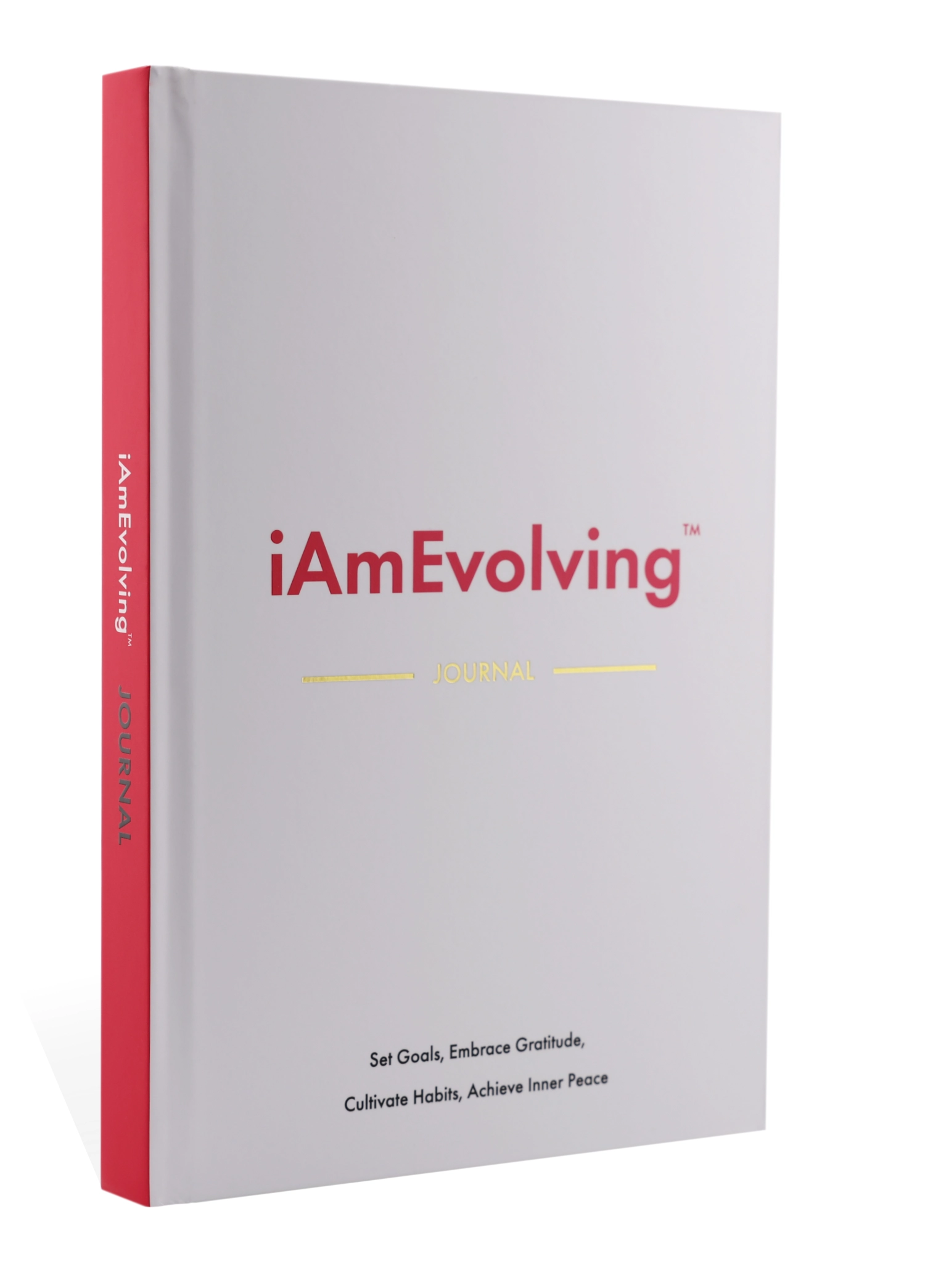
The iAmEvolving™ Journal — Where Wisdom Becomes Daily Practice
Integrating awareness, intention, and consistent reflection
These books planted the ideas, but the iAmEvolving™ Journal became the place where they were lived. Over time, I realized that insight alone isn’t enough — transformation happens when understanding is translated into daily action. The journal was created as a way to bring these philosophies into a grounded, repeatable practice.
Each section of the journal reflects a principle drawn from these teachings: awareness before action, identity over outcome, consistency over intensity, and gratitude as a stabilizing force. Rather than isolating ideas, the journal integrates them — allowing thought, intention, habit, and reflection to work together.
Writing daily became a way of maintaining dialogue with these ideas. Goals stopped being abstract ambitions and became conscious identity statements. Gratitude shifted from appreciation to alignment. Reflection turned into a space for noticing patterns, adjusting course, and evolving deliberately.
The journal doesn’t replace the books — it completes them. It provides the structure needed to apply wisdom gently, consistently, and over time.
Core principles integrated:
- Awareness precedes action and identity
- Consistency shapes character more than motivation
- Gratitude stabilizes focus and perspective
- Reflection turns insight into lived experience
Verdict
The iAmEvolving™ Journal exists to turn philosophy into practice. It bridges insight and action, helping growth become something you live daily rather than something you revisit only when searching for answers.
“To grow is to change; to evolve is to choose that change consciously.”
— Victor Tihai
If any of these books speak to you, start reading — but more importantly, start writing. Let your thoughts shape your path, and let each page become your evolution.
Books can guide us, but the real transformation begins when their wisdom meets your own reflection. Every insight becomes alive the moment you apply it, write it down, and let it shape your perspective. Continue exploring how reflection turns learning into lasting growth in Reflection & Continuous Evolution.
Start your daily practice of gratitude, goals, and growth.
Get the Journal →A gentle 7-day reset to help you slow down, feel steadier, and reconnect — in just 5–10 minutes a day.
Start the ResetA simple introduction to daily journaling — gratitude, goals, and habits made easy.
Learn the MethodWhere should I start if I’m new to personal growth books?
How do these books connect to the iAmEvolving Journal?
Do I need to read all these books?