I AM Affirmations: Transform Your Self-Talk
I AM affirmations are positive statements beginning with “I am” that work at the level of identity — reshaping not just what you do, but who you believe you are. The words you speak to yourself shape who you become, and “I am” carries unique power.
This isn’t wishful thinking or empty positivity. I AM affirmations work because they reprogram the subconscious beliefs that drive your daily choices, emotional responses, and life patterns. Understanding how to use them effectively can shift everything — from your confidence and relationships to your career and inner peace.
What Are I AM Affirmations?
I AM affirmations are positive statements that begin with the words “I am” followed by a quality, state, or identity you want to embody. Unlike goal-based statements (“I will be successful”) or behavior-based ones (“I exercise daily”), I AM affirmations speak to who you are at your core.
Examples include:
- I am worthy of love and respect.
- I am capable of handling whatever comes my way.
- I am becoming the person I want to be.
- I am at peace with my past.
- I am enough, exactly as I am.
The “I am” construction is significant. In many wisdom traditions and psychological frameworks, these two words carry unique weight. They bypass the analytical mind and speak directly to your sense of self. When you repeatedly declare “I am confident,” your subconscious begins organizing your thoughts, feelings, and actions around that identity.
The Science Behind I AM Affirmations
Affirmations aren’t just feel-good exercises. Neuroscience research shows that self-affirmation activates the brain’s reward centers — the same regions that respond to pleasurable experiences. Regular practice can literally change neural pathways through neuroplasticity.
When you repeat an I AM statement, you’re creating new neural connections. The brain doesn’t initially distinguish between what’s “true” and what’s being practiced. Through repetition, the affirmation becomes a familiar thought pattern. Your brain begins seeking evidence to support it, filtering your perception of reality to match your declared identity.
This is why affirmations work best with consistency. A single declaration won’t rewire years of negative self-talk. But daily practice over weeks and months creates lasting change. The reticular activating system — the part of your brain that filters information — begins prioritizing experiences that confirm your new self-image.
Why I AM Affirmations Are Different
Not all affirmations carry equal power. “I am” statements work at a deeper level than other positive self-talk for several reasons:
They address identity, not just behavior. Saying “I am a healthy person” creates a different internal shift than “I should eat better.” Identity-based change is more sustainable because it aligns your actions with who you believe yourself to be.
They speak in present tense. “I am” is immediate. It doesn’t push the desired state into a future that never arrives. This present-tense framing tells your subconscious that the change is happening now.
They’re simple and direct. The two-word opening creates a clear, unambiguous statement. There’s no hedging, no conditions, no “but only if.” This directness makes the message easier for your subconscious to absorb.
Understanding the power of I AM affirmations helps you use them with greater intention and belief.
Get more like this, every week
How to Create Effective I AM Affirmations
The most powerful affirmations are personal, specific, and emotionally resonant. Here’s how to craft ones that work for you:
1. Identify what you want to shift. Start with awareness. What negative beliefs about yourself show up most often? What identity would serve you better? If you constantly think “I’m not good enough,” the counter might be “I am worthy and capable.”
2. Use present tense. Always frame affirmations as current reality. “I am confident” rather than “I will be confident.” Your subconscious responds to what is, not what might be.
3. Keep them positive. Focus on what you are, not what you’re not. “I am calm” works better than “I am not anxious.” The brain processes the core concept regardless of negation — saying “not anxious” still centers anxiety.
4. Make them believable. If an affirmation feels completely false, your mind will reject it. Start with statements you can stretch toward. “I am learning to trust myself” might feel more accessible than “I completely trust myself” — and still moves you forward.
5. Add emotional weight. The best affirmations create feeling, not just thought. “I am deeply loved” carries more power than “I am loved” because it engages your emotional system.
I AM Affirmations for Different Areas of Life
Different challenges call for different affirmations. Here are focused collections for common needs:
For Confidence and Self-Worth
- I am worthy of success and happiness.
- I am confident in my abilities.
- I am valuable, and my contributions matter.
- I am proud of who I am becoming.
- I am deserving of good things.
For deeper work on confidence, explore I AM affirmations for confidence, gratitude, and growth.
For Healing and Inner Peace
- I am healing at my own pace.
- I am releasing what no longer serves me.
- I am at peace with my journey.
- I am whole, even as I continue to grow.
- I am gentle with myself through difficult times.
When emotional healing is your focus, I AM affirmations for healing and inner peace offer targeted support.
For Success and Abundance
- I am capable of achieving my goals.
- I am open to abundance in all forms.
- I am a powerful creator of my life.
- I am attracting opportunities aligned with my purpose.
- I am worthy of financial freedom.
For career and financial growth, see I AM affirmations for abundance and success.
For Self-Love and Inner Strength
- I am worthy of my own love and compassion.
- I am strong enough to face my challenges.
- I am resilient and capable of recovery.
- I am my own greatest ally.
- I am learning to love myself unconditionally.
How to Practice I AM Affirmations Daily
Consistency transforms affirmations from words into lived reality. Here’s how to build a sustainable practice:
Morning activation. Start your day with 3-5 I AM statements. Say them aloud while looking in a mirror if possible — this adds visual reinforcement. Morning practice sets the tone for how you’ll show up throughout the day. Pairing affirmations with your morning journaling routine creates a powerful start.
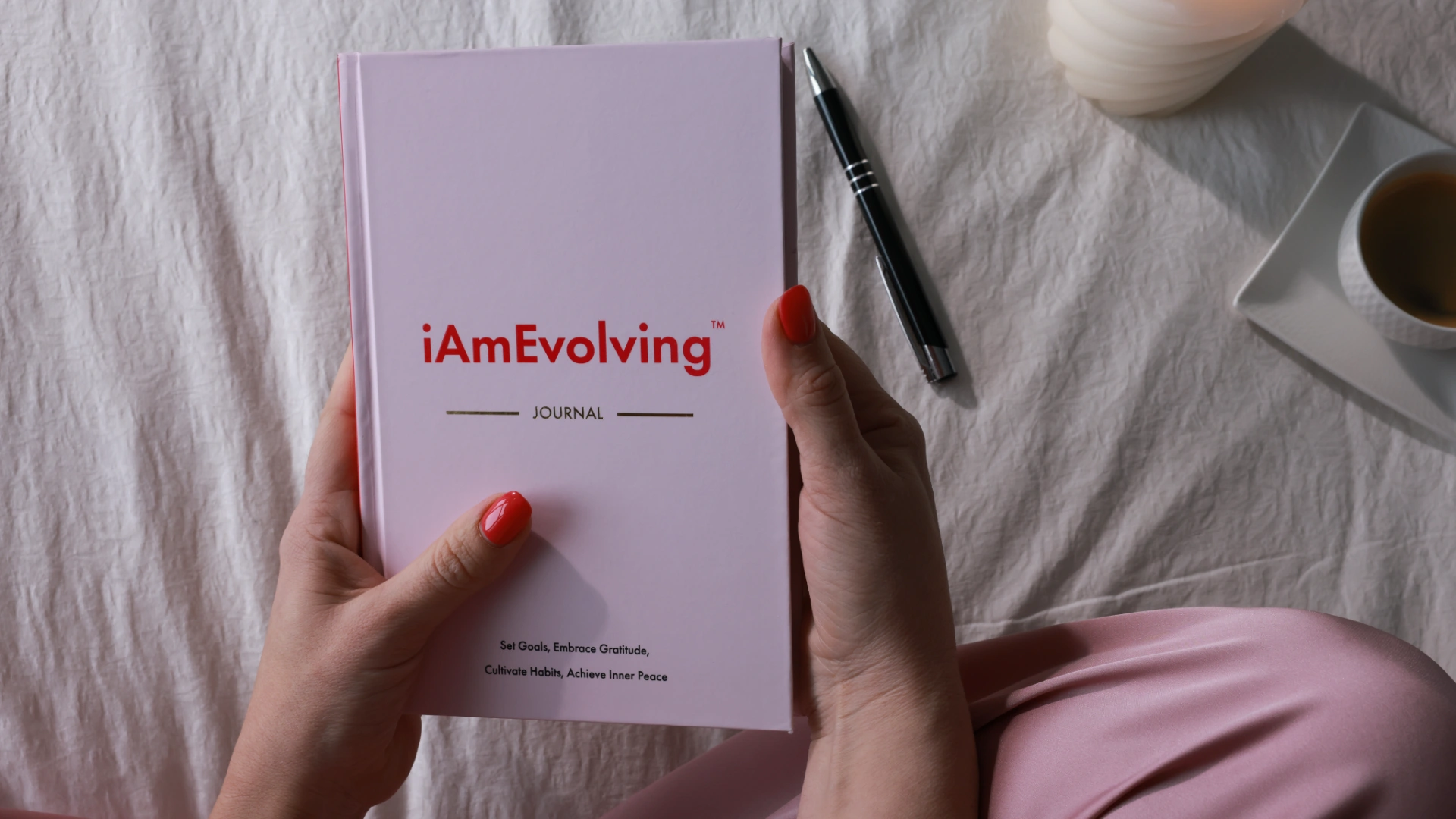
Written repetition. Write your affirmations by hand in a journal. The physical act of writing engages different neural pathways than speaking or thinking. Many people find that writing the same affirmation 5-10 times deepens its impact.
Midday reset. When stress or self-doubt surfaces, pause for a single affirmation. This interrupts negative thought spirals and redirects your mental energy. Even a quick “I am capable of handling this” can shift your state.
Evening integration. Before sleep, repeat your core affirmations. The subconscious mind is particularly receptive as you drift toward sleep. These final thoughts influence overnight processing and how you wake feeling.
Common Mistakes to Avoid
Affirmations fail when they’re used mechanically or without understanding. Here’s what undermines the practice:
Reciting without feeling. Mumbling affirmations while scrolling your phone won’t create change. Engage emotionally. Feel the words as you say them.
Choosing affirmations that feel like lies. If “I am wealthy” triggers internal resistance because you’re struggling financially, it may backfire. Choose statements you can grow into, not ones that feel absurd.
Expecting instant results. Affirmations work through repetition over time. Giving up after a week because you don’t feel different misunderstands how neural rewiring happens.
Using too many affirmations. Quality matters more than quantity. Three affirmations practiced deeply will outperform thirty recited mindlessly. Focus on the ones that matter most.
Skipping on hard days. The days you least feel like practicing are often when affirmations matter most. Consistency through difficulty builds the strongest neural pathways.
Combining I AM Affirmations with Other Practices
Affirmations become more powerful when integrated into a broader personal development practice:
Journaling. Write your affirmations as part of daily reflection. Explore what they bring up — resistance, hope, doubt, clarity. This deeper engagement accelerates transformation.
Visualization. As you speak an affirmation, visualize yourself embodying it. See yourself acting, feeling, and being the person described. Visualization combined with affirmation creates a powerful one-two practice.
Meditation. Use affirmations as a focus during meditation. Repeat a single statement slowly, letting it fill your awareness. This trains deep concentration while embedding the message.
Goal setting. Align your affirmations with your goals. If you’re working toward a promotion, include identity statements like “I am a leader” or “I am someone who creates value.” This bridges daily practice with longer-term aspirations.
Your I AM Identity Starts Now
The person you become tomorrow depends on the identity you claim today. I AM affirmations give you the power to consciously shape that identity — to choose the beliefs, qualities, and self-image that will guide your life.
Start with one affirmation that speaks to your deepest need right now. Say it with intention. Write it in your journal. Return to it throughout the day. Let it become familiar, then let it become true.
You are not fixed. You are not your past. You are whoever you decide to become — and that decision begins with two simple words: I am.
Start your daily practice of gratitude, goals, and growth.
Get the Journal →A gentle 7-day reset to help you slow down, feel steadier, and reconnect — in just 5–10 minutes a day.
Start the ResetA simple introduction to daily journaling — gratitude, goals, and habits made easy.
Learn the MethodFAQ: I AM Affirmations
How long does it take for I AM affirmations to work?
Can I AM affirmations help with anxiety?
Should I say affirmations out loud or silently?
What if I don’t believe my affirmations?