Journals for Mindfulness Retreats: Why They Belong in Every Wellness Program

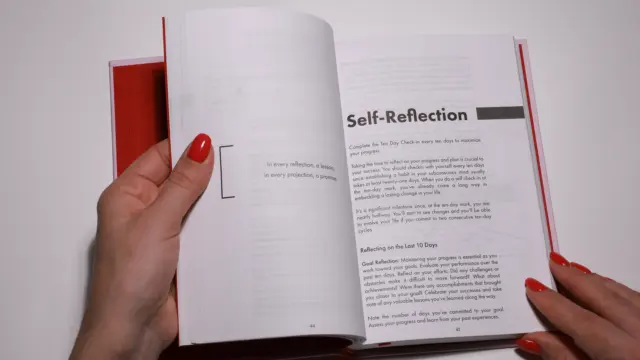
Journals for mindfulness retreats are one of the few tools that consistently turn a beautiful weekend into a lasting practice. Most retreats produce a state, a few quiet days that feel important and then fade. A well-chosen retreat journal turns the state into something portable. It carries the silence, the clarity, and the small decisions back into the noise of regular life, where mindfulness either takes root or slowly dissolves. The journal is the bridge.
This guide is for retreat organizers, facilitators, and serious practitioners thinking carefully about how journals integrate into a mindfulness retreat. It is a practical look, rather than a buying guide, at what journals do during a retreat, when to use them, what to avoid, and how to choose the right format for the specific kind of work the retreat is holding. If you’ve ever ended a retreat with a tear-stained notebook full of realizations you never opened again, the issue was probably the format, not the practice.
Why Journals Belong in Mindfulness Retreats (And When They Don’t)
The case for journaling at a mindfulness retreat is structural, not sentimental. Silence and stillness surface a lot of material, and material that goes unprocessed tends to dissipate within 72 hours of returning home. A journal extends the integration window. It also externalizes thoughts that would otherwise loop endlessly inside the mind, which is the exact opposite of what a retreat is trying to create. Used well, a retreat journal slows the mind. Used poorly, it amplifies it.
That last point matters. There are moments in a retreat when journaling is the wrong move. During a deep silent sit, immediately after a strong emotional release, or in the first hour of arrival, the journal becomes another way to grip an experience that needs to be allowed instead. The skill of integrating journals for mindfulness retreats is partly choosing when, not just how. A daily morning journaling routine can model the timing.
What Makes a Good Journal for a Mindfulness Retreat
The physical qualities matter more than people think. A retreat journal is going to be opened on a meditation cushion, on a yoga mat, at a forest bench, in dim hall lighting at 5am. The features that determine whether it gets used are functional ones, more than aesthetic ones.
- Lay-flat binding. Hardcover journals with tight spines fail in retreat settings. The journal needs to open and stay open on uneven surfaces without being held down. Sewn or thread-bound spines work. Spiral can work but tends to feel cheap.
- Soft, matte cover. Glossy covers reflect candlelight and feel formal. Matte covers slip into a retreat bag without becoming a statement. The journal should disappear into the practice, not announce it.
- Paper weight above 100gsm. A fountain pen or gel ink in a quiet hall is what most retreat participants write with. Cheap paper bleeds through and breaks the silence with frustration.
- Minimal pre-printed structure. Retreats produce non-linear writing. Heavy templates with seven prompts per page disrupt the natural rhythm of integration. Dotted or blank pages give the practitioner room. Light structure, like a date and a wide margin, is plenty.
- Sized for travel. A6 to A5. Anything larger fights with a retreat bag. Anything smaller restricts the writing.
The right journal is one a participant will reach for without thinking about it. The wrong one becomes another object to manage, which is exactly the load a retreat is trying to lift.
Three Phases of Retreat Journaling (And When Each One Lands)
A useful retreat journal practice has three distinct phases, mapped to the natural arc of most retreats. Conflating them is the most common reason retreat journals don’t work.
- Day 1, evening: arrival journaling. One page. The single question: “What did I bring with me?” Concerns, resentments, hopes, exhaustion. Naming what you arrived carrying is the start of being able to put it down. This isn’t analysis. It’s an inventory.
- Mid-retreat: surface integration. Two to three short entries a day, each around five minutes. The cue is noticing, rather than the clock. When something rises during a sit and won’t dissolve, write one paragraph about it and return to practice. The journal becomes a way of releasing material, not collecting it.
- Final morning: bridging. The longest entry of the retreat, maybe twenty minutes. Three questions: “What did I notice that surprised me? What small thing do I want to carry home? What old pattern am I asking to leave behind?” This is the entry retreat participants return to weeks later. Everything else fades.
The middle phase tends to be the most misunderstood. New retreatants either over-journal in the middle (writing essays after every sit) or under-journal (taking the silence so seriously they skip the integration). The cue of “write only when something needs releasing” calibrates this naturally for most people.
Get the retreat-journaling template
How Retreat Organizers Can Integrate Journals Into a Program
If you run mindfulness retreats, integrating journals is rarely a matter of “and then we’ll add journaling.” Integration is a design choice that affects schedule, materials, and facilitator language. Three principles consistently work.
- Provide the journals. Don’t ask participants to bring one. The format matters too much to leave to chance, and the act of being given a journal at check-in signals that integration is part of the program, not an afterthought. iAmEvolving offers bulk and custom options for retreat programs, including covers branded for the retreat or the facilitator.
- Name the silent windows. Tell participants when journaling is invited and when silence-only is the practice. Without this, half the participants will journal through silent sits because no one told them not to.
- End with a journaling-led bridge session. Twenty minutes on the final morning, guided by three questions, in shared silence. This single addition raises retreat-effect retention measurably in the weeks following the program.
If you’re looking at the best mindfulness journals for individual use, the criteria overlap but aren’t identical. Retreat use prioritizes durability and flexibility. Personal daily use prioritizes structure and habit cues.
What Participants Actually Carry Home
A small confession from running and attending retreats: most participants don’t read their retreat journal again. They write it because they need to, then they put it on a shelf. This isn’t a failure. The writing itself was the integration. The page held what couldn’t be held in the mind at that moment, and the practice of writing it transferred something the rereading couldn’t.
The exception is the final-morning bridging page. That one tends to get reread. Often weeks later, when the noise of regular life has returned and a small voice asks, “what was it I knew, briefly, on the last morning?” That page answers. Designing a retreat program with this in mind, that the bridging page is the artifact, simplifies a lot of decisions about journal format and facilitation.
Bulk and Custom Options for Retreat Programs
iAmEvolving works with retreat organizers to provide journals tailored to the format and length of a specific program. The standard option is a soft-cover, thread-bound, 100gsm dotted journal sized for travel, with light pre-printed structure (date, dotted body, wide margin) suitable for the three-phase practice described above. Custom covers and pre-printed facilitator introductions are available for retreats over a minimum participant count. Contact through the site for current options and lead times.
The journal you choose for your participants will be opened more often than almost any other retreat material. It outlives the schedule, the welcome packet, the meal cards. Treat the choice as a small but real design decision. A practitioner returning home with a well-chosen retreat journal is more likely to keep the practice alive than one returning with the right insight but the wrong notebook.
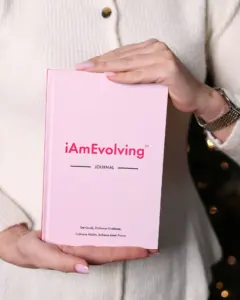
Start your daily practice of gratitude, goals, and growth.
Get the Journal →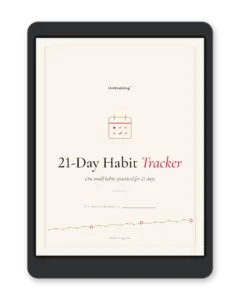
A free 21-day habit tracker PDF with daily check-ins, guided reflection prompts, and mindset reminders. Clean, minimal, and printable.
ExploreFrequently Asked Questions
What are journals for mindfulness retreats specifically designed for?
How is a retreat journal different from a regular mindfulness journal?
Should retreat organizers provide journals or ask participants to bring them?
When during a retreat should participants journal?
Does iAmEvolving offer custom journals for mindfulness retreats?