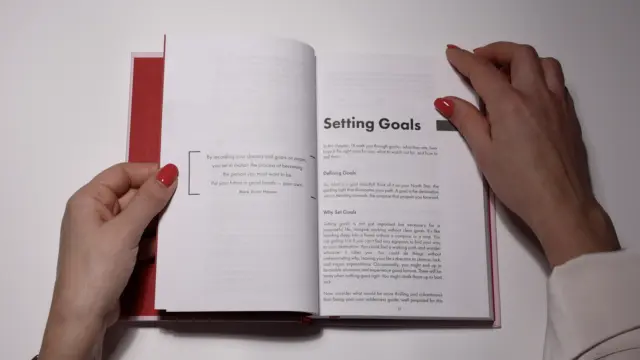
The Ultimate Guide to Goal Setting

Goal setting is not complicated. What makes it difficult is the way people approach it. They choose goals from pressure, emotion, or comparison, and then wonder why nothing changes. When I speak about goal setting, I speak from experience—years of building, failing, rebuilding, and learning what actually works.
A real goal gives your mind direction. It pulls you forward. It sharpens your focus and raises your energy. When you set the right goal, you feel it immediately. Your body responds. Your mind wakes up. That’s how you know you’re aligned.
In this guide, I’ll show you how to set goals the right way—simply, clearly, and with intention. No fluff. No complicated systems. Just structure, daily discipline, and emotional alignment. This is the same approach I’ve used to build my life, my business, and the mindset that has carried me through every challenge.
If you’re ready to stop guessing and start leading yourself with clarity, let’s begin.
What Goal Setting Really Means
When I teach goal setting, I don’t start with systems or checklists. I start with clarity. A goal is not something you hope will happen. A goal is a direction you commit to becoming. It’s the inner decision that shapes your day, your actions, and your energy. When you understand this, goal setting stops feeling overwhelming and starts feeling like alignment.
Some people set goals from pressure, emotion, or comparison. They pick something because they think they “should,” not because it actually resonates with who they want to become. If you’ve ever felt disconnected from your goals or unsure what direction to choose, explore Goal Setting Fundamentals — it’s a clear starting point to understand how to set goals that actually matter.
A real goal sharpens your focus. It gives your mind something to work toward, something to filter your decisions through. You can feel the shift when a goal is aligned. Your energy rises. You become more intentional with your days. If you want to see how daily structure supports this clarity, explore my post on setting intentions through daily rituals — this will show you how to build the internal environment that supports strong goals.
And if you’ve ever wondered why some goals feel powerful while others fall flat, it’s usually because the emotional energy behind them is different. I explain this idea deeply in the energy behind your goals, where I break down how intention shapes your results more than effort alone.
When you understand what a goal truly is — a direction, an emotional commitment, and a new identity — you stop chasing goals and start becoming someone who achieves them.
Why Most People Fail at Goal Setting
Most goals fail long before a person ever begins working toward them. The problem isn’t a lack of desire or ambition. The problem is misalignment. People set goals they don’t truly believe in, goals that aren’t connected to who they want to become, or goals chosen out of fear and pressure. When the energy behind a goal is wrong, the result is predictable: inconsistency, frustration, and self-doubt.
When I coach people through this, I often see the same pattern. They expect rapid progress, and when results don’t show up immediately, they lose faith. This is why I always recommend reading Trust the Process. It will help you understand why goals take time to unfold and why patience is part of the journey, not a delay.
Another reason goals fail is because people rely on motivation instead of structure. Motivation fades. Structure doesn’t. If you struggle to stay committed, you’ll benefit from my guide on staying consistent with your goals. Consistency is built, not found. Once you master it, every goal becomes attainable.
Failure is rarely about the goal itself. It is almost always about how you think, how you show up daily, and how you respond when the path gets difficult. When you correct these elements, your goals stop collapsing—and start becoming inevitable.
How to Choose the Right Goal
The right goal is never chosen with logic alone. It begins with honesty. You must ask yourself what you truly want, not what sounds impressive, not what others expect, and not what you think you “should” pursue. A goal that comes from pressure will drain you. A goal that comes from alignment will energize you.
If you find yourself setting goals that feel forced or unclear, start by reconnecting with your intention. My guide on mindful planning and alignment will help you understand the deeper connection between your inner state and the goals you choose. When your mind and emotions agree, your goals stop feeling heavy.
And if you’re seeking a deeper emotional connection with your goals, explore the difference between logic-driven goals and goals that speak to your heart in SMART goals vs heartfelt goals. Understanding this distinction helps you choose goals that actually last.
The right goal doesn’t force you to change who you are. It reveals who you’re becoming.
Get more like this, every week
How to Write Goals That Actually Work
A goal becomes powerful the moment you write it with intention. Not casually. Not occasionally. Daily. This is where most people fall apart—they write a goal once, feel inspired for a few days, and then lose the emotional connection that gives the goal its strength.
Your mind responds to repetition. When you write your goal every day, in the present tense, as if it is already unfolding, you train your subconscious to see it as your new identity.
The way you write your goal matters just as much as the words you choose. If you write from fear, doubt, or avoidance, you reinforce the wrong emotions. Write from clarity, faith, and intention. For a deeper understanding of how this emotional alignment works, explore what to do when a goal isn’t manifesting. It will help you reconnect with your goal when you begin to lose energy or direction.
The key is simple: write your goals the way you want to live. With intention, with clarity, and with the belief that you are becoming the person who achieves them.
How to Turn Your Goal Into Daily Action
A goal becomes real only when it reaches your daily life. Writing it down gives it direction, but your actions give it movement. This is where most people hesitate—they want the result, but they don’t build the simple daily structure that makes the result inevitable. Consistency is not about doing more; it’s about repeating what matters.
The easiest way to move a goal forward is to break it into daily actions that are small enough to complete, yet meaningful enough to create momentum. If you’re unsure how to translate a big goal into something you can act on today, read my guide on turning big goals into daily actions. It will help you create a rhythm that supports progress without burnout.
Daily action does not need to be dramatic. It just needs to be consistent. When you show up every day, even for five minutes, you are reinforcing your identity. You are telling your mind, “This is who I am now.” Over time, this identity shift becomes stronger than any motivation or resistance.
The secret is simple: reduce the distance between your goal and your day. When your goal becomes part of how you live—not something you think about occasionally—it begins to unfold naturally.
How to Stay Emotionally Aligned With Your Goal
Every goal carries an emotional frequency behind it. If that emotion is scattered, weak, or conflicted, the goal loses momentum. This is why some days you feel inspired and other days disconnected. The goal hasn’t changed — your inner state has. To achieve anything meaningful, you must learn to manage the energy you bring to your goal.
Emotional alignment is not about feeling motivated every day. It’s about staying connected to why the goal matters. When your actions come from clarity, intention, and belief, your progress becomes steady. When your actions come from pressure or fear, resistance appears immediately. If you want to understand the deeper energetic structure behind goals, read the energy behind your goals. It explains why the iAmEvolving Journal uses a line and a star — a visual anchor that helps you reconnect with your goal’s emotional frequency.
The simplest way to stay aligned is to check in with yourself daily. Ask: “How do I feel about my goal today?” If the answer is low or stressed, pause before you act. Reconnect. You can use journaling, gratitude, visualization, or even a quiet moment of stillness to bring yourself back into alignment. Your outer progress will always mirror your inner state.
And when life pulls you off track — which it will — don’t judge yourself. Redirect yourself. A goal isn’t achieved through perfection. It’s achieved through gentle, consistent realignment. Once you master this, you stop chasing your goals and start growing into them.
The Power of Visualization
Before a goal becomes physical, it becomes familiar in your mind. Visualization is not fantasy, and it’s not wishful thinking. It is mental rehearsal. When you visualize your goal clearly and repeatedly, you train your mind to recognize opportunities, build confidence, and take action with less resistance.
Most people think visualization is about seeing the final result. It’s not. It’s about stepping into the identity of the person who has already achieved the goal. When you practice this daily — even for a few minutes — your thoughts, decisions, and habits begin to shift. You start acting like someone who is already aligned with the outcome.
If you want to go deeper into this practice, explore my detailed guide on the power of visualization. It will help you understand how visualization shapes your mindset, your emotions, and the actions you take each day.
Visualization becomes even more powerful when paired with writing your goals in the present tense. Your mind responds to repetition and emotion. When you write your goal and then visualize it, you’re reinforcing the same direction from two angles: intellectually and emotionally. The more you repeat it, the more natural it becomes.
You don’t need vivid imagery or cinematic clarity. You just need to feel the state of already having achieved what you’re working toward. Calm. Certain. Grounded. When you consistently enter that emotional state, the gap between who you are and who you’re becoming begins to close.
How Identity Shapes Your Goals
Every goal you set is filtered through your identity — the way you see yourself, your beliefs about what is possible, and the standards you hold. You can set a big goal, but if your identity is still tied to who you used to be, you will unconsciously resist the actions required to achieve it. This is why so many people feel stuck. The conflict isn’t between the goal and the action. It’s between the goal and the identity.
Identity is built through repetition. Each time you show up for your goal — even in a small way — you strengthen the belief that you are becoming the person who can achieve it. When you avoid your goal, even unintentionally, you reinforce the identity that keeps you where you are. Your results will always match the identity you practice most often.
This is why daily journaling, visualization, and small consistent actions are so powerful. They shift your inner state first. They allow you to step into your future identity little by little, until the new version of you becomes familiar. Your habits, decisions, and confidence begin to rise to match that identity. Achieving the goal becomes a natural outcome, not a fight.
If you want your life to change, start by changing how you see yourself. A goal is simply a direction. Identity is the engine that carries you there.
Building Momentum Over Time
Momentum is the quiet force that makes a goal feel lighter the longer you stay committed to it. In the beginning, every action feels intentional and effortful. But once you establish rhythm, your actions begin to flow. You stop negotiating with yourself. You stop overthinking. You simply move. This is the point where progress accelerates.
Momentum isn’t built through massive effort. It’s built through repeated simplicity. A five-minute action done daily creates more transformation than a two-hour burst done once a month. When you show up consistently, even in small ways, you send a clear message to your mind: “This matters. This is who I am becoming.”
The greatest threat to momentum is not failure — it’s stopping. When life gets busy or uncomfortable, most people pause their goals and wait to “restart when things calm down.” But things rarely calm down. Instead, build the habit of continuing, even at a reduced pace. Five percent effort maintains momentum. Zero percent resets it.
Over time, your goal will feel less like an ambition and more like a natural part of your life. That’s the moment momentum takes over. At that point, you’re no longer pushing the goal forward. The goal is pulling you.
Overcoming Doubt and Resistance
Doubt will appear every time you pursue a goal that stretches you. It’s normal. It doesn’t mean the goal is wrong — it means your old identity is trying to hold its ground. Resistance is simply the mind’s attempt to stay in what is familiar, even if the familiar is not where you want to remain.
When doubt shows up, most people interpret it as a sign to stop. In reality, it is a sign to stay. Doubt is a threshold. It marks the point where your mind is being asked to evolve. If you walk away from your goal every time you feel resistance, you strengthen the very identity that keeps you stuck.
The key is not to fight your doubt but to observe it and move anyway. One small action taken while you feel uncertain has more power than ten actions taken when you feel confident. It teaches your mind that progress does not depend on emotion — it depends on commitment.
And when resistance grows stronger, return to your tools: journaling, visualization, gratitude, and emotional alignment. These practices are not accessories; they are the anchors that keep you centered when your mind wants to pull you backward. Use them. Let them support you. Doubt fades when action continues.
Creating a Long-Term Goal Strategy
A goal is not just something you achieve; it is something you grow into. Long-term success requires a strategy that extends beyond inspiration and motivation. It requires structure, clarity, and a steady rhythm you can return to regardless of how life unfolds around you.
The most effective long-term strategy is simple: stay connected to your vision, track your progress, and adjust your approach without abandoning your commitment. Review your goals regularly. Refresh the emotion behind them. Strengthen the habits that support them. This keeps your direction clear, even when the path feels slow.
Remember that a long-term plan is not rigid. It evolves with you. As you shift, your priorities shift, and the way you pursue your goal shifts too. What matters is that the direction remains the same, even if the steps change. Flexibility keeps you adaptable. Commitment keeps you aligned.
When you combine clarity, emotional alignment, daily action, and long-term perspective, your goals stop being distant outcomes. They become a natural continuation of who you are becoming. This is how you build a life intentionally — one aligned decision at a time.
Conclusion: Your Future Is Built One Aligned Day at a Time
Goal setting is not a race. It is an evolution. You don’t transform your life by pushing harder — you transform it by becoming clearer, more intentional, and more aligned with the person you want to be. When you write your goals daily, visualize your future, track your habits, and stay connected to your “why,” the path forward becomes unmistakably clear.
Your goal is not just something you achieve; it is something you grow into. Every small action, every moment of alignment, every decision to keep going — they compound. They reshape your identity and raise your standards until the life you once imagined becomes the life you naturally live.
You already have the tools. You have the vision. And you have the ability to begin today. Start with intention. Stay consistent. Trust the process. The future you want is built one aligned day at a time.
If you want a system that keeps you focused, grounded, and accountable throughout this entire journey, the iAmEvolving Journal gives you the structure your goals deserve. Use it daily — and let it support your evolution.
Start your daily practice of gratitude, goals, and growth.
Get the Journal →A gentle 7-day reset to help you slow down, feel steadier, and reconnect — in just 5–10 minutes a day.
Start the ResetA simple introduction to daily journaling — gratitude, goals, and habits made easy.
Learn the MethodTo go deeper into the essentials of goal setting, visit Goal Setting Fundamentals. It’s your foundation for learning how to set goals that truly matter and stay aligned with your purpose every day.
How do I know if I’ve chosen the right goal?
Should I write my goals every day?
What do I do if my goal isn’t manifesting?
How many goals should I focus on at once?
How do I stay motivated over the long term?