New Year Journaling Rituals to Set Intentions for 2026
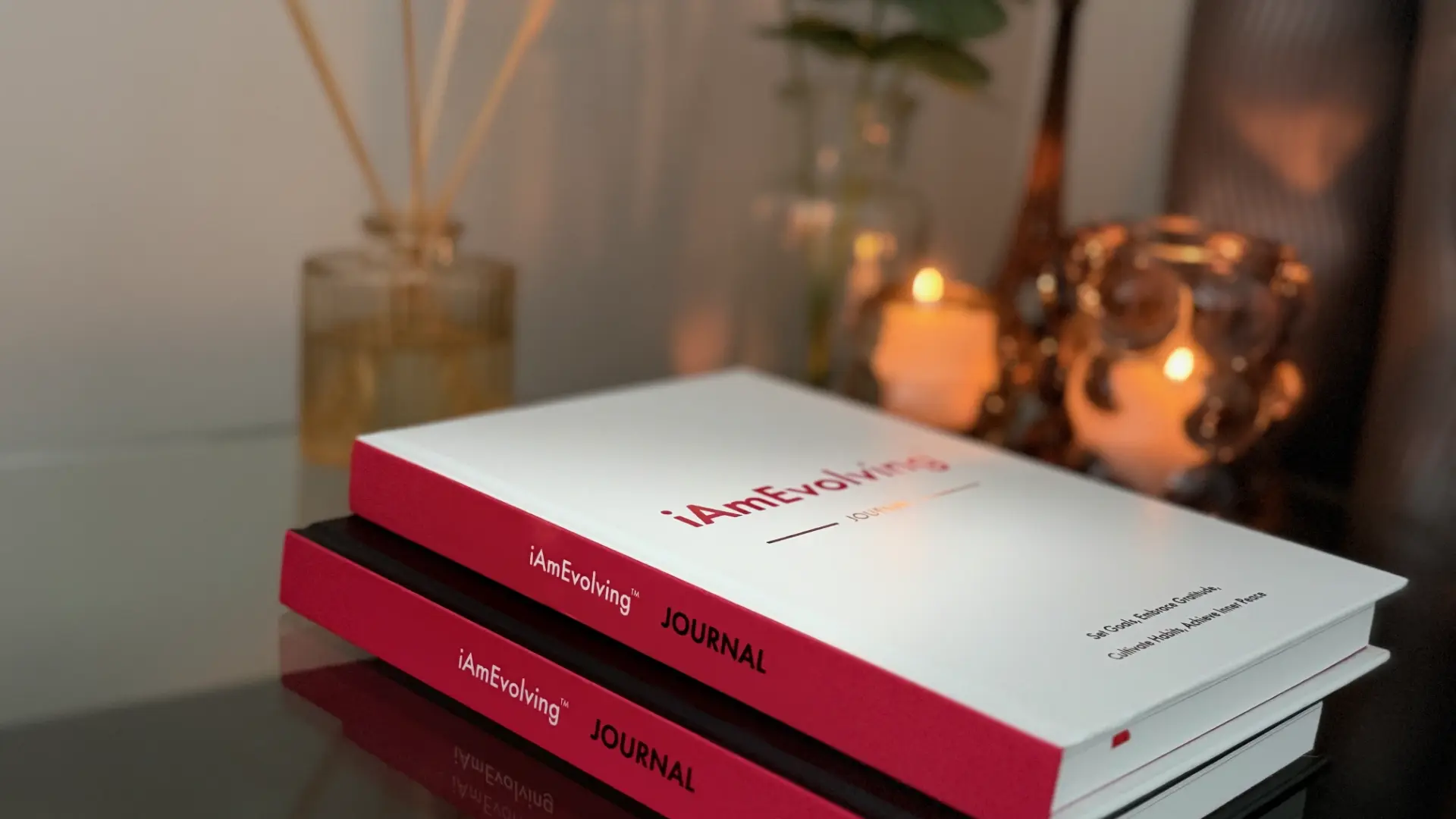
A new year isn’t about fixing who you were; it’s about consciously evolving into who you’re becoming. When you replace resolutions with intentions, pressure turns into presence and goals become guided rather than forced. Journaling gives those intentions a home: a quiet place where thoughts turn into focus and clarity. Learn more about how to set goals that matter with Goal Setting Journal.
Instead of striving to reinvent yourself overnight, begin the year by slowing down. Use your journal as a companion for reflection, alignment, and steady growth. Each line you write becomes a bridge between your past lessons and future potential.
If you want a complete structure for setting clear intentions and turning them into aligned goals for the year ahead, read my full guide on goal setting. It will help you strengthen the intentions you write at the start of the year and carry them with clarity into your daily actions.
1. Create Space Before You Begin
Every good ritual begins with preparation. Before you open your journal, clear your space, both physically and mentally. Tidy the surface where you’ll write, light a candle, and silence notifications. These small actions signal to your mind that you are about to do something intentional.
Ask yourself: “What do I need to release before welcoming 2026?” The answer might be a worry, a habit, or just the rush of the previous year. Let that exhale create room for new clarity.
2. Reflect on the Year That Ended
Before setting new intentions, look back with gratitude. Reflection is a grounding practice. It allows you to understand where you are by acknowledging where you’ve been. Open your iAmEvolving™ Journal and turn to the pages on gratitude or inner harmony as easy starting points.
Prompts
- What experiences strengthened me most in 2026?
- Which lessons do I want to carry forward?
- Where did I find unexpected joy or peace?
As you write, keep the tone forgiving and appreciative. Reflection means understanding the patterns that shaped you, without judgment. Gratitude for both ease and challenge prepares the emotional ground for new beginnings. Deepen your gratitude practice with Gratitude Journal Benefits: a guide to turning appreciation into daily strength.
3. Define Your Core Feeling for 2026
Rather than listing goals, ask how you want to feel each day. When your feelings guide your goals, direction becomes natural. Choose one core emotion that captures your desired energy for the new year (maybe calm, focus, joy, or courage) and build from there.
Prompts
- How do I want to feel when I wake each morning?
- What does alignment look like in daily life?
- Which habits or thoughts will help me stay there?
Write in the present tense: “I am calm and clear as I move through each day.” The subconscious mind responds to certainty. The more vividly you describe that feeling, the faster your actions align with it. You can build deeper awareness and balance with Journaling for Emotional Clarity.
Get more like this, every week
4. Write Your Intentions as Declarations
Intentions are truths you choose to live by. Open your journal and write three to five clear statements that express what you are inviting into your life. Keep them concise and emotionally charged.
Examples:
- I am creating space for calm and clarity.
- I am nurturing consistency through gratitude.
- I trust that each step I take moves me toward purpose.
Once written, read them aloud each morning for the first ten days of January. The repetition builds belief, turning your written words into lived experience. Learn to express clear, honest statements in Writing Down Your Intentions.
5. Pair Intentions with Affirmations
Intentions set your direction; affirmations sustain your motivation. Together they create both structure and spirit. For each intention, write an affirmation that mirrors its emotional energy.
Example pairing
- Intention: I practice patience as I grow.
- Affirmation: “I evolve at the right pace; every moment supports my progress.”
Affirmations anchor your mindset. They slowly replace old thought patterns with language that reflects who you are becoming. Find more daily statements in I AM Affirmations for Abundance and Success.
6. Build a Morning and Evening Ritual
The way you begin and end your day defines how you experience everything in between. Use your journal to create a brief, balanced rhythm.
In the morning, review your top three intentions. Write one line beginning with “Today I choose to…” and visualize yourself acting from that choice. A minute of clarity can redirect an entire day.
In the evening, record three gratitudes and one reflection: “Did my actions align with my intentions today?” End with a calming affirmation such as “I am becoming.” This simple check-in keeps your days focused without overwhelm. For a structured daily flow, see Morning Journaling Routine.
7. Connect Intentions to Your Goals
Intentions provide meaning; goals provide motion. Once your inner direction feels clear, translate it into a few practical goals for each area of life: personal growth, relationships, health, creativity, or career.
Use the Setting Goals and Daily Habits sections of your iAmEvolving Journal to break intentions into manageable actions. If one intention is to feel calmer, your supporting habit might be a daily ten-minute meditation. If your intention is to grow in gratitude, plan a weekly reflection session.
By connecting inner purpose to outer behavior, you create change that lasts. The goal is no longer something to chase; it becomes an expression of who you already are.
8. Monthly Check-Ins for Alignment
Growth happens through awareness, not urgency. Schedule a short reflection at the end of each month to revisit your intentions.
Ask yourself:
- Did I live my intentions this month?
- Which habits supported them best?
- What adjustments will keep me aligned?
These brief check-ins keep your intentions visible and evolving. When you record them in your journal, you begin to notice patterns: times when energy rises, when motivation fades, and what helps you return to center.
9. A Moment of Stillness
Before closing each journaling session, pause. Place your pen down, rest your hand over your heart, and take three deep breaths. Let your thoughts settle into silence. That quiet minute helps your mind absorb what you’ve written, turning words into awareness.
Stillness is the moment your thoughts finally agree with your inner peace.
New Year Journaling Prompts to Begin With
If you are not sure where to start, a few well-chosen prompts can open the door. New year journaling prompts work best when they invite honesty rather than performance. Choose two or three that speak to you, then let your answers unfold without editing yourself as you go. Aim for a truthful entry, even if it isn’t tidy.
- What am I ready to leave behind, and how would my days feel without it?
- If this year asked one thing of me, what would it be?
- Where in my life do I want more ease, and where do I want more courage?
- Who am I becoming, and what does that person need from me now?
- What would make this year feel meaningful, even if nothing else changed?
Return to these prompts throughout January, not only on the first day. A single prompt revisited across a week often reveals more than a long list answered once. For a wider collection to draw from, see Year-End Reflection Journal Prompts, and keep a running page of daily journaling ideas you can reuse long after the new year settles in.
How to Keep Your New Year Intentions Alive Past January
Most intentions fade because they lose visibility. The first weeks of January carry natural momentum, and then ordinary life quietly takes the pen back. The remedy is rarely more willpower; it is more contact. Keep your intentions somewhere you actually look, and revisit them on a realistic, repeatable schedule rather than a heroic one.
One practical rhythm is to read your intentions every Sunday evening and ask a single question: did my week move toward this feeling or away from it? There is no wrong answer, only information. Over time you begin to notice which days, people, and habits pull you back toward alignment, and which ones drain it.
Visualization keeps an intention emotionally alive. Spend a minute each week picturing yourself already living the feeling you wrote down: how you speak, how you rest, how you respond under pressure. This practice of goal visualization turns a written line into a felt experience, which is far easier to return to than a forgotten list. When an intention feels real in the body, you no longer have to remember it; you recognize it.
Starting Fresh If You Are New to Journaling
You do not need a perfect routine or an elegant notebook to begin. A new year journaling ritual can start with three honest lines before bed. If the blank page feels intimidating, shrink the commitment until it feels almost too easy, then let consistency do the work that motivation cannot sustain on its own. If you want structure for your first month, the free printable goal setting journal gives you 30 days of guided pages.
Begin with one anchor moment, morning or evening, and attach it to a habit you already keep, such as your first cup of tea or the minute before you turn off the light. Anchoring a new ritual to an existing one removes the hardest part: remembering to start. Keep the bar low enough that you can meet it even on a tired, ordinary day.
If you would like a step-by-step entry point, how to start journaling for beginners walks you through the first week without pressure. Treat the early days as practice, not proof. The aim of a new year journaling ritual is not to write beautifully; it is to keep showing up until the page becomes a place you trust.
Closing Thought
Intentional journaling is a conversation with your future self. When you meet each page with honesty and gratitude, every line becomes a step toward alignment. The iAmEvolving™ Journal reminds us:
Each morning we are born again.
What we do today is what matters most.Buddha
As the year turns, let peace lead you into 2026. Write, breathe, and evolve one page at a time.
Start your year with clarity and calm. Use the iAmEvolving™ Journal to build morning and evening rituals that connect gratitude, goals, and inner harmony in one daily practice.
Why should I write intentions instead of resolutions?
When is the best time to journal intentions?
How many intentions should I set?
How does the iAmEvolving Journal support this practice?