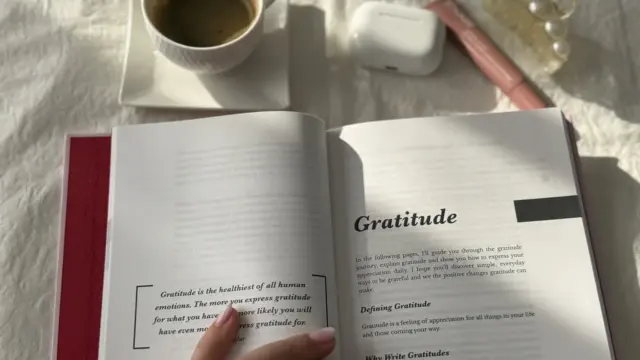
How a Gratitude Journal Can Transform Your Mindset
Modern life moves fast. Between work, notifications, and constant demands, it’s easy to focus on what’s missing, what’s wrong, or what still needs to be done. Over time, this focus shapes our mindset: often leading to stress, dissatisfaction, or burnout.
But there’s a simple daily practice that can shift everything: gratitude journaling.
Gratitude isn’t just a feel-good trend. It’s a scientifically backed habit that rewires the brain to focus on what’s working, what’s meaningful, and what’s abundant. A gratitude journal gives this practice structure, consistency, and depth: turning a fleeting thought into a transformative ritual.
Why Gratitude Matters for Your Mindset
Gratitude changes the lens through which you see the world. Research shows that people who regularly express gratitude experience more positive emotions, sleep better, and feel more optimistic about their lives. When you take a moment each day to reflect on what you appreciate, you begin to train your brain to notice what’s good instead of dwelling on what’s lacking.
This mental shift doesn’t mean ignoring problems. It means creating a balanced perspective. When challenges arise, you’re less reactive and more resilient. You begin to see possibilities rather than roadblocks. Over time, gratitude becomes a powerful anchor, helping you stay steady when life gets unpredictable.
The Problem with “Thinking” Gratitude Only
Many people say “I’m grateful,” but rarely go deeper. Thinking gratitude is fleeting. It passes as quickly as the thought arises. Writing it down, however, is different. A gratitude journal slows your mind down. It makes the invisible visible.
When you write, you:
- Reflect more deeply on why something matters
- Anchor the feeling in the present moment
- Create a tangible record you can return to when life gets tough
It’s the difference between saying “thank you” quickly and truly pausing to feel it. Journaling adds intention, structure, and consistency: and that’s where the transformation happens.
How to Start a Gratitude Journaling Practice
1. Choose a Dedicated Journal
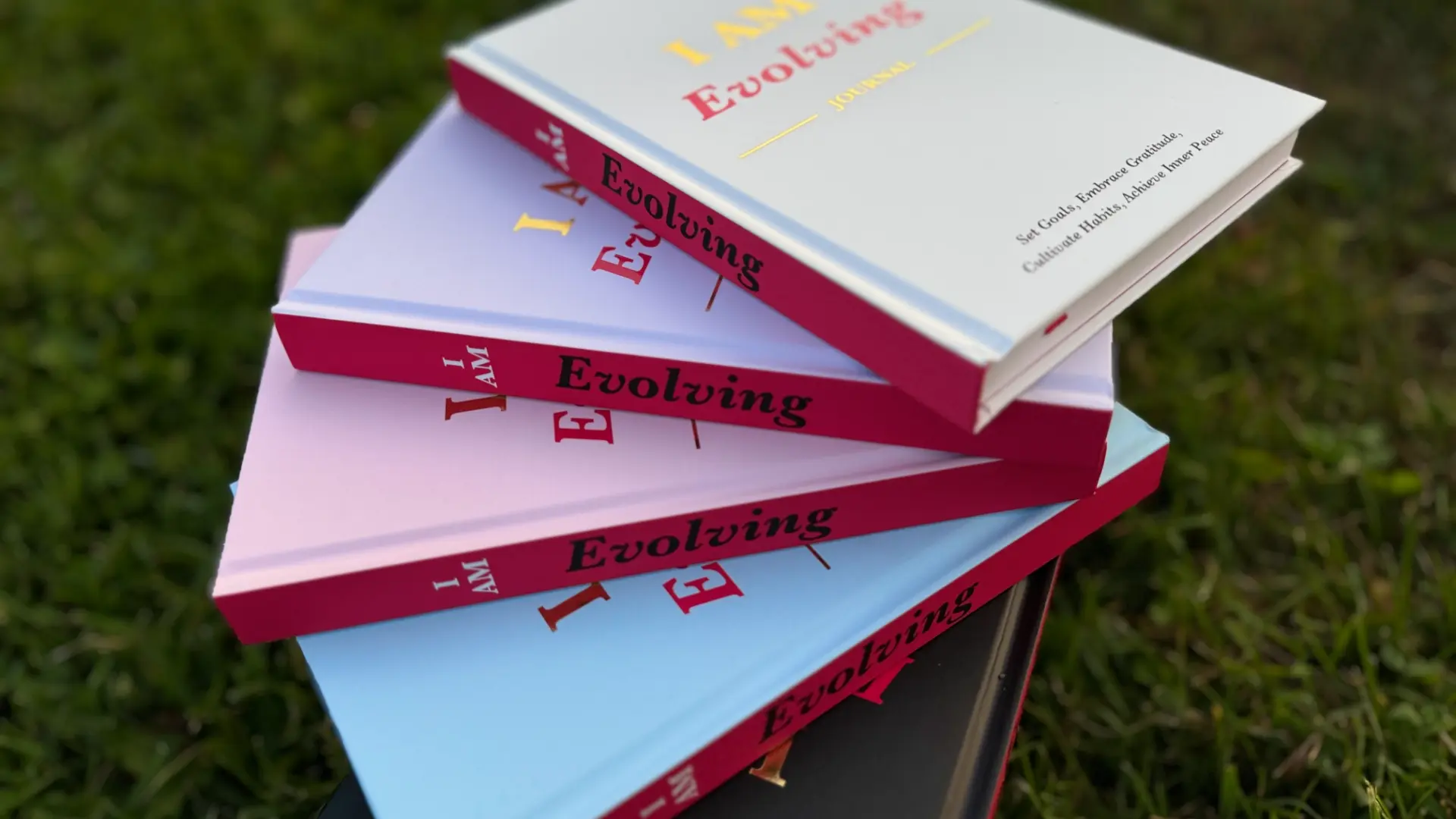
Pick a notebook or structured gratitude journal that you enjoy using. The tactile experience matters. It should feel special, not like a chore. The iAmEvolving Journal includes a daily gratitude section that makes this step easy and meaningful.
2. Write Three Things You’re Grateful For
This is a classic technique for a reason. It’s quick, powerful, and effective. Each day, write three things you genuinely appreciate. They can be big (a promotion, a relationship) or small (a warm cup of tea, a walk in the sun).
3. Add a “Why”
Don’t just list items: write why you appreciate them. This deepens the emotional impact and helps your brain connect gratitude to real meaning.
“I’m grateful for my morning coffee because it gives me a peaceful moment before the day begins.”
4. Be Consistent, Not Perfect
Missed a day? That’s okay. The key is to build a rhythm. Gratitude journaling is about progress, not perfection.
Get more like this, every week
How Gratitude Journaling Rewires Your Brain
Gratitude isn’t just emotional. It’s neurological. Regularly writing down what you’re thankful for activates the brain’s reward system, releases dopamine and serotonin, and strengthens neural pathways associated with positive thinking. Over time, this practice helps you:
- Reduce stress and anxiety
- Sleep better
- Strengthen relationships
- Develop emotional resilience
- Feel more satisfied with your life
These benefits compound with consistency. Your journal becomes a daily training ground for a more optimistic, grounded mindset.
Gratitude Journal Prompts to Spark Daily Reflection
Some days the words come easily. Other days you stare at the page and draw a blank, repeating the same three things you wrote yesterday. That’s normal. A good prompt gives your mind somewhere to go, so gratitude stays fresh instead of becoming a checklist. The goal isn’t to find something impressive. It’s to notice something true.
When you need a starting point, try one of these:
- What is something small that made today easier than it could have been?
- Who showed up for me this week, and how did it feel to be supported?
- What part of my body, health, or energy am I taking for granted right now?
- What challenge taught me something I’m quietly thankful for?
- What comfort in my home do I rarely stop to appreciate?
Notice how these questions pull you toward specifics. “I’m grateful for my family” is true, but it stays at the surface. “I’m grateful my sister called just to check in on a hard day” lands deeper, because it captures a real moment. The more concrete your entry, the more your brain registers the feeling behind it. If you want a fuller list to rotate through, our collection of gratitude journal prompts gives you enough variety to keep the practice from going stale for months.
What to Expect in Your First Few Weeks
Gratitude journaling rarely feels life-changing on day one. The first few entries can even feel a little forced, like you’re going through the motions. This is the most common point where people quit, convinced it isn’t working. In reality, you’re simply in the early stage where the habit hasn’t taken root yet. The shift is happening underneath, even when you can’t feel it.
By the end of the first week, most people notice a subtle change: they start spotting small good moments during the day, almost as if part of their mind is collecting material for that evening’s entry. By week three, that noticing becomes more automatic. You catch yourself feeling thankful in real time, not just on the page. This is your brain adjusting its default setting, learning to scan for what’s working instead of only what’s wrong.
To get there, protect the habit during those fragile early weeks. Attach journaling to something you already do, like your morning coffee or the few minutes before sleep. Keep your entries short on busy days rather than skipping them entirely. If you want a structured way to build momentum, a 30-day gratitude journal challenge gives you a clear finish line, and our guide on how to build a gratitude habit walks through the small systems that make consistency feel effortless.
Practicing Gratitude on Hard Days
Gratitude is easy when life is going well. The real test comes on the days when you’re tired, discouraged, or grieving. On those days, forcing a cheerful list can feel hollow, even dishonest. The answer isn’t to fake positivity. It’s to lower the bar and look for something honest, however small. A warm shower. A text from a friend. The simple fact that the day is almost over and you made it through.
This is where journaling earns its place. Writing one genuine line of gratitude on a hard day does more for your resilience than ten lines on an easy one, because you’re training your mind to find footing even when the ground feels unsteady. You’re not pretending the difficulty isn’t real. You’re reminding yourself that good still exists alongside it. Over time, that balanced view becomes one of the quiet superpowers of a consistent gratitude practice: the ability to hold both the hard and the good in the same hand.
How the iAmEvolving Journal Makes Gratitude Simple
Many people want to journal but don’t know where to start. Blank pages can feel overwhelming. That’s why structure matters.
The iAmmEvolving Journal is designed to make gratitude journaling effortless. Each page includes a dedicated gratitude section, alongside space for daily goals, habits, and emotional reflection. This structure helps you integrate gratitude into your day without overthinking it.
By writing your gratitude alongside your intentions, you naturally align your mindset with your actions. Over time, this alignment shapes how you show up in the world.
Available here:
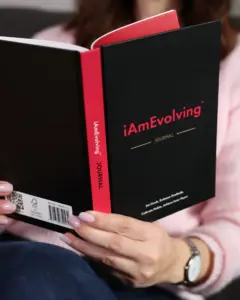
Start your daily practice of gratitude, goals, and growth.
Get the Journal →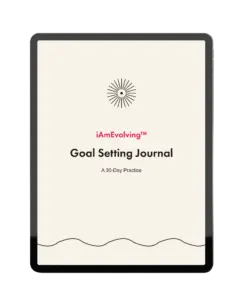
A free 30-day goal setting journal PDF with daily prompts, action steps, and reflection space. Printable, minimal, and designed to keep you focused on…
ExploreStart today. Write three things. Feel the shift.
Gratitude changes the way you see yourself and your world. To dive deeper into the science and practice behind this transformation, visit Gratitude Foundations — The Science and Soul of Thankfulness.
If you’re looking to expand your journaling practice beyond gratitude, explore our detailed review of the best personal development journals to find the perfect one for your growth goals.
What is a gratitude journal?
How do I start a gratitude journaling practice?
When is the best time to use a gratitude journal?
How is the iAmEvolving Journal different from a regular notebook?