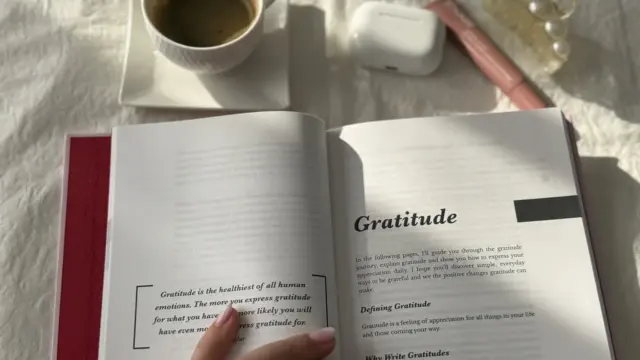
How to Start a Gratitude Journal: A Simple 5-Step Guide

Learning how to start a gratitude journal is simple: each day you write down a few specific things you’re thankful for, plus a short line about why each one mattered. The whole practice takes two or three minutes, and it works because naming the good on paper trains your attention to go looking for it again tomorrow.
This guide is about gratitude journaling specifically, from choosing a journal through your first week of entries. If you’ve never kept any kind of journal before, read how to start journaling for beginners first, then come back here to add gratitude to the routine.
Why Start Gratitude Journaling
Gratitude journaling helps train your mind to focus on what’s going well, even when life feels overwhelming. By regularly acknowledging the good, big or small, you begin to notice more positive moments throughout your day. Journaling for self-improvement builds a strong foundation for the gratitude habit.
The benefits last longer than a passing “feel good” moment. Numerous studies have linked consistent gratitude journaling to lower stress levels, improved sleep, increased resilience, and greater overall life satisfaction. It’s a habit that compounds over time, like interest on a good investment.
Choose a Journal You Enjoy Using
You don’t need anything fancy to begin. A simple notebook works perfectly well. However, many people find that using a structured or guided journal helps them stay consistent, especially in the early stages. Look for a gratitude journal that fits your personality and daily rhythm, whether that’s minimalistic, full of prompts, or a mix of gratitude and goal setting.
If you’re looking for a structured option, the iAmEvolving Journal is designed to make gratitude journaling effortless. It includes a dedicated space for daily gratitude, goals, habits, and reflection. All in one place. This framework makes it easy to stay grounded, even on busy days.
If you’d rather start with something free, download the free printable gratitude journal PDF. It’s 32 pages of daily prompts you can print at home and begin using tonight.
Pick the Right Time of Day
The best time to journal is the time you can stick to consistently. Morning journaling sets a positive tone for your day, helping you enter it with clarity and appreciation. Evening journaling allows you to unwind, reflect on the moments that mattered, and end the day on a calm note. There’s no right or wrong. What matters is finding a time that works for you.
Get more like this, every week
Keep It Simple and Consistent
One of the biggest mistakes beginners make is overcomplicating the process. You don’t have to write long essays to see results. Start by writing down three things you’re grateful for each day. They can be as small as a warm cup of coffee or as big as a personal milestone. Consistency matters far more than length or complexity.
Gratitude turns ordinary moments into blessings, and daily journaling is how you learn to see them.
Even on difficult days, finding one small thing to be grateful for keeps the practice alive. Over time, this steady reflection creates a small but lasting shift in your perspective.
Make It Personal and Real
Gratitude journaling works best when you skip the generic statements. Be specific and connect emotionally with what you write. Instead of “I’m grateful for my family,” try “I’m grateful for the conversation I had with my sister today. It made me feel understood and supported.” This depth helps your brain register the feeling of gratitude.
Stay Patient: The Benefits Build Over Time
Like any good habit, gratitude journaling gets stronger with time. You may feel a boost after a single session. Read more about the benefits of daily gratitude journaling to understand how it strengthens your mindset and resilience. The real change happens through daily practice. Think of it as building a new mental pathway: the more often you walk it, the more natural it becomes.
If you miss a day, don’t overthink it. Return to the habit the next day. Consistency means coming back to what matters, even after a miss.
How to Start a Gratitude Journal in 5 Steps
If you’re wondering how to do gratitude journaling in a way that actually sticks, it helps to follow a simple sequence. You don’t need a complicated system. These five steps give beginners a clear path from blank page to lasting habit.
- Set a cue. Tie your journaling to something you already do, like your morning coffee or brushing your teeth at night. Anchoring the habit to an existing routine makes it far easier to remember.
- Write three things. List three specific things you’re grateful for. Specific beats general every time, so reach for the exact moment rather than a broad category.
- Name the why. Add a short line about why each one mattered. The emotional shift happens in this line more than in the list itself.
- Keep it short. Two or three minutes is plenty. A practice you can finish is a practice you’ll repeat.
- Return tomorrow. Show up again the next day, even if yesterday felt flat. The benefit builds from the rhythm of showing up, day after day.
Once these steps feel natural, you can layer in more reflection. Many readers pair this routine with a wider approach to building a gratitude habit so the practice holds even during busy or stressful weeks.
Your First Week of Gratitude Journaling
Most people quit in the first seven days. The practice is easy enough, but nothing dramatic happens. Knowing what the first week actually feels like makes it much easier to stay with it.
- Days 1 to 2. The entries come easily. You’ll reach for the obvious ones: family, health, home. Write them anyway. The obvious answers are the warm-up.
- Days 3 to 4. This is where it stalls. The obvious list is used up and the page feels repetitive. Narrow your focus instead: skip “my home” and write about the ten minutes you sat by the window this morning.
- Days 5 to 6. You start noticing things during the day specifically because you know you’ll write them down later. This is the shift that matters, and it happens well before you feel any different.
- Day 7. Read the week back in one sitting. Seven days of small, specific moments in your own handwriting is more convincing than any explanation of why the habit works.
If you miss a day in that first week, don’t restart the count. Just write the next day. The people who keep this practice for years are not the ones who never skipped, they’re the ones who stopped treating a skip as a verdict.
Gratitude Journal Prompts for Beginners
The blank page is the hardest part for most beginners. When you’re not sure what to write, a prompt gives you an easy starting point. Use any of these to spark an entry on the days your mind feels quiet:
- What is one small thing that made today a little easier?
- Who showed up for you recently, and how did it feel?
- What part of your health are you thankful for right now?
- What is something in your home that brings you comfort?
- What challenge taught you something worth keeping?
- What is a simple pleasure you often overlook?
There’s no wrong answer here. The goal isn’t a perfect sentence, it’s an honest one. If you’d like a deeper collection to draw from, browse these gratitude journal prompts and keep a few favorites nearby for the days you need a nudge.
Common Mistakes Beginners Make
A few predictable stumbles trip up most newcomers, and knowing them in advance makes the habit much easier to keep. The first is waiting for the “right” mood. Gratitude journaling works precisely because you do it on ordinary days as well as good ones.
The second is repeating the same entries on autopilot. Listing “my family, my health, my home” every day quickly loses its meaning. Rotate your focus and reach for fresh, specific moments instead. The third is treating one missed day as failure. The real problem is abandoning the practice because you skipped. Let the streak break, then pick the pen back up.
Final Thoughts
Starting a daily gratitude journaling practice is one of the simplest yet most impactful steps you can take for your mental well-being and personal growth. It requires no special skills, only a willingness to pause and notice the good in your life. Whether you choose to write in the morning or evening, in a guided journal or a blank notebook, what matters most is showing up with honesty and consistency.
The iAmEvolving Journal was designed to support exactly this kind of daily reflection. Explore the best gratitude journals to find one that inspires you and helps you stay consistent. With its structured layout for gratitude, goals, habits, and inner work, it helps you turn gratitude journaling into a lasting ritual.
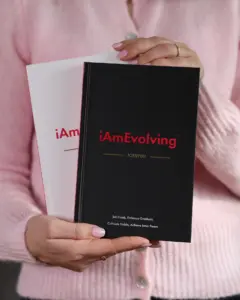
Start your daily practice of gratitude, goals, and growth.
Get the Journal →
A free 30-day gratitude journal designed for a simple daily practice. Calm, minimal, and printable to help you slow down and reflect.
ExploreGratitude grows through practice, imperfect days included. Each time you write, you strengthen awareness and presence. To keep your practice consistent and meaningful, read Gratitude Journaling Practice: Build a Daily Habit of Reflection and Presence.
FAQ
How often should I write in my gratitude journal?
What if I don’t know what to write?
Is it better to journal in the morning or at night?
How long should each entry be?
Can I use a regular notebook for gratitude journaling?
How do I start a gratitude journal if I’ve never journaled before?
How long does it take to see results from gratitude journaling?