How to Start Journaling for Self-Improvement
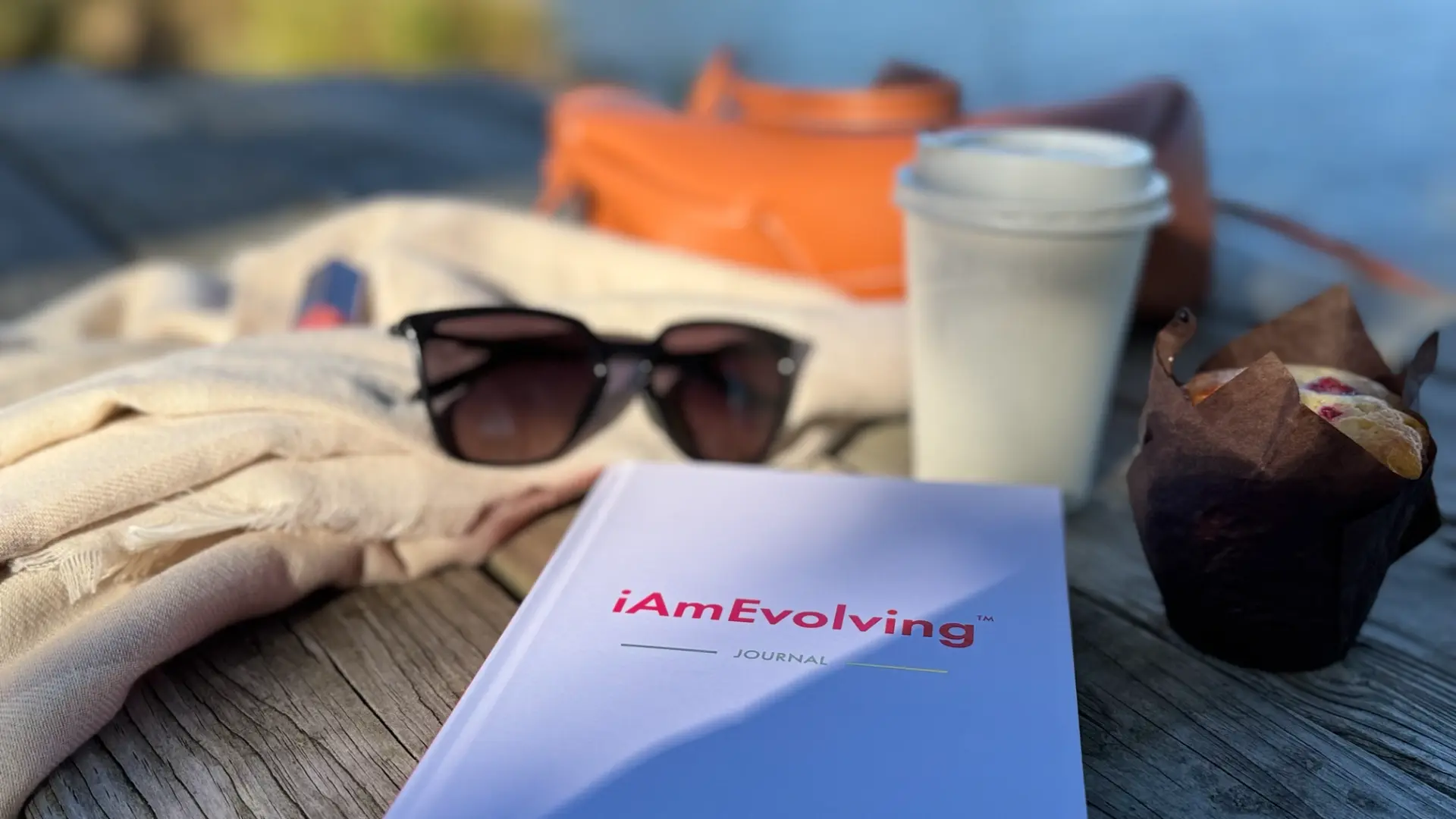
Learning how to start journaling for self-improvement begins with a simple structure: a few minutes each day to reflect on your goals, habits, and growth. You don’t need complicated tools or perfect words: just consistency and intention.
Before you begin, it helps to understand that lasting change always starts with awareness: as I explain in Why Personal Growth Starts with Awareness.
As a personal development coach, I’ve seen countless people go from overthinking to taking clear, confident action: and it often starts with a pen and paper.
If you want a complete guide that supports you beyond the first steps and helps you build a journaling practice that truly transforms your life, explore my full guide on The Ultimate Journaling Guide. It will help you move from just starting to journaling with clarity, intention, and confidence.
Simple Steps on How to Start Journaling for Self Improvement
Journaling isn’t just about writing what happened. It’s about thinking on paper, building self-awareness, and turning thoughts into tangible actions.
Here’s why journaling is so effective:
- Clarity: It helps you sort through thoughts and emotions.
- Focus: It keeps your goals front and center.
- Emotional regulation: Writing reduces stress and gives perspective.
- Growth tracking: You can look back and see your evolution.
- Consistency: Daily writing builds habits that compound over time.
Step 1: Start Simple
You don’t need a fancy routine. Begin with 5 minutes a day : morning or evening.
Start by answering a few simple questions, like:
- What matters most to me today?
- What am I grateful for?
- What’s one small action I can take to grow?
This removes the pressure of “doing it right” and makes journaling feel easy and approachable.
Step 2: Choose a Journaling Style That Fits You
There’s no one right way to journal. Here are a few popular methods:
- Free writing: Write whatever comes to mind without judgment.
- Prompt-based journaling: Use daily questions to guide your reflections. If you’re drawn to reflection and gratitude, try incorporating ideas from Gratitude Journal Prompts to bring more emotional depth to your entries.
- Structured journaling: Use a pre-designed layout for goals, gratitude, and reflection (the fastest way to build a habit).
- Hybrid: Mix structured sections with free space.
For beginners, structured journaling works best because it gives direction. No blank-page overwhelm.
Get more like this, every week
Step 3: Set Up a Journaling Space and Time
Consistency is easier when journaling feels like a ritual.
- Pick a quiet corner, grab a pen you enjoy using, and keep your journal handy.
- Choose a time that fits naturally into your day: like right after waking up or before bed.
- Even two lines a day count. The goal is to make it part of your rhythm.
Step 4: Use Prompts to Keep Momentum
Prompts help you avoid “I don’t know what to write.” Here are a few to get started:
- What am I grateful for right now?
- What’s one thing I want to focus on today?
- What challenge am I facing, and what’s one step forward?
- What did I learn today?
For more, check out my post on 30 Daily Journaling Ideas . It’s a great resource to keep your practice fresh.
Step 5: Use the Right Journal to Support Your Growth
You can technically use any notebook: but having a well-structured personal development journal makes it so much easier to stay consistent.
The iAmEvolving Journal was designed specifically for people who want to start journaling for self improvement and build a meaningful daily habit.
It includes:
- Goal-setting section
- Daily gratitude prompts
- Habit tracking
- Reflection space for mindset growth
- Undated pages so you can start anytime
Common Mistakes Beginners Make When Starting a Journal
When people first learn how to start journaling for self improvement, the same few stumbles tend to slow them down. Spotting them early saves you weeks of frustration and keeps the habit from fizzling out.
- Waiting for the perfect setup: A special notebook or a quiet hour is nice, but it is not required. The best time to start is today, with whatever you have on hand.
- Trying to write too much: Long entries feel impressive on day one and exhausting by day four. Two honest sentences beat a page you dread.
- Editing while you write: Journaling is thinking on paper, not publishing. Let the words be messy. Nobody else is reading them.
- Treating one missed day as failure: A single skipped entry is not a broken streak, it is a normal week. The people who grow most are simply the ones who come back.
If you are brand new to the practice and want a gentler on-ramp, my walkthrough on how to start journaling for beginners breaks the first week down into very small, doable steps. The goal at this stage is momentum, not mastery.
How Journaling for Self Improvement Pays Off Over Time
The first few entries rarely feel life-changing, and that is normal. Journaling for self improvement works through repetition, the way small deposits quietly turn into savings. The value compounds as you keep showing up.
In the first week or two, the main shift is awareness. You start noticing patterns you used to react to on autopilot: the moods, the triggers, the habits that pull you off course. Within a month, that awareness becomes direction. Reading back over your own words, you can see which goals actually matter to you and which ones you were carrying out of obligation.
By the three-month mark, journaling stops feeling like a task and starts feeling like a relationship with yourself. You have a record of how you handled hard weeks, what helped, and how far you have come. That evidence is powerful on the days motivation runs low. If you want this practice to truly stick, it helps to anchor it to a routine, which is exactly what I cover in how to build a journaling habit and the morning journaling routine.
One more thing worth remembering: self-improvement is rarely a straight line. Some weeks your entries will be full of energy and insight, and others will be a tired sentence before bed. Both count. The journal is not there to judge your progress, it is there to hold it, so you can keep moving forward at your own honest pace.
You can compare different options in The Best Personal Development Journals to Elevate Your Growth.
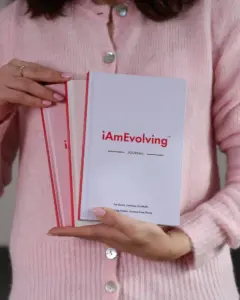
Start your daily practice of gratitude, goals, and growth.
Get the Journal →
A free 30-day goal setting journal PDF with daily prompts, action steps, and reflection space. Printable, minimal, and designed to keep you focused on…
ExploreStep 6: Stay Consistent and Kind to Yourself
The real power of journaling is in showing up every day, not writing perfect entries. Miss a day? Just pick it up tomorrow.
Think of journaling as a daily conversation with yourself: one that grows deeper and more meaningful with time.
Learning how to start journaling for self improvement isn’t complicated. It’s about starting small, being consistent, and using the right structure to support your growth. If you’re focusing on consistency, explore Trust the Process: Why Your Goals Take Time to Grow: a reminder that meaningful habits form through patience.
Journaling doesn’t need to be perfect. It just needs to be honest. Every word you write brings you closer to clarity and growth. To explore more about building a journaling practice that lasts, visit Journaling Foundations.
How do I start journaling if I’ve never done it before?
How often should I journal for self improvement?
Do I need a special journal to get started?
What time of day is best for journaling?
What if I miss a day?
What should I write about in my journal?