30 Daily Journaling Ideas for Clarity
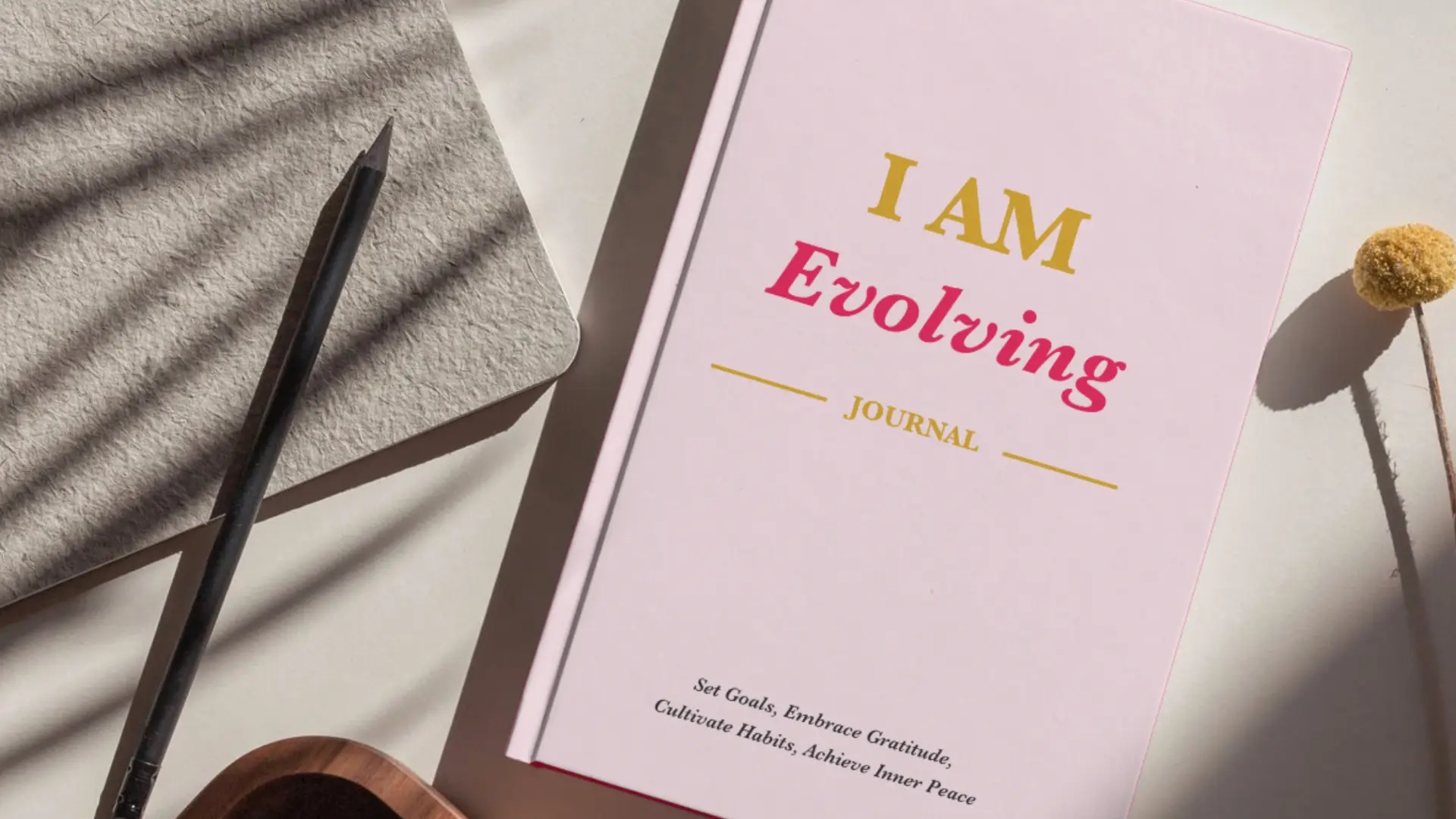
Daily journaling ideas are prompts and themes that keep your writing practice fresh, focused, and meaningful. Just a few minutes with a pen and paper each day can clear your mind, sharpen your focus, and help you grow intentionally.
But even experienced journalers sometimes get stuck staring at a blank page. That’s where daily journaling ideas come in. A good prompt can spark reflection, emotion, and clarity in seconds.
As a personal development coach, I’ve seen how a consistent journaling practice transforms people, not through long essays, but through simple, meaningful daily reflection.
Here are 30 daily journaling ideas to inspire your growth, categorized to make it easy to use every day.
If you want a complete guide that helps you build a consistent, meaningful journaling practice, not just with daily ideas, but with deeper structure and intention: explore my full guide on The Ultimate Journaling Guide. It will help you turn simple prompts into a daily ritual that strengthens clarity, focus, and long-term growth.
Gratitude & Positivity
- Write down 3 things you’re grateful for today: big or small.
- What’s one positive thing that happened in the last 24 hours?
- Who made a difference in your life recently? Why?
- Describe a moment that made you smile today.
- What’s something you often take for granted but deeply value?
Goals & Intentions
- What is the most important thing I want to achieve today?
- How will I make progress toward my long-term goals today?
- What are three priorities that will move me forward?
- What skill or habit do I want to improve this week?
- What would make today a successful day?
Self-Reflection & Growth
- What am I proud of from yesterday?
- How did I handle challenges recently, and what did I learn?
- Where am I holding myself back: and why?
- What limiting belief do I want to rewrite today?
- How can I show up as the best version of myself today?
Get more like this, every week
Mindfulness & Awareness
- What emotion am I feeling most right now?
- Describe the view, sound, or sensation around you at this moment.
- What is one thing I can do to be more present today?
- What do I need to let go of to feel lighter?
- Where in my life can I slow down and pay more attention?
Inspiration & Vision
- If today was my ideal day, what would it look like?
- Who inspires me and why?
- What’s a dream I’ve been putting off, and why?
- What kind of person do I want to become in the next year?
- Imagine your life five years from now: describe one beautiful detail.
Evening Reflections
- What went well today?
- What challenged me today, and how did I respond?
- What did I learn about myself today?
- Who or what am I grateful for tonight?
- What intention will I carry into tomorrow?
How to Use These Daily Journaling Ideas
You don’t need to answer all of them: pick one or two each day. The goal is to stay consistent, not to write perfect essays.
Here are a few ways to make these prompts part of your daily rhythm:
- Keep them printed in your journal for easy reference
- Pick a random number each day for variety
- Create themed weeks (e.g., gratitude week, growth week)
- Use morning prompts for focus, evening prompts for reflection
Why Daily Journaling Works (Even in Five Minutes)
Daily journaling works because it gives your thoughts a place to land. When you write down what you’re feeling, your mind stops looping on the same worry and starts processing it instead. Even five focused minutes can lower mental clutter and leave you calmer for the rest of the day.
The benefit isn’t in the length of what you write. It’s in the consistency. A short entry every morning trains your brain to notice patterns: what drains you, what energizes you, and what you keep avoiding. Over weeks, those small notes turn into real self-knowledge.
There’s also a quiet emotional payoff. Naming a feeling on paper makes it less overwhelming. Gratitude prompts in particular shift your attention toward what is working, which is linked to better mood and resilience. If you want to go deeper on that, explore the benefits of daily gratitude journaling and how a few lines a day compound over time.
Think of each entry as a small check-in with yourself rather than a performance. You’re not writing for an audience or a grade. You’re simply showing up, noticing where you are, and choosing one honest thought to capture before the day pulls you forward.
What to Journal About When You Don’t Know Where to Start
The most common reason people quit journaling is the blank page. You sit down, the pen hovers, and nothing comes. The fix is to lower the bar. You don’t need a profound insight. You need one true sentence about your day.
Start with what is already on your mind. If something is bothering you, write that. If you keep replaying a conversation, describe it. If you feel grateful or restless or tired, name it and ask why. The prompts above exist for exactly these moments, so pick the first one that pulls at you and follow it.
When you still feel stuck, try these simple entry points:
- What is taking up the most space in my head right now?
- What do I want more of, and less of, this week?
- What is one thing I’m avoiding, and what would make it easier?
- What went better than expected today?
If you’re brand new to the practice, it helps to see the basics laid out step by step. This guide on how to start journaling for beginners walks through how to set up your first entries without overthinking them.
A Simple Daily Journaling Example
Seeing a real entry makes the practice feel less abstract. Here is what a five-minute morning entry might look like using a few of the prompts above.
Three things I’m grateful for: a slow coffee, my sister’s text last night, the quiet before everyone wakes up. The most important thing I want to achieve today is finishing the proposal draft. One limiting belief I want to rewrite: that asking for help means I’m behind. I’ll carry patience into the day.
Notice how short it is. Four prompts, a handful of honest sentences, no pressure to sound wise. That is the entire point. An evening version might be just as brief: what went well, what challenged you, and one intention for tomorrow.
Your entries don’t need to match this exactly. Some days you will write three lines, other days three pages. Both count. The example is simply there to show that meaningful journaling is closer to a quick conversation with yourself than to formal writing.
How to Make Daily Journaling a Lasting Habit
Ideas only help if you actually return to them. The difference between people who journal once and people who journal for years is rarely motivation. It is design. They attach the habit to something they already do.
Pick a reliable anchor. If you want clarity to start your day, pair journaling with your morning coffee and a single prompt from the lists above. A short morning journaling routine sets your focus before the noise begins. If you would rather process the day, an evening journaling routine helps you close loops and rest easier.
Keep the commitment small enough that you cannot talk yourself out of it. One prompt. Two minutes. The same notebook in the same spot. Consistency at a tiny scale beats ambition you abandon by Thursday. For a fuller framework on making it stick, see how to build a journaling habit that survives busy weeks.
Miss a day without guilt. A daily practice is not a streak you have to protect at all costs. It is a relationship you keep coming back to. Open the page again, pick a prompt, and you are right back in it.
The Best Way to Bring Daily Journaling to Life
While you can use these prompts in any notebook, having a structured daily journal makes it easier to turn journaling into a real habit.
The iAmEvolving Journal is designed exactly for this: it gives you a clear daily layout for goals, gratitude, habits, and reflection, so you don’t waste time figuring out where to start.
Available here:
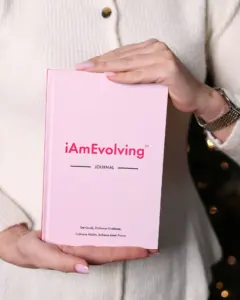
Start your daily practice of gratitude, goals, and growth.
Get the Journal →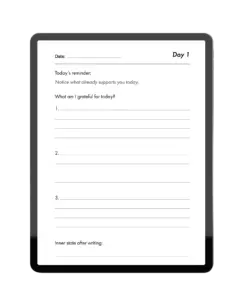
A free 30-day gratitude journal designed for a simple daily practice. Calm, minimal, and printable to help you slow down and reflect.
ExploreDaily journaling ideas are gentle sparks that keep your reflection alive: helping you slow down, notice, and realign with what matters most. Each prompt you explore becomes a step toward clarity and mindful growth. Find more inspiration to expand your practice at Journaling Prompts & Guided Writing.
Frequently Asked Questions
What should I write about in a daily journal?
How long should daily journaling take?
Is it better to journal in the morning or at night?
How many journaling prompts should I use each day?