Journaling Foundations: Build Clarity & Inner Growth

Journaling foundations are the core principles and practices that make daily writing effective as a tool for personal growth. Understanding these foundations before you start, or revisiting them if your practice has gone stale, is the difference between journaling that transforms how you think and journaling that fills pages without purpose. The science is clear: structured writing changes brain function, improves emotional regulation, and accelerates goal achievement. But only when the practice is built on a solid understanding of why it works and how to sustain it.
This page covers the essential building blocks of a journaling practice: what journaling actually is, how it changes your brain, how to start if you are a complete beginner, and the techniques that make daily writing consistently productive. Each section introduces the topic and links to a deeper resource. For the broader framework that these foundations support, visit the complete journaling guide.
What Journaling Is and Why It Matters
Journaling is the practice of writing regularly to process thoughts, emotions, and experiences with intention. It is not a diary in the childhood sense of recording events. It is a deliberate tool for self-examination that uses the act of writing to make invisible mental patterns visible, process emotions that would otherwise circulate unresolved, and clarify thinking that feels muddled when it stays inside your head.
The practice has been studied extensively across psychology, neuroscience, and behavioral medicine. Research consistently shows that people who journal regularly report lower stress, better emotional regulation, improved focus, and greater progress toward their goals. For a complete introduction to what the practice involves and who it benefits, what is journaling covers the fundamentals in depth.
Understanding what journaling is also means understanding what it is not. It is not a diary where you record what you ate for lunch. It is not a gratitude list you rush through mechanically. It is not therapy, though it supports therapeutic work powerfully. Journaling is a deliberate conversation with yourself, conducted in writing, where the act of forming thoughts into sentences produces clarity that thinking alone cannot reach. Most people discover that they do not fully know what they think about something until they write about it.
How Journaling Changes Your Brain
Journaling works because it engages your brain differently than thinking or talking. When you write, your prefrontal cortex activates to organize thoughts into language, while your amygdala quiets down, reducing the emotional intensity of stressful experiences. Handwriting in particular activates regions associated with memory, comprehension, and creative thinking more deeply than typing.
Over time, this repeated engagement creates new neural pathways. Your brain literally builds infrastructure to support the thinking patterns you practice most often through writing. Gratitude journaling strengthens positive pattern recognition. Reflective writing builds self-awareness. Goal writing improves follow-through. The mechanism is neuroplasticity, and journaling is one of the most accessible ways to harness it deliberately.
How journaling rewires your brain covers the neuroscience in detail, including the specific studies that demonstrate measurable brain changes from consistent writing. For the broader scientific evidence, the science behind journaling synthesizes research from multiple fields into a complete picture of why writing works.
The practical implication of this research is significant: you do not need to believe journaling will work for it to work. The neural mechanisms that produce clarity, emotional regulation, and improved decision-making activate regardless of your expectations. The brain responds to the act of structured writing the same way muscles respond to exercise. Consistency produces results whether you feel motivated on any given day or not. This makes journaling one of the few personal growth practices that is genuinely evidence-based rather than dependent on belief or personality type.
This also means that the common objection, that journaling only works for creative or emotionally expressive people, is not supported by the evidence. Analytical thinkers benefit because writing organizes their thoughts into structured narratives. Emotionally reserved people benefit because writing provides a private outlet that conversation does not. People who claim they have nothing to write about often benefit most of all, because the act of writing reveals thoughts and patterns they did not know they had.
How to Start Journaling
The most common barrier to starting a journaling practice is overthinking it. People worry about what to write, how much to write, whether they are doing it correctly, and whether their entries are “good enough.” These concerns are universal and completely unnecessary. The only requirement for effective journaling is showing up consistently and writing honestly.
If you have never journaled before, start with five minutes and one simple prompt: “What am I thinking about right now?” Write without editing, without judging, and without stopping to reread. The goal of your first week is not profound insight. It is building the habit of sitting down and writing daily. Everything else develops naturally from that foundation.
How to start journaling for beginners provides a complete first-week framework with daily prompts and practical tips for making the practice stick. If you want to connect your journaling to specific personal growth goals from the beginning, journaling for self-improvement offers a more goal-oriented starting approach.
The biggest mistake new journalers make is setting expectations too high. Writing three pages every morning sounds disciplined, but the friction it creates kills consistency within two weeks. Start with a commitment so small it feels almost pointless: one paragraph, three sentences, two minutes. The habit of showing up matters infinitely more than the volume of what you write. Once you have written every day for two weeks, your brain begins to expect the practice and the words come more easily. Volume increases naturally from consistency, not the other way around.
Another common mistake is rereading your entries too soon. In the first month, resist the urge to look back at what you wrote. Early entries are for release, not analysis. If you reread them too early, you start editing yourself, writing for an imagined audience instead of for honest processing. Give yourself at least 30 days before reviewing. When you do look back, you will be surprised by how much has changed in both your writing and your thinking.
Get more like this, every week
Journaling Techniques That Produce Results
Once the daily habit is established, the techniques you use determine the depth of results you get. Different techniques serve different purposes, and the most effective journalers combine several approaches based on what they need on any given day.
Journaling techniques for clarity covers five specific methods that help you cut through mental noise and reach genuine insight. These include structured reflection prompts, free-writing for emotional release, and pattern-recognition exercises that reveal your blind spots over time.
Another foundational technique is writing down your intentions each morning. This practice trains your brain to focus on what matters most, priming your attention filter to notice opportunities and information related to your goals throughout the day. It takes less than two minutes and measurably improves daily focus.
Self-discovery through journaling uses a different set of techniques focused on uncovering your values, fears, and motivations. These deeper exercises are especially valuable during transitions, when you are questioning your direction, or when you feel disconnected from your own priorities.
Choosing the Right Journal to Start With
The journal you use shapes the practice you build. A blank notebook offers maximum freedom but no guidance. A guided journal provides daily prompts and structure that reduce friction and build consistency. For beginners, a guided journal is almost always the better choice because it eliminates the blank-page anxiety that stops most new journalers within two weeks.
Best journals for beginners reviews the top options based on prompt quality, daily time commitment, and how well each journal supports the transition from beginner to consistent daily writer. If you want to understand the trade-offs between structured and unstructured approaches before choosing, guided vs blank journals breaks down the comparison in detail.
The iAmEvolving Journal combines the best of both approaches: structured daily sections for goals, gratitude, habit tracking, and inner harmony reflection, with enough open space for personal expression. It is designed to provide the scaffolding beginners need while growing with you as your practice deepens.
When evaluating any journal, consider four factors: whether the prompts challenge you to think deeply or just fill in blanks, whether the daily time commitment matches your realistic schedule, whether the journal includes weekly or monthly review sections for tracking patterns, and whether the physical quality makes you want to pick it up every day. A well-chosen journal removes barriers. A poorly chosen one creates them. Take the time to find one that genuinely fits your personality and goals.
What to Do When You Miss a Day
Every journaling practice involves missed days. Travel disrupts your routine, a hard week leaves you too drained to write, or you simply forget. The question is not whether you will miss days. The question is what happens next. Most journaling practices die not because someone forgot once, but because they treated the missed day as proof that the habit is broken and gave up entirely.
The all-or-nothing mindset is the single biggest threat to a sustainable practice. A missed day is information, not failure. It tells you something about your current routine, energy, or environment that needs adjustment. People who journal for years are not people who never miss. They are people who return without making a story about why they stopped. Write three sentences the day after a missed day, even if you do not feel like it. That single act preserves the identity of someone who journals, which is more important than any individual entry.
If you have missed a week or more, do not try to catch up by writing about everything you missed. That approach guarantees a second collapse. Pick up exactly where you would be if you had not stopped, on the present day with the present prompt. For a complete framework on rebuilding consistency after a break, how to build a journaling habit covers the specific anchoring techniques that turn writing into something your brain expects daily.
Many people find that consistency improves when they anchor their journaling to a fixed time and place. A morning journaling routine uses the natural mental clarity of early hours to set intentions before the day pulls your attention elsewhere. An evening journaling routine uses end-of-day reflection to process what happened and release what would otherwise circulate overnight. Both work. The right choice is whichever one you will actually do.
Is Journaling a Substitute for Therapy?
One of the most common questions people ask before they start is whether journaling can replace professional help. The honest answer depends on what you are carrying. Journaling is a powerful tool for processing daily stress, untangling confused thinking, and noticing emotional patterns before they harden into habits. For ordinary overwhelm, decision fatigue, and the low-grade anxiety that comes with a busy life, regular writing often does more than people expect. It gives your thoughts somewhere to go besides in circles.
What journaling cannot do is replace the trained perspective of a therapist when you are dealing with trauma, persistent depression, or anything that interferes with your ability to function day to day. A journal reflects your own thinking back at you, which is exactly why it helps with clarity. But that same quality means it cannot challenge a distorted belief the way a skilled professional can, or hold space for grief that feels too large to face alone. If your writing keeps circling the same painful loop without any relief, treat that as a signal to reach for more support, not less.
The most useful way to think about it is partnership rather than replacement. Many people find that journaling makes therapy more productive, because they arrive at sessions already aware of what they need to talk about. Journaling vs therapy breaks down where each approach helps and where the two work best together. If you are writing primarily to steady your mental health, journaling for mental health covers the practices that support emotional wellbeing, and journaling for emotional clarity offers techniques for working through difficult feelings on the page.
Building From Foundations to Daily Practice
Foundations are where you start. Daily practice is where the transformation happens. Understanding why journaling works gives you the confidence to begin. Building a sustainable routine gives you the consistency that produces real change over months and years.
The natural next step from these foundations is building a daily routine that fits your life. Whether you journal in the morning, the evening, or during a midday break, the key is anchoring the practice to an existing habit so it becomes automatic rather than requiring willpower every day. The iAmEvolving Journal is designed for exactly this transition, taking you from understanding the principles to living them daily.
Conclusion
Every meaningful journaling practice is built on the same foundations: understanding why writing works, starting simply, learning techniques that deepen your reflection, and choosing tools that support consistency. These foundations do not change whether you have been journaling for one day or ten years. They are the principles you return to whenever your practice needs renewal.
Start with what you have. A notebook and five minutes is enough. The foundations are simple. The practice is what makes them powerful.
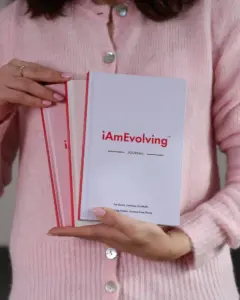
Start your daily practice of gratitude, goals, and growth.
Get the Journal →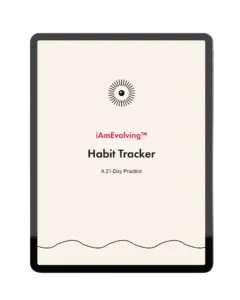
A free 21-day habit tracker PDF with daily check-ins, guided reflection prompts, and mindset reminders. Clean, minimal, and printable.
ExploreFrequently Asked Questions
What are the foundations of journaling?
How long does it take to build a journaling habit?
Do I need a special journal to start?
What is the most important journaling technique for beginners?