Night Journaling: Calm Your Mind for Sleep

Night journaling is the practice of writing before bed to release the day’s mental noise, ease anxiety, and prepare your body for restful sleep. A few quiet minutes with pen and paper can calm a spinning mind and help you let go of what you’re carrying.
If you want a complete guide to building a journaling practice that supports your mind throughout the entire day, from morning clarity to nighttime calm, explore my full guide on The Ultimate Journaling Guide. It will help you create a balanced, intentional rhythm that makes practices like night journaling even more effective.
What Is Night Journaling, and How Does It Work?
Night journaling is the habit of writing in a notebook during the last 10 to 20 minutes before bed, with the goal of clearing your mind rather than producing polished entries. Unlike daytime journaling, which often leans toward planning or problem-solving, journaling at night is about unloading. You move the day’s unfinished thoughts out of your head and onto the page so they stop circling while you try to sleep.
People sometimes confuse it with sleep meditation in journaling, but the two work differently. Sleep meditation is a guided, internal practice of focusing on the breath or body to relax. A night journal adds a physical step: you write the worry down, name the feeling, and close the loop on paper. Many readers combine both, using a few slow breaths to settle and then writing for five minutes to release whatever surfaces. If your evenings feel scattered, weaving this into a calming wind-down alongside bedtime affirmations for sleep can make the whole ritual feel automatic.
You do not need a special notebook or perfect handwriting. A single honest page is enough. The point is consistency and presence, not length. When I started writing for five minutes before bed, the hardest part was resisting the urge to make it neat. The night it finally worked was the night I let the page be messy and just wrote what was actually on my mind.
Why Journaling at Night Works
When you put your thoughts on paper, you’re giving your mind permission to slow down. Journaling helps organize worries into words, transforming vague tension into something visible and manageable. It’s about closing the loop on your day so your mind can rest, without overthinking it.
Nighttime journaling acts as a bridge between the day and rest. It helps separate what you can control from what you can’t, leaving space for acceptance and gratitude. Reflecting on small blessings anchors your mind in peace. You might explore the daily benefits of gratitude journaling to deepen your nightly routine.
How Night Journaling Improves Your Sleep
The reason night journaling helps you sleep comes down to what it does with worry. When thoughts stay in your head, your brain keeps them active so you won’t forget them. Writing them down signals that they are safely stored, which lowers the mental effort of holding on. Research on bedtime writing supports this: a 2018 Baylor University study found that people who spent five minutes writing a specific to-do list before bed fell asleep noticeably faster than those who wrote about tasks they had already finished.
Sleep journaling also interrupts rumination, the loop of replaying the same worry without resolving it. By turning a vague anxiety into a concrete sentence, you make it smaller and easier to set down. If your mind tends to spin once the lights go out, pairing this practice with journaling for overthinking gives you a clear method for slowing a racing mind.
There is an emotional benefit too. Ending the day by naming one good moment, however small, shifts your final thoughts toward calm instead of stress. Over a few weeks, this trains your nervous system to associate bedtime with release rather than tension, which is often the missing piece behind restless nights.
How to Start a Night Journaling Practice
- Keep your journal by your bed. Make it easy to reach when you wind down for the night.
- Use prompts that release thoughts. Try questions like: “What felt heavy today?” or “What am I grateful for right now?”
- Write freely. Don’t edit or filter yourself. This is your space to process, not to perfect.
- Close with gratitude. End your entry by acknowledging something that brought comfort or meaning to your day.
This pause mirrors the calm described in Finding Stillness in a Busy World, where stillness becomes an intentional act of care. Night journaling turns stillness into a practice, allowing you to meet rest with presence instead of restlessness.
Get more like this, every week
Journaling Prompts to Calm Your Mind Before Sleep
The best night journaling prompts are open-ended and easy to answer. They invite reflection without demanding answers. Pick one or two that match your mood rather than working through the whole list. The aim is to feel lighter by the last sentence, not to fill the page.
- What’s one thing I can let go of tonight?
- What did I learn or appreciate today?
- What am I grateful for right now?
- How can I show kindness to myself tomorrow?
- What worry can I set down until morning?
- What went better than I expected today?
- Who or what made me feel safe today?
- What does my body need in order to rest?
- What am I ready to forgive myself for tonight?
Over time, your journal becomes a mirror of growth, showing patterns, emotions, and lessons that would otherwise fade away. This awareness helps you understand yourself better and sleep more peacefully.
Night Journaling vs. Morning Journaling: Which Is Better?
Both work, and the better choice depends on what your mind needs most. Morning journaling sets intentions and creates clarity for the day ahead. Night journaling releases tension and prepares you for rest. If you struggle to switch off at night, the evening is where you will feel the biggest difference.
| Feature | Night Journaling | Morning Journaling |
|---|---|---|
| Main purpose | Release and unwind | Plan and set intentions |
| Best for | Racing thoughts, poor sleep | Focus, motivation, clarity |
| Typical prompt | What can I let go of tonight? | What matters most today? |
| Effect on energy | Calming | Activating |
| Time needed | 5 to 15 minutes | 5 to 15 minutes |
You do not have to choose. Many people who keep a morning journaling routine add a shorter evening entry to bookend the day. The combination keeps both clarity and calm in rhythm, so you wake with direction and fall asleep with a quieter mind.
Common Night Journaling Mistakes to Avoid
A few small habits can undo the calming effect of writing before bed. Knowing them ahead of time keeps the practice working for you instead of against you.
- Turning it into a chore. If you set a strict word count, your mind treats it as one more task. Write until you feel lighter, then stop.
- Reaching for your phone first. Screens pull you back into stimulation. Keep a paper journal within arm’s reach so writing, not scrolling, becomes the cue for rest.
- Problem-solving instead of releasing. Night is for letting go, not fixing. Save planning for an evening journaling routine earlier in the night or for the morning.
- Judging what you write. There is no wrong entry. Honesty matters far more than grammar or cleverness.
- Quitting after a heavy night. Some entries feel hard to write. That is the practice working, not failing.
Build a Consistent Evening Routine
Consistency transforms night journaling from a soothing ritual into a lifestyle habit. Pair your writing with other calming signals: dim lights, herbal tea, soft music. Like any routine worth keeping, this takes time. Trust the process and keep showing up. Over time, night journaling becomes one of those daily habits that truly shape your life.
Night journaling is more than a bedtime ritual. It’s a quiet conversation with yourself before rest. Each word helps you release the day and return to calm. To explore more mindful writing habits that bring balance and consistency, visit Journaling Routines & Daily Practice.
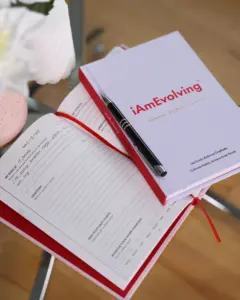
Start your daily practice of gratitude, goals, and growth.
Get the Journal →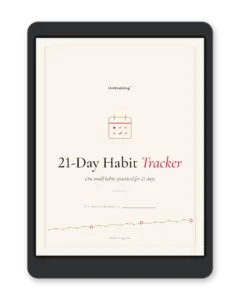
A free 21-day habit tracker PDF with daily check-ins, guided reflection prompts, and mindset reminders. Clean, minimal, and printable.
ExploreFAQ: Night Journaling
How long should I write at night?
What if my mind feels too busy to write?
Can I combine night journaling with meditation?
Does journaling really help improve sleep?
What is sleep meditation in journaling?
Is night journaling good for anxiety?