Journaling After Moving to a New City: Finding Your Ground

Moving to a new city scrambles the small certainties that used to hold your days together, from the route you drove on autopilot to the face of the barista who knew your order. Journaling after moving to a new city is one of the most reliable ways to rebuild a sense of ground, because writing gives your mind a fixed place to return to while everything around you is still unfamiliar. The page does not change when your address does, and that steadiness matters more than most people expect.
This guide is for anyone who has unpacked the last box and felt the quiet that follows, the mix of possibility and disorientation that comes with a fresh start. You will learn how to use a notebook to process what you left behind, map your new surroundings, build a routine that holds, and set intentions for the chapter ahead. None of it requires perfect handwriting or a beautiful journal. It only asks for a few honest minutes a day.
Why Journaling After Moving Helps You Find Your Ground
A move is one of the most stressful life events a person can choose, ranking alongside major transitions like a new job or the start of a relationship. Part of the strain is cognitive. Your brain spent years building mental maps of your old life, and relocating wipes most of them clean at once. Journaling after moving works because it externalizes that overwhelm. When you write down what you are carrying, your mind no longer has to hold every loose thread on its own, and the simple act of journaling for emotional clarity turns a swirl of feeling into something you can actually read back.
There is a calming effect too. Research on expressive writing, pioneered by social psychologist James Pennebaker, has found that writing about difficult experiences for around fifteen minutes over a few days can measurably lower stress and improve sleep, both of which take a hit during a relocation. You do not need to journal about the move itself every time. Often the relief comes from writing about anything at all, because the practice reminds your nervous system that some part of your life is still steady and within your control. That sense of control is precisely what a move strips away, and journaling is one of the few ways to hand a piece of it back to yourself each morning, no matter how unsettled the rest of the day might feel.
I’ve kept a journal through my own share of upheaval, and the one thing that’s stayed true across every version of my life is that the page doesn’t move when my circumstances do. In the most unsettled stretches, five honest minutes in a notebook each morning was often the first stable thing in my day, before anything else fell into place. That’s the steadiness I want this practice to give you, however unfamiliar everything around you feels right now.
Name What You Left Behind
Before you can settle into a new place, it helps to honor the one you left. A surprising amount of post-move heaviness comes from grief that never got named. You did not only leave a city. You left a version of your daily life, a set of friendships in their easy form, and the comfort of knowing exactly where things were. Pretending none of that mattered does not speed up the adjustment. It usually slows it down.
Give the loss a page. Write about the corner cafe, the friend you could call on ten minutes notice, the way the light came through your old window. Let yourself miss it on paper instead of carrying it silently. This is not about staying stuck in the past. It is about closing a chapter cleanly so the next one has room to begin.
- What three things about my old city do I miss most, and why?
- Who or what am I grieving that I have not let myself name yet?
- What am I relieved to leave behind?
Map Your New City on the Page
One reason a new city feels alien is that nothing in it has a story yet. Every street is just a street. Journaling speeds up the process of making a place your own by helping you collect small, specific memories instead of waiting for them to accumulate by chance. Each evening, write down one new thing you noticed that day, however minor. The park bench with the good view. The shortcut you discovered. The neighbor who held the door.
Within a few weeks, those entries become a record of your city coming to life. You start to feel the difference between visiting a place and living in it. If you want structure, keep a running list of firsts: your first meal out, your first walk without directions, your first familiar face. Naming these moments tells your brain that you are not just passing through. You are building a life here, one observation at a time, and that mindset shift is exactly what reflective writing is designed to support.
Get more like this, every week
Build a Small Daily Routine in Unfamiliar Surroundings
When your external world is in flux, an internal routine becomes an anchor. You may not know where the best coffee is yet, but you can decide that every morning starts with a few written lines. A consistent morning journaling routine gives the day a familiar opening even when the city outside is brand new, and that small ritual often becomes the first stable thing in your fresh start.
Keep the habit easy enough to survive a chaotic week. Five minutes is plenty. Anchor it to something you already do, like your first cup of coffee or the moment before you turn off the light. The goal is not an impressive practice but a dependable one, and learning to build a journaling habit that holds through disruption is one of the most useful skills a move can teach you. Consistency, not intensity, is what turns a notebook into ground you can stand on.
Set Intentions for Your New Chapter
A move is a rare clean slate, and journaling is where you decide what to do with it. Most people never pause to ask who they want to become in a new place. They simply rebuild their old life in a new location out of habit. A few quiet pages can change that. Ask yourself what you want this chapter to feel like, what you want to try now that no one here has expectations of you, and what you want to leave in the past.
Then make it concrete. The practice of writing down your intentions turns a vague hope for a better start into something your daily choices can point toward. Write them in the present tense, as if the new version of your life is already underway. Revisit them weekly. A new city will not change you on its own, but paired with clear intentions and a steady page, it becomes the setting for a genuine evolution rather than just a change of scenery.
- Who do I want to become now that I have a fresh start?
- What is one habit I want to begin in this new city?
- What kind of community do I want to build here, and what is one step toward it this week?
Journaling Prompts for Your First Thirty Days
The hardest part of journaling after a move is often the blank page itself. When your mind is tired from logistics and low on familiar comforts, open-ended writing can feel like one more thing to figure out. Prompts solve that. They hand you a starting point so all you have to do is answer honestly. Below is a month of prompts you can work through in any order, one a day or whenever you need a way back to yourself.
- What did this new city teach me about myself today?
- What small thing went better than I expected this week?
- When did I feel most like a stranger here, and what would help me feel less so?
- What am I proud of myself for handling since I arrived?
- What does home actually mean to me, separate from any specific place?
- Who could I reach out to this week, even briefly, to start building connection?
That last prompt matters more than it looks. The loneliness of relocating is real, and it tends to sit quietest in the first month when your old support system is far away and your new one does not exist yet. Writing about it does not replace human connection, but it keeps the ache from going underground. Each time you name the loneliness and pair it with one small action, you turn a heavy feeling into a next step. Over a few weeks of doing this, most people notice the entries shifting on their own, from what they miss toward what they are slowly starting to love.
Conclusion
Finding your ground after a move is not something that happens to you. It is something you build, slowly, in the small moments you choose to pay attention. A notebook will not unpack your boxes or introduce you to your neighbors, but it will give your mind a steady place to stand while the rest of your life catches up. If you are still in the disoriented early days, you are not behind. You are exactly where every settled person once was. Start with five honest minutes today, and let the page be the first thing in your new city that already feels like home. If you want a fuller roadmap, the complete journaling guide walks you through building a practice that lasts.
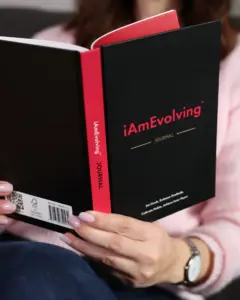
Start your daily practice of gratitude, goals, and growth.
Get the Journal →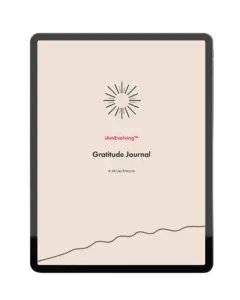
A free 30-day gratitude journal designed for a simple daily practice. Calm, minimal, and printable to help you slow down and reflect.
ExploreFrequently Asked Questions
How soon after moving should I start journaling?
What should I write about when I move to a new city?
Can journaling really help with the loneliness of relocating?
How long does it take to feel settled after a move?
What is a good journaling routine for someone who just relocated?