How to Start a Self-Care Journal and Actually Stick With It

Life moves fast. Between responsibilities, stress, and constant noise, it’s easy to forget to pause and take care of yourself. A self-care journal helps you slow down: to listen, reflect, and reconnect with who you are. It’s not about perfection or long writing sessions; it’s about creating space for your thoughts, emotions, and growth.
If you’ve ever said, “I want to take better care of myself, but I don’t know where to start,” this guide will walk you through everything: from setting up your self-care journal to building a daily habit that actually lasts.
If you want a complete guide that helps you build a journaling practice rooted in self-care, clarity, and emotional grounding, explore my full guide on The Ultimate Journaling Guide. It will support you in creating a journaling ritual that feels nourishing, sustainable, and aligned with your well-being.
What Is a Self-Care Journal?
A self-care journal is more than just a notebook. It’s a personal space where you can check in with your emotions, track your needs, and remind yourself that your well-being matters.
It can include:
- Reflections on how you feel mentally and physically
- Notes about what drained or inspired you today
- Gratitude lists or affirmations
- Boundaries you want to strengthen
- Habits you want to build for inner balance
Over time, this small practice becomes a mirror: helping you recognize patterns, celebrate progress, and grow with compassion.
Why Self-Care Journaling Works
Writing has a proven grounding effect on the nervous system. Studies show that journaling reduces anxiety, helps process emotions, and strengthens emotional resilience. But what makes self-care journaling powerful is its focus on kindness and awareness.
Instead of asking “What’s wrong with me?”, it shifts your focus to “What do I need right now?”
That change in perspective rewires your mindset: from self-criticism to self-nurturing.
The Benefits of Keeping a Self-Care Journal
The real value of a self-care journal shows up over weeks, not minutes. When you write about your needs and feelings regularly, you give your mind a steady place to unload, which lowers the mental clutter that feeds stress and overwhelm. The importance of a self-care journal becomes clear once you notice how a few quiet minutes on the page change the rest of your day. Here are the benefits people tend to notice most:
- Clearer emotions: naming what you feel makes it easier to manage instead of carrying it silently.
- Stronger self-awareness: patterns in your mood, energy, and triggers become visible on the page.
- Gentler self-talk: writing with kindness slowly replaces the inner critic with an inner ally.
- Steadier habits: tracking your routines keeps your well-being from slipping to the bottom of the list.
- A record of growth: rereading old entries reminds you how far you have already come.
These shifts are quiet, but they add up. Research on expressive writing links the simple act of putting feelings into words with lower stress and better emotional processing, which is why a self-care journal works as more than a feel-good ritual. If easing tension is your main goal, it helps to understand how journaling reduces stress and calms an overactive mind.
How to Start a Self-Care Journal
1. Choose Your Journal
Pick something that feels good to open every day. The iAmEvolving™ Journal is designed exactly for this purpose: to guide you through gratitude, habits, goals, and inner peace. Its structure helps you reflect without pressure and stay consistent.
If you prefer another format, that’s fine too: the best journal is the one you’ll use.
2. Set a Clear Intention
Before you write, ask yourself:
“What do I want this journal to help me with?”
Maybe it’s to feel calmer, reconnect with your purpose, or track your energy. Write that intention on the first page. Every time you open your journal, you’ll know why you’re doing it.
3. Create a Ritual, Not a Rule
Consistency grows from gentleness, not pressure.
- Pick a time of day that feels natural: morning reflection, lunch break, or bedtime wind-down.
- Light a candle, sip tea, or play soft music.
- Keep your sessions short (5–10 minutes is enough).
It’s better to write for five mindful minutes daily than for an hour once a month.
4. Start With Prompts (When You Feel Stuck)
Some days, words won’t come easily: and that’s okay. Try one of these prompts:
- What’s one thing I can do today to support my well-being?
- What drained my energy this week?
- What made me feel at peace today?
- What boundary do I need to set or strengthen?
- What am I grateful for right now?
Writing even a few sentences helps clear mental fog and reconnect with yourself.
5. Track Your Mood and Energy
You can add a simple section for mood tracking. Use a scale (1–10) or draw a small emoji next to each entry. Over time, you’ll notice how your choices, habits, and people affect your emotional balance: giving you data for better self-care decisions.
6. Include Affirmations and Gratitude
End each entry with one affirmation or gratitude line.
It might sound small, but it’s incredibly powerful:
“I am learning to take care of myself.”
“I am grateful for the progress I’ve made.”
This reinforces a positive feedback loop: gratitude grounds you, while affirmations strengthen your confidence.
Self-Care Journal Ideas to Try
Once your journal feels familiar, you can move past plain daily entries and shape it around what you actually need. Creating a self-care journal is less about following rules and more about choosing pages that support you. These ideas help you make it your own:
- A self-care menu: a running list of small things that restore you, from a short walk to a warm bath, so you always have options on hard days.
- A weekly check-in: every Sunday, note what drained you, what refilled you, and one gentle change for the week ahead.
- A boundaries page: write the limits you want to protect and the words you can actually use to hold them.
- A “wins” log: collect small victories and moments of pride that are easy to forget by the end of a busy week.
- A comfort list: the songs, people, places, and rituals that help you feel safe and steady.
You can keep these as separate sections or weave them into your daily writing. If you want layouts designed around women’s routines and reflection, the self-care journal for women guide offers more structured ideas. And on days when a blank page feels heavy, a set of mindfulness journaling prompts can help you slow down and reconnect with the present moment.
How to Stay Consistent
Many people stop journaling because they think they’re “doing it wrong.” The truth is, there’s no right way: only your way. The iAmEvolving™ Guidebook is designed to help you understand what you’re doing and why: offering clear guidance, reflection examples, and gentle direction so you can build a mindful journaling practice that feels natural and meaningful to you.
Here are some gentle reminders:
- Missed a day? No guilt: just start again tomorrow.
- Keep your journal visible (on your desk or nightstand).
- Pair it with an existing habit, like morning coffee or evening tea.
- Revisit your earlier entries: you’ll see how much you’ve grown.
The Best Self-Care Journals to Try
If you’re looking for structure and inspiration, these are beautiful options to begin with:
- iAmEvolving™ Journal – Designed to combine gratitude, goals, and habits with inner reflection. A meaningful daily practice for personal growth.
- Lavender & Rose Variants – Ideal for calming energy and emotional grounding.
- Simple Blank Notebook – Perfect for those who prefer free writing or sketching.
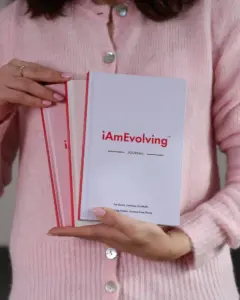
Start your daily practice of gratitude, goals, and growth.
Get the Journal →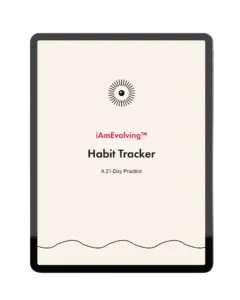
A free 21-day habit tracker PDF with daily check-ins, guided reflection prompts, and mindset reminders. Clean, minimal, and printable.
ExploreClosing Thoughts
Self-care isn’t selfish. It’s how you refuel so you can keep showing up for your life.
Your journal is not just a book of words; it’s a safe space to understand yourself, forgive yourself, and grow.
So take a moment, open your notebook, and start with one line:
“Today, I choose to take care of myself.”
Your journey starts there.
If you’re exploring more ways to grow through journaling, check out:
- Daily Journal for Women: Create a Morning Ritual That Transforms Your Mindset
- Gratitude Journal for Women: How Daily Reflection Builds Inner Peace
- I AM Affirmations for Self-Love and Inner Strength
Journaling isn’t just an act of writing. It’s an act of care. Each page gives you space to reconnect with yourself and release what no longer serves you. To explore more ways journaling can support your emotional well-being, visit Journaling for Mental Health.
Get more like this, every week
How often should I write in my self-care journal?
What should I write about in a self-care journal?
Can I use the iAmEvolving Journal for self-care?