How to Build a Journaling Habit That Lasts

Most people start journaling with good intentions, but few make it past the first week. Most of the time, what they’re missing is a structure that makes the habit feel rewarding.
A lasting journaling habit comes from creating a practice that fits you, without forcing yourself to write. When you make journaling simple, personal, and emotionally engaging, it becomes something you naturally return to, not something you have to “find time” for. If you’re just beginning, here’s how to start journaling for self-improvement in a way that feels aligned with your daily life.
Understand Your “Why”
Before you begin, take a moment to ask yourself: Why do I want to journal? Do you want to find clarity? Reduce stress? Build new habits? Feel more grateful? Your “why” is your foundation. When you lose motivation, this is what keeps you anchored.
Tip: Write your “why” on the first page of your journal. It becomes your compass whenever you drift off course.
Start Simple, Stay Consistent
The best way to build a journaling habit is to lower the barrier to entry. Start with one or two lines a day:
- In the morning, write one intention for the day.
- In the evening, list one thing you’re grateful for.
- On busy days, just jot down a single word that captures how you feel.
Presence matters more than pages. Over time, those small reflections grow into deep understanding. The iAmEvolving Journal combines gratitude, goals, and habits to make this process effortless and intuitive.
Stack It Onto an Existing Routine
A trigger will do more for you than extra willpower. Attach journaling to something you already do:
- After your morning coffee
- Right before bed
- During your lunch break
This technique, called habit stacking, helps your brain form automatic associations. You’ll reach for your journal without even thinking about it.
Create an Inviting Space
Where you write affects how you feel. Choose a quiet, comfortable spot, by a window, with soft light or calm music. This becomes your mental “signal” that it’s time to slow down and reconnect. Even a five-minute ritual can turn into a sacred pause that grounds your entire day.
Reflect Weekly
Consistency builds confidence, but reflection builds growth. Once a week, flip through your pages and notice patterns. You might also try gratitude prompts to expand your awareness and help you see recurring emotions and themes more clearly.
- What emotions repeat?
- What wins can you celebrate?
- What lessons keep showing up?
This is how you connect with your evolution instead of just documenting your days. The Guidebook included in the iAmEvolving™ Journal helps you understand these patterns, so you can see not just what you wrote, but how you’ve grown.
Be Kind to Yourself
Forget the perfect streak and just keep returning, again and again. Some days, your words will flow. Other days, you’ll feel blank. Both are part of the process. Journaling isn’t about being productive. It’s about being present. Each time you show up, you’re strengthening your self-awareness. That’s how real change happens.
Each page you fill is more than writing. It’s a mirror reflecting who you’re becoming.
Mini 7-Day Challenge
Want to make your habit stick? Try this simple exercise to create lasting momentum.
| Day | Prompt |
|---|---|
| 1 | What made me smile today? |
| 2 | One thing I’m grateful for right now |
| 3 | A thought I want to let go of |
| 4 | Something I accomplished this week |
| 5 | One small way I can show self-care |
| 6 | Who or what supported me recently? |
| 7 | What’s one lesson I’ve learned this week? |
Do this for seven days straight. You’ll feel the shift. As you build momentum, look at tools like the best personal development journals to keep your growth inspired and organized.
Steps to Cultivate a Daily Mindfulness Journaling Habit
A daily mindfulness journaling habit is built in small, deliberate moves, not in one burst of motivation. The point is to pair writing with presence, so each entry slows your mind instead of adding one more task to your list. Follow these five steps and the practice starts to feel like a place you go to breathe, not a box you check.
- Anchor it to a fixed cue. Decide on one moment that already happens every day, such as your first cup of coffee, and write there. The cue removes the daily decision of when to start.
- Take three slow breaths first. Before the pen touches the page, breathe in for four counts and out for six. This signals your body that reflection, not performance, is about to begin.
- Write what is true right now. Name the feeling, the tension, or the small gratitude present in this moment. Mindful journaling describes the present rather than rehearsing the past.
- Keep it to five minutes. A short, repeatable session protects the habit. You can always write more, but you should never need to.
- Close with one intention. End each entry with a single line for how you want to carry yourself forward. It turns reflection into clear direction.
If you want structure for this kind of practice, a set of mindfulness journaling prompts gives you a calm starting point on the mornings when your mind feels too noisy to know where to begin.
What Makes a Journaling Habit Stick
Research on habit formation found that new behaviors take an average of 66 days to feel automatic, and journaling is no different. A journaling habit sticks when the practice is small enough to repeat on your worst day, not just your best one. Most people abandon journaling because they aim for long entries and quit the first time life gets busy. The fix is to lower the bar until showing up is almost effortless.
Three things protect a habit over the long run. The first is a consistent cue, so the behavior is triggered by your environment rather than your willpower. The second is a low minimum, where one honest sentence counts as a complete entry. The third is a visible streak, because watching the days accumulate creates its own quiet momentum. These are the same principles behind how to build habits that stick in any area of life, and they apply just as cleanly to the page.
Structured Journaling vs Free Writing
If you are choosing between structured journaling and open free writing, structure wins for building the habit and free writing wins for depth once the habit is established. Structured journaling gives you a prompt, a format, or a guided layout, which removes the blank-page hesitation that stops most beginners. Free writing, where you let your thoughts run without direction, is valuable but harder to sustain when you are still learning to show up daily.
A practical path is to begin structured and earn your way into freedom. Start with a simple daily layout, then leave a few blank lines at the bottom for whatever wants to surface. Building this into a dependable morning journaling routine means the structure carries you on tired days while the open space lets the deeper reflections arrive on their own.
Final Thoughts
Building a journaling habit isn’t about discipline. It’s about connection. When journaling becomes part of your rhythm, it stops feeling like effort and starts feeling like alignment. The iAmEvolving™ Journal helps you stay consistent by guiding your thoughts, grounding your emotions, and reminding you daily that progress is personal, and it begins with you.
If you want a complete structure that supports your journaling habit and helps you stay consistent long term, read my full guide on The Ultimate Journaling Guide. It will show you how to build a practice that feels natural, sustainable, and aligned with your daily life.
Building a journaling habit has more to do with creating a rhythm that feels natural than with discipline. When writing becomes part of your day, reflection turns into second nature. For more ways to bring journaling into your daily rituals, visit Journaling Routines & Daily Practice.
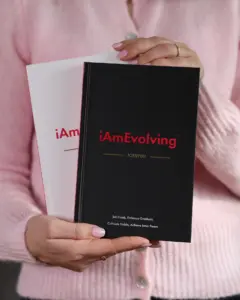
Start your daily practice of gratitude, goals, and growth.
Get the Journal →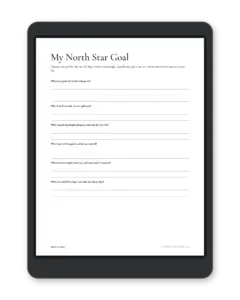
A free 30-day goal setting journal PDF with daily prompts, action steps, and reflection space. Printable, minimal, and designed to keep you focused on…
ExploreGet more like this, every week
How long should I write each day?
What time of day is best for journaling?
What if I miss a few days?
Can I use journaling to manage stress or anxiety?