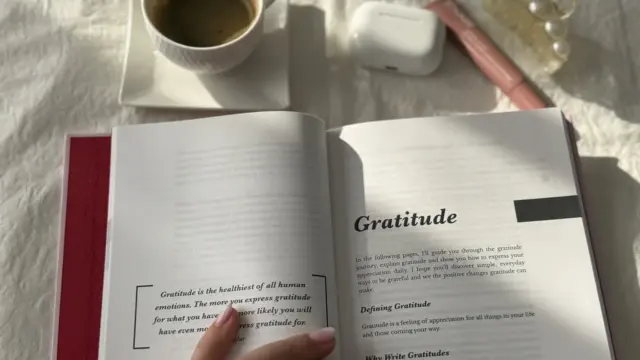
Gratitude Foundations — The Science and Soul of Thankfulness
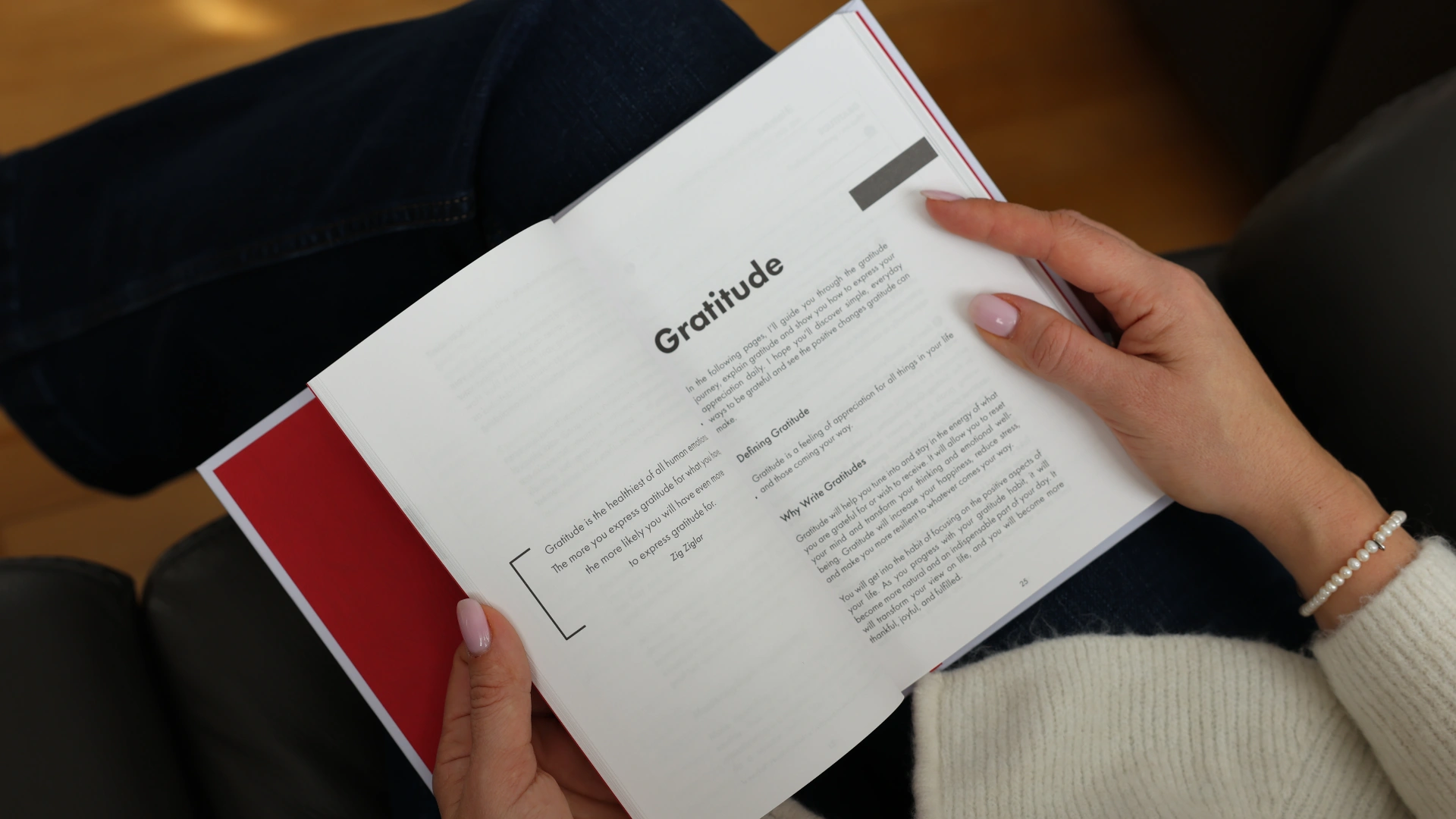
Gratitude Foundations — The Science and Soul of Thankfulness
There was a time when I didn’t fully understand the quiet power of gratitude. I thought of it as something soft — a pleasant thought, a nice gesture — not realizing that it was, in truth, one of the strongest tools for transformation I would ever discover. Gratitude is not a trend or a quick fix. It’s a way of seeing life that gently reshapes everything from the inside out.
In the iAmEvolving Journal, gratitude forms one of the four core foundations because it is the emotional compass that anchors our days. It trains awareness, brings presence to the moment, and rewires the mind to focus on what’s already working instead of what’s missing. Gratitude isn’t a distraction from hardship — it’s the clarity that allows you to move through it with perspective.
Why Gratitude Matters
When you begin to notice the good that already exists, your perception shifts. Gratitude doesn’t erase difficulty, but it gives it meaning. It transforms life from a series of tasks into an unfolding experience. When practiced daily, gratitude becomes a stabilizing force — an emotional foundation that softens reactivity, calms anxiety, and heightens presence.
Science confirms what many spiritual and mindful traditions have long understood: regular gratitude practice literally reshapes the brain. Studies from the University of California, Berkeley and Harvard Medical School show that consistent gratitude journaling activates areas of the brain responsible for empathy, joy, and emotional regulation. It also reduces activity in the amygdala, the center of stress and fear responses. Simply put — gratitude helps you feel grounded and safe within your own life.
The Science Behind Gratitude
Neurologically, gratitude releases dopamine and serotonin — two neurotransmitters that enhance mood, improve sleep, and increase resilience. Over time, the brain begins to associate noticing positive experiences with reward. What starts as an intentional practice soon becomes a natural perspective.
According to research published in Frontiers in Psychology, individuals who kept a daily gratitude journal for just 21 days reported greater optimism, reduced stress, and more satisfaction with their lives. The brain literally learns to look for what’s good — strengthening neural pathways that favor contentment and appreciation.
To explore more about how gratitude interacts with the brain and mindset, read The Benefits of Daily Gratitude Journaling (Backed by Science). It’s a powerful look at the evidence behind this simple but profound daily ritual.
Get more like this, every week
Gratitude Beyond Positivity
True gratitude is not about pretending everything is fine. It’s not blind optimism or denial. Gratitude invites honesty. It allows you to hold pain and beauty at once. In times of struggle, it says, “I am still here. There is still something to appreciate.” This balance — between what hurts and what heals — is what keeps us emotionally resilient.
When we practice gratitude consciously, we are not ignoring difficulty; we are integrating it. Gratitude says: even this challenge has something to teach me. Even in loss, there can be love. Even in uncertainty, there can be trust.
“Gratitude turns what we have into enough.”
— Aesop
The Emotional Architecture of Gratitude
Every time you write what you’re grateful for, you’re doing more than listing pleasant moments — you’re rebuilding the architecture of your inner world. Gratitude strengthens emotional stability because it creates continuity: it reminds you that no matter what changes externally, there is always something steady internally.
Gratitude nurtures patience. It trains you to observe without judgment and to respond with intention. This is why gratitude serves as the emotional regulation layer in the iAmEvolving framework — it connects directly with Inner Harmony, guiding you to stay centered when life feels unpredictable.
How to Build a Gratitude Mindset
Gratitude begins in awareness. It doesn’t require more time — only more attention. Try noticing three things each day that bring you peace, comfort, or appreciation. Write them down in the iAmEvolving Journal. The act of writing — of slowing down to name what’s good — is what creates transformation.
Over time, you’ll start to see how gratitude weaves through your day. A kind word from a friend, sunlight through a window, the small victories that often go unseen. Each moment becomes a reminder that joy isn’t something we chase — it’s something we uncover.
If you’re new to gratitude journaling, you can begin with How a Gratitude Journal Can Transform Your Mindset. It explains how structured reflection helps you shift focus and experience more clarity and calm.
Common Myths About Gratitude
1. Gratitude means ignoring problems.
False. Gratitude helps you acknowledge both the good and the difficult. It’s not an escape; it’s a grounding practice that lets you see challenges in context.
2. Gratitude must feel big to be real.
False. The most powerful gratitude moments are often the smallest — noticing breath, silence, or the comfort of routine. Consistency matters more than intensity.
3. Gratitude comes naturally to some people.
False again. Gratitude is a learned skill. Like any muscle, it grows through repetition. The more you practice, the more natural it becomes.
Integrating Gratitude Into Daily Life
Gratitude doesn’t live only in your journal — it lives in how you speak, notice, and respond. You can integrate it throughout the day in small ways:
- Begin your morning by silently naming three things you appreciate before reaching for your phone.
- Pause before meals to recognize nourishment and presence.
- Write one sentence of gratitude at the end of your workday.
- Before bed, reflect on one lesson or moment that made the day meaningful.
Each small ritual becomes a quiet reset — an act of returning to awareness. This is how gratitude stops being a task and becomes part of who you are.
Gratitude and Growth
Gratitude strengthens your relationship with growth itself. It teaches patience — a deep understanding that evolution takes time. Gratitude lets you celebrate progress, even when results are not yet visible. It reminds you that growth doesn’t always look like movement; sometimes it’s the stillness before change.
In personal development, this perspective is essential. Without gratitude, goals become pressure. With gratitude, they become purpose. Gratitude softens ambition with peace — allowing progress to unfold with grace rather than strain.
Closing Reflection
Gratitude isn’t something to achieve; it’s something to remember. Every day you have an opportunity to return to the present moment, to the small details that make life whole. This is the essence of the Gratitude Foundation — a mindset that transforms daily awareness into daily peace.
If you want to deepen your gratitude journey and anchor it in consistent practice, the iAmEvolving Journal offers a dedicated space to reflect, record, and evolve through thankfulness.
Start your daily practice of gratitude, goals, and growth.
Get the Journal →A gentle 7-day reset to help you slow down, feel steadier, and reconnect — in just 5–10 minutes a day.
Start the ResetA simple introduction to daily journaling — gratitude, goals, and habits made easy.
Learn the MethodGratitude is one of the four core foundations of the iAmEvolving Journal — a daily practice that strengthens awareness, balance, and emotional growth. To explore more guided reflections and journaling practices, visit Gratitude Journaling Guide for Mindful Growth.
Why is gratitude called a foundation in personal growth?
How can I build a daily gratitude habit?