Goal Setting Steps for Beginners: A Clear Path to Real Goals
You have probably tried setting goals before. Maybe you wrote a list at the start of the year, felt motivated for a few weeks, and then watched the energy quietly fade. That is not a discipline problem. It is a clarity and connection problem. Most goal setting steps focus on structure and forget about feeling, which is why so many people lose motivation before anything real changes. And that is where most beginners get stuck — not because they lack ambition, but because no one ever showed them the real foundation of goal setting.
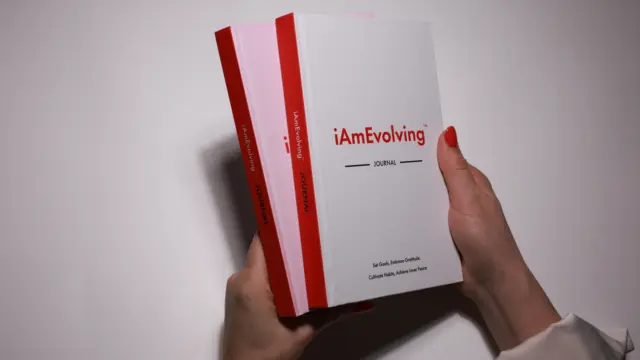
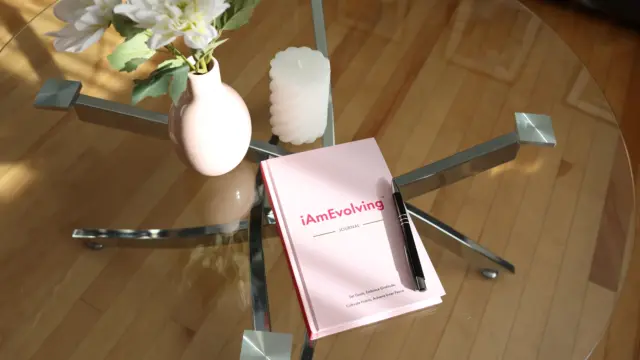
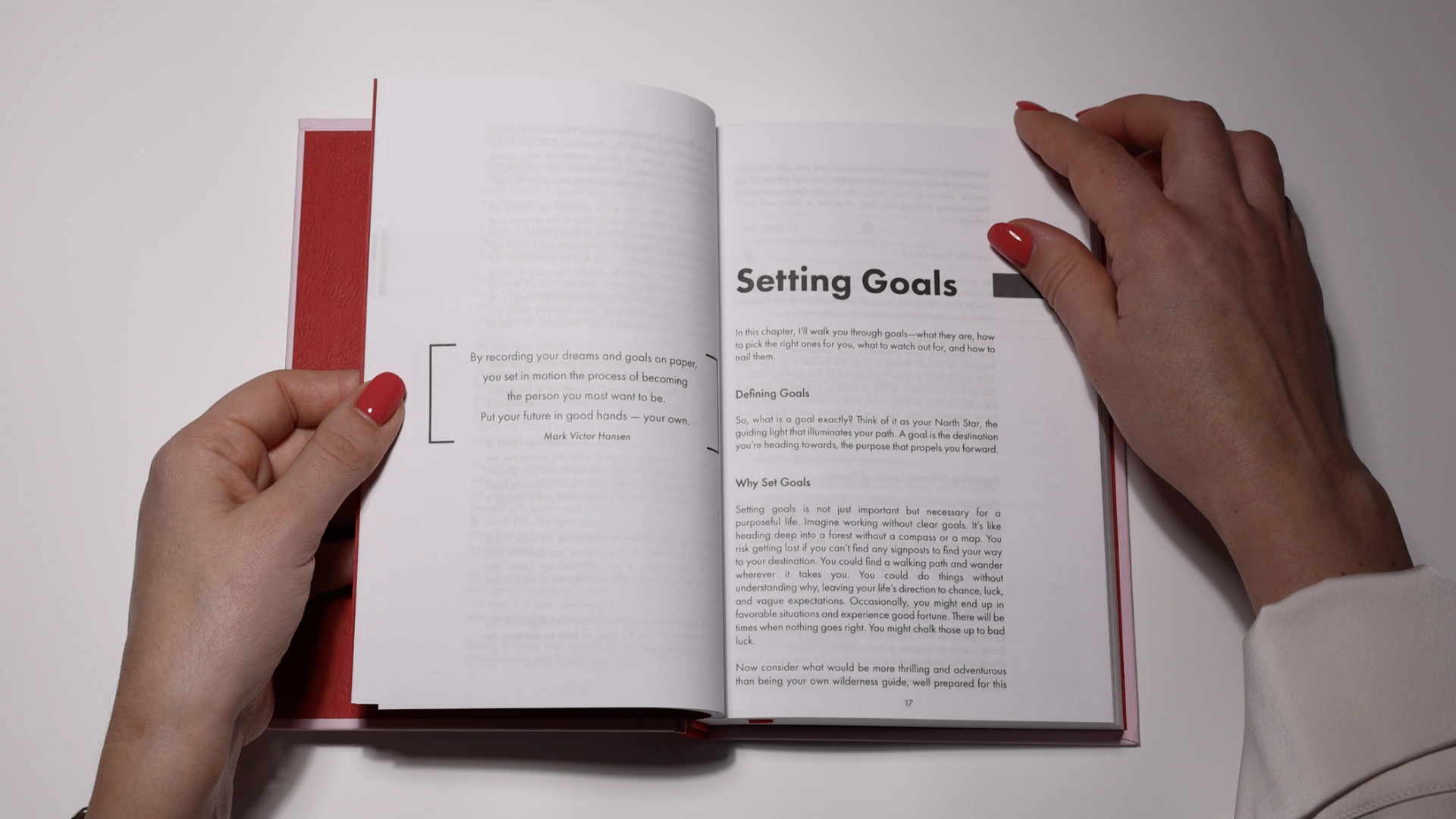
These goal setting steps are different from what you will find in most productivity articles. There are no spreadsheets, no acronyms, no five-year plans pinned to a wall. Instead, you will learn how to set goals rooted in personal clarity, emotional alignment, and daily journaling. This is the approach I use in my own life and the one built into the iAmEvolving Journal. If you are a beginner looking for a way to set goals that actually mean something, this is where you start.
Why Most Goal Setting Steps Miss the Point
Most goal setting advice starts with frameworks. You are told to make your goals specific, measurable, time-bound. You are handed templates and tracking apps. And while structure has its place, those tools miss the emotional foundation that makes a goal worth pursuing in the first place.
Goals that come from the head alone rarely survive. They sound logical on paper but carry no emotional weight. The ones that stick, the ones you think about when you wake up and before you fall asleep, come from a deeper place. They come from genuine desire, not obligation.
When I first started setting goals in 2015, I made every mistake in the book. I copied frameworks from business books. I set goals I thought I was supposed to have. And every time, I burned out within weeks. It was not until I started connecting goals to real feeling, to what I actually wanted my life to look like, that things began to shift. That is the difference between a SMART goal and a heartfelt one. Both have value, but only one will carry you through resistance.
The goal setting process is not about building a perfect system. It is about building a personal connection to your future.
Step One: Get Clear on What You Actually Want
Before you write anything down, you need to stop and ask yourself an honest question: what do I genuinely want? Not what your parents want for you. Not what looks good on social media. Not what you think you should want because someone else has it. What do you want?
This is the starting point of every meaningful goal, and it is where most beginners skip ahead. They jump to the how before they have settled the what. But clarity is the foundation. Without it, you are building on sand.
The iAmEvolving Journal treats goals as deeply personal. Your goals might include a dream home, a life partner, better health, a career that excites you, or a business that gives you freedom. None of these are too big or too bold. They are yours, and that is what matters.
Try this: sit down with a blank page and give yourself ten minutes. Write at the top, “If I could have anything…” and then let yourself dream without judgment. Do not edit. Do not rank. Just write. You might be surprised by what comes through when you stop filtering. This exercise alone can shift your entire approach to how to set a goal. Clarity does not mean having every detail figured out. It means knowing the direction. The complete goal setting guide covers this in more depth, but the first move is always the same, get honest about what you want.
Step Two: Write Your Goal as if It Has Already Happened
This is the technique that changed everything for me, and it is one of the core practices in the iAmEvolving Journal. Instead of writing your goal as a wish or a hope, you write it as if it has already happened. Present tense. First person. Full emotional detail.
Your subconscious mind responds to what you feed it. When you write “I hope to someday have a better career,” your brain registers distance. But when you write “I am thriving in a career I love, waking up excited about the work I do,” something shifts. The words carry weight. Your mind begins to organize itself around that reality.
Here are a few examples from the journal philosophy:
- Dream home: “I am now living in my dream home, a bright, spacious home with a pool where my children play and laughter fills every room.”
- Career: “I am thriving in a career I love, waking up excited about the work I do and the people I serve.”
- Health: “I am healthy, strong, and full of energy. My body feels alive, and I move through each day with vitality.”
- Business: “I am running a successful business that serves others and supports the life I want for my family.”
Notice there is no negative language. You would not write “I will not be broke anymore.” Instead, you write “I am grateful for financial freedom and the abundance that flows into my life.” Your brain does not process negatives well. Tell it what you want, not what you want to avoid.
And here is the part most people skip: feel it. As you write, engage your senses. See the house. Smell the morning coffee in your new kitchen. Hear the laughter. The more vivid the picture, the more your subconscious accepts it as real. Writing your intentions this way is not just an exercise — it is a practice of becoming.
Get more like this, every week
Goal Setting Steps That Include Daily Practice
Writing your goal once is a good start. But the real transformation happens when you return to it every single day. This is not about repetition for the sake of it. It is about reconnection. Every time you sit down and rewrite your goal in present tense, you are choosing that future again. You are telling your mind and your body, this is where I am headed.
Some days the belief comes easily. You write the words and you feel them in your chest. Other days, doubt creeps in. The world feels heavy and the goal feels far away. Those are the days the practice matters most. The act of rewriting does not require perfect faith. It only requires willingness.
If you are a beginner, keep it simple. Pick one goal. Just one. Write it in present tense every morning. Spend two or three minutes feeling it after you write it. That is the entire practice. No apps. No tracking sheets. Just a journal, a pen, and honest desire. These are goal setting steps you can do in five minutes, and they will reshape how you think about your future.
I have rewritten my goals thousands of times. Some mornings the words flow and the feeling is strong. Other mornings it is harder, and I have to dig for the connection. But the practice keeps me aligned. It keeps me moving in the right direction even when the path is unclear. If you want to learn how to set meaningful goals, start with this: write it, feel it, and come back tomorrow. That is how you stay consistent with your goals over time.
Use Visualization to Bring Your Goals to Life
After you have written your goal and felt it on the page, take it one step further. Close your eyes and see it. Visualization is not wishful thinking. It is a deliberate practice of engaging all your senses in the reality you are creating.
Try this simple exercise: close your eyes. Where are you? What does the room look like? Who is with you? What sounds do you hear? How does your body feel in that moment? Stay there for two minutes. Let the image become more vivid with each breath. Let yourself be in it, not watching from the outside, but living it.
There is real science behind why this works. Your brain has a system called the reticular activating system, or RAS. It acts as a filter for the millions of pieces of information hitting your senses every day. When you repeatedly visualize something, your RAS begins to filter for opportunities, resources, and ideas that align with that vision. It is not magic. It is focus. And it works the same way whether you are looking for a red car or looking for your next career move.
The power of visualization is something you can experience right now, today. Pair it with your daily writing practice and you give your goals two channels of entry, through the hand and through the mind. Together, they create a momentum that is hard to break.
Faith, Patience, and the Person You Become
If you are just starting out, there is a fear that almost always shows up: what if it does not work? What if I write my goal every day and nothing changes? This is natural. And the honest answer is that goals do not always arrive on schedule.
The iAmEvolving Journal teaches something important about this. When you set a target date for your goal, treat it as a guide, not a verdict. If the date passes and the goal has not materialized, do not stop. Keep writing. Keep feeling. Keep showing up. Because the date was always just an estimate. The work you are doing, the daily practice, the emotional alignment, the clarity, that is what creates change.
I have set goals that took twice as long as I expected. Some arrived in ways I never predicted. But who I became in the process mattered far more than the goal itself. That is the part nobody talks about. The goal gives you direction, but the journey shapes your character. More important than the goal is how you evolve after attaining it, and who you become while pursuing it.
So if you are a beginner, let go of the need for it to work perfectly right away. Trust the practice. Let it grow you.
Conclusion
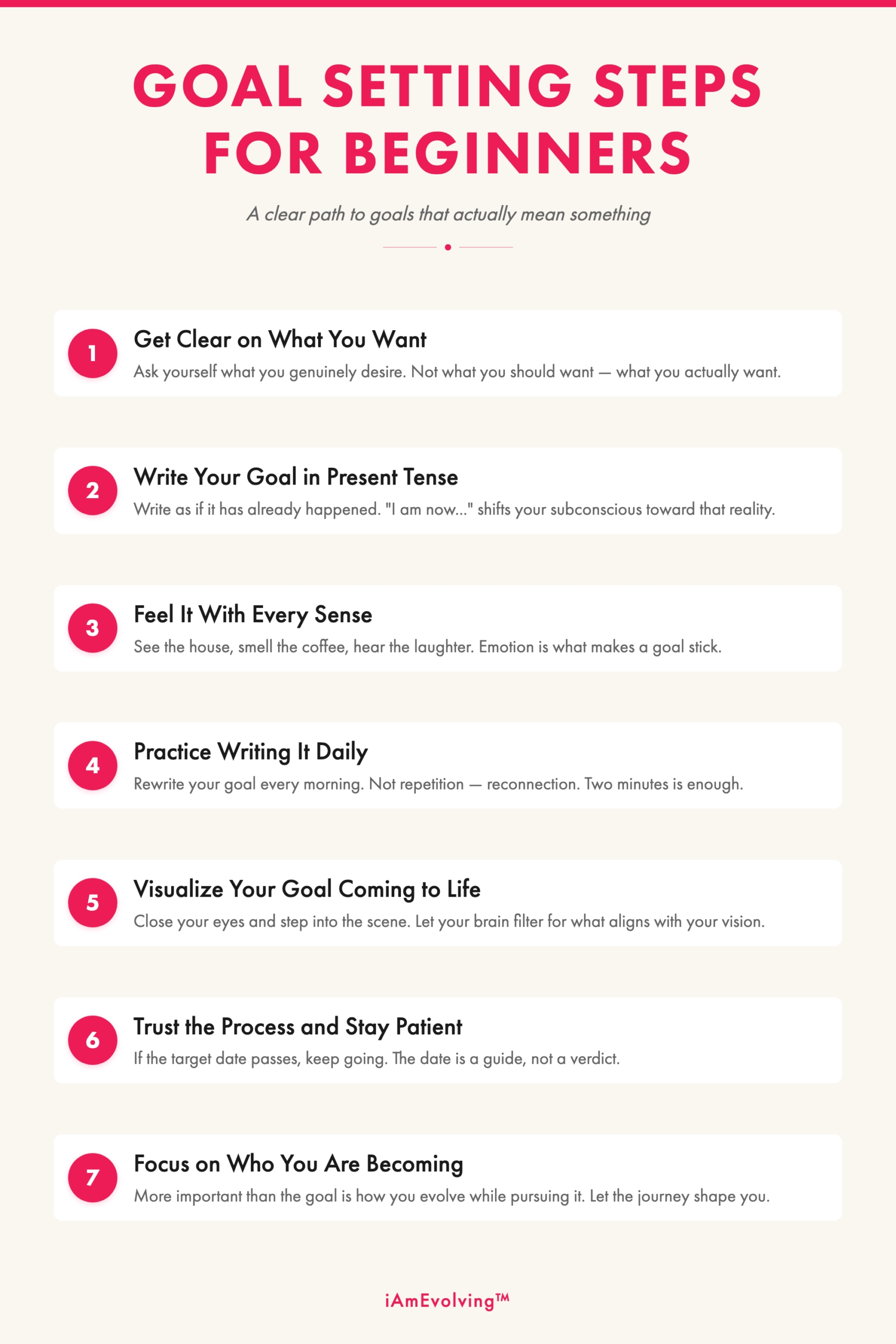
Real goal setting is simpler than most people make it. Get clear on what you genuinely want. Write your goal in present tense as if it has already happened. Feel it with every sense. Return to it every morning with pen in hand. Visualize the life you are writing into existence. And trust the process, even when results take longer than you hoped.
These goal setting steps are not about productivity. They are about alignment. They are about creating a daily conversation between who you are now and who you are becoming. If you are looking for a tool designed for exactly this kind of practice, the iAmEvolving Journal was built for it, every page invites you to write your goals, connect with them emotionally, and evolve one day at a time. And if journaling is new to you, start with the basics of how to start journaling and build from there.
Start your daily practice of gratitude, goals, and growth.
Get the Journal →A gentle 7-day reset to help you slow down, feel steadier, and reconnect — in just 5–10 minutes a day.
Start the ResetA simple introduction to daily journaling — gratitude, goals, and habits made easy.
Learn the MethodFrequently Asked Questions
How many goals should a beginner start with?
Do I need to rewrite my goal every single day?
What if my goal changes over time?
Is it better to set SMART goals or emotional goals?