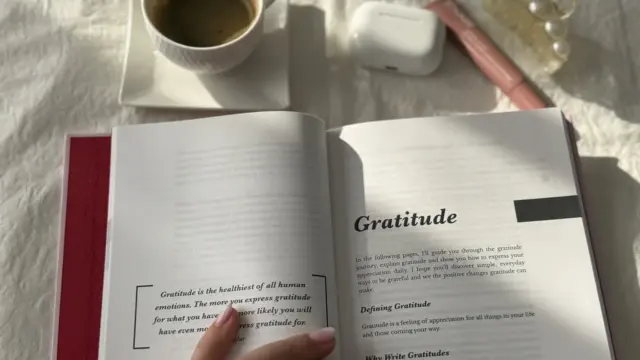
How to Start a Grateful Journal (Simple Guide)
A grateful journal is a notebook dedicated to writing daily reflections on what you appreciate — a simple practice that anchors you in awareness and peace. In a world overflowing with noise, it offers a moment of stillness and perspective.
When you begin journaling your gratitude, you’re not just documenting your days — you’re retraining your attention. Gratitude reframes perception, shifting your energy from lack to abundance, from hurry to harmony. Over time, this daily ritual strengthens emotional resilience, softens mental noise, and helps you reconnect with what truly matters.
Starting a grateful journal is one of the simplest ways to bring peace and perspective into your day. If you’re new to this practice, begin with the Gratitude Journaling Guide — it lays the foundation for mindful appreciation and lasting emotional balance.
What Is a Grateful Journal?
A grateful journal — sometimes called a gratitude journal — is more than a notebook. It’s a mirror for the mind. It’s a space where you record moments, lessons, or simple observations that make life meaningful. You might write about a sunrise, a kind word, or a challenge that helped you grow. These entries gradually rewire the brain’s default settings from stress to appreciation.
Unlike traditional diaries that focus on external events, a grateful journal draws attention inward. It trains your awareness to see beauty in imperfection and purpose in ordinary life. Over time, this gentle redirection creates emotional stability — not through force, but through presence.
Gratitude turns what we have into enough. — Anonymous
Why Gratitude Journaling Matters
Gratitude is more than a feeling — it’s a practice of perception. When you write what you’re thankful for, you teach your brain to notice more of what’s good. Neuroscience calls this the reticular activating system — a network that filters attention. Each time you acknowledge something positive, you strengthen that network, making it easier to see goodness next time.
According to research in Frontiers in Psychology and The Journal of Positive Psychology, those who practice daily gratitude experience lower anxiety, better sleep, and improved emotional regulation. It’s not about denying hardship — it’s about holding two truths at once: “Things are hard, and I still have something to be thankful for.”
Gratitude acts as emotional alchemy — it doesn’t erase challenges, but transforms your relationship with them. By writing daily, you slowly replace the mind’s habit of reaction with reflection.
How to Start a Grateful Journal
1. Choose Your Journal
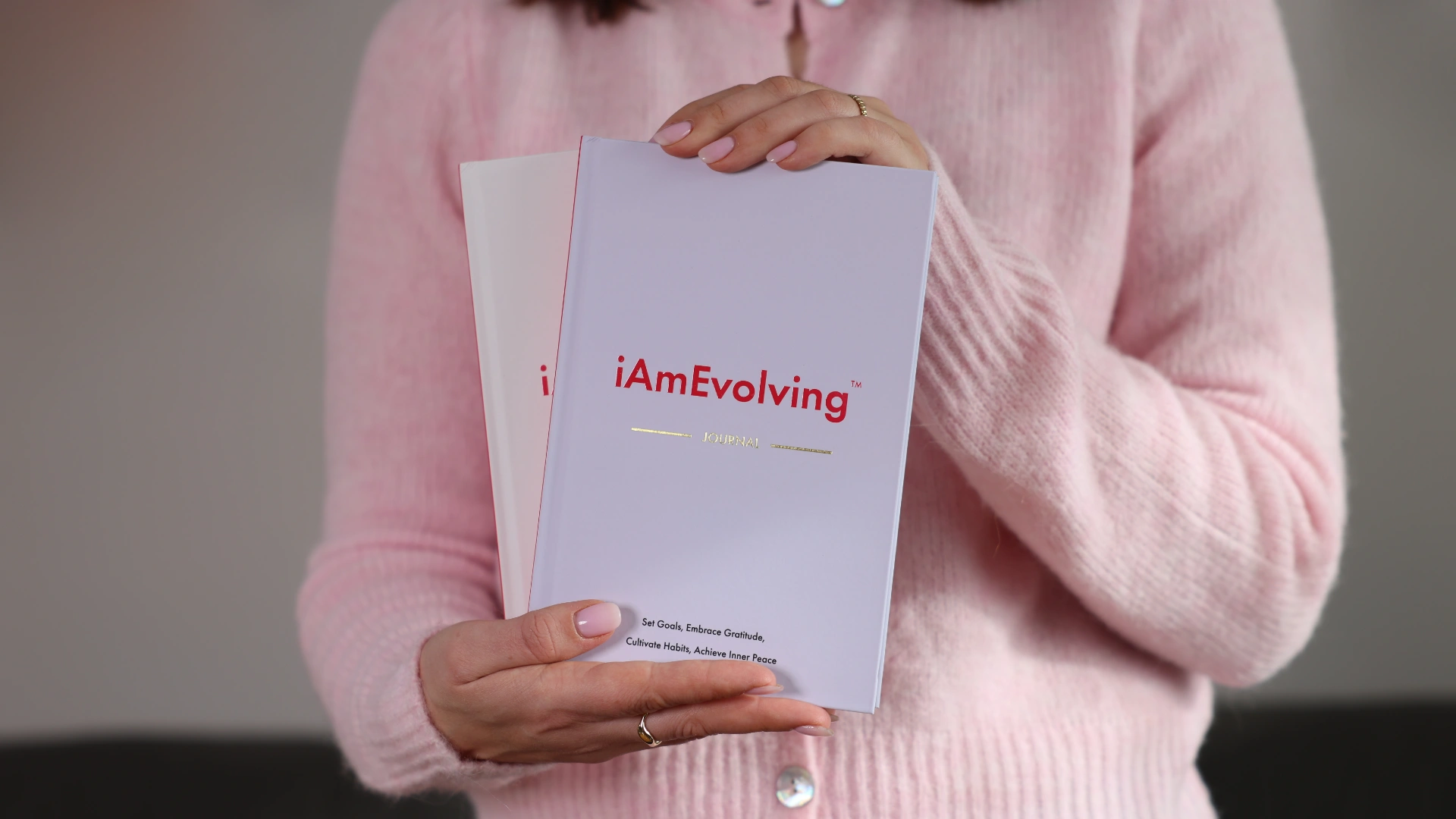
Start with a notebook that feels inviting — one that encourages reflection. The iAmEvolving Journal combines gratitude, goals, and reflection into one integrated system, helping you stay aligned even on busy days.
2. Create a Consistent Routine
Choose a time when you naturally slow down. Morning journaling sets your mindset for the day; evening journaling helps you unwind and reflect. The best time is the one you’ll keep. Habit researcher BJ Fogg notes that linking a new habit to an existing one (like morning coffee or bedtime reading) increases consistency by 70%.
3. Keep It Simple
Start with three small entries. Write in plain, honest language. Example: “I’m grateful for the quiet in my home,” “I finished what I started,” or “I felt seen by a friend.” Don’t filter — authenticity is more healing than eloquence.
4. Feel the Emotion Behind the Words
Gratitude journaling isn’t a checklist — it’s an experience. When you slow down to feel the warmth of appreciation, your body releases serotonin and dopamine — natural chemicals that calm the nervous system. It’s not what you write, it’s the state you create while writing.
5. Reflect Weekly
Once a week, revisit your pages. Highlight repeating themes — people who lift you up, moments that bring joy, or lessons learned. These reflections reveal what nourishes your emotional well-being. They also help you see growth you might’ve overlooked in daily busyness.
Get more like this, every week
How Gratitude Journaling Changes Your Mindset
With time, gratitude journaling moves from activity to awareness. It shifts you from emotional reaction to mindful observation. Instead of chasing happiness, you begin to cultivate contentment. You stop asking “what’s missing?” and start realizing “what’s already here.”
This mindset builds emotional maturity. When you face setbacks, gratitude helps you zoom out — to see life as a larger, ongoing process. Over time, you’ll notice that gratitude isn’t something you do — it’s who you become.
To explore emotional transformation in depth, read From Fear to Faith: Transforming Negative Emotions. It complements the practice of gratitude with awareness-based healing.
Best Grateful Journal Prompts
If you’re unsure what to write, start with prompts that awaken reflection and self-connection. Prompts simplify the process, guiding you toward deeper self-awareness.
- What moment today made you smile unexpectedly?
- Who has helped shape you into who you are?
- What’s one small thing you often take for granted?
- What challenge taught you something important?
- What is something you have now that you once wished for?
- Who or what makes you feel safe?
- What part of your daily routine brings peace?
- What have you learned from a difficult moment recently?
Use one or two prompts daily — or explore more in Gratitude Journal Prompts.
Common Mistakes to Avoid
- Forcing Positivity: Gratitude isn’t about ignoring pain. It’s about finding light within it.
- Skipping Reflection: Writing is good; rereading deepens awareness.
- Comparing Your Gratitude to Others: Gratitude is deeply personal — it doesn’t need to impress anyone.
- Perfectionism: Missed a day? Simply return. Consistency grows through grace, not guilt.
Turning Gratitude Into a Habit
Gratitude becomes powerful when woven into your daily identity. Tie it to another self-care habit: morning stretching, evening tea, or daily planning. Over time, it becomes automatic — like brushing your emotional health each day.
Pair gratitude with mindfulness. As you write, breathe slowly and let each word land. This grounding activates your parasympathetic nervous system — lowering stress, improving focus, and increasing joy. Small steps, practiced daily, lead to profound emotional balance.
How the iAmEvolving Journal Simplifies Gratitude
The iAmEvolving Journal turns gratitude into structure. It combines goal setting, habit reflection, and self-awareness in one flow. Each page guides you through presence and progress — helping you stay intentional even on hard days.
Its design encourages consistency without pressure, making gratitude part of your lifestyle, not another task. By blending intention, awareness, and reflection, it transforms journaling into a self-guided growth ritual.
Start your daily practice of gratitude, goals, and growth.
Get the Journal →A gentle 7-day reset to help you slow down, feel steadier, and reconnect — in just 5–10 minutes a day.
Start the ResetA simple introduction to daily journaling — gratitude, goals, and habits made easy.
Learn the MethodFinal Thoughts
Gratitude isn’t a trick for happiness — it’s a language of presence. A grateful journal teaches you to speak that language fluently. It reminds you that peace doesn’t depend on what’s happening around you but how you choose to see it.
Start today. Write one sentence of gratitude. Tomorrow, write another. In a few weeks, you’ll notice that your journal isn’t changing your world — it’s changing the way you move through it.
Continue your reflection with The Benefits of Daily Gratitude Journaling or explore more mindful writing methods in Gratitude Journaling Practice.
FAQ About Starting a Grateful Journal
What is the difference between a gratitude and a grateful journal?
How long should I write in my grateful journal each day?
Can I use the iAmEvolving Journal for grateful journaling?
What if I can’t think of anything to write?