Journaling Prompts for Healing: Gentle Writing to Release, Reflect, and Restore

Healing is not a straight line. Some days you feel grounded and hopeful. Other days, old emotions resurface without warning. Journaling prompts for healing offer a quiet, steady way to meet yourself exactly where you are — without judgment, pressure, or the need to “fix” anything.
These journaling prompts for healing are designed to help you release what you’ve been carrying, understand your inner world, and gently reconnect with a sense of safety and wholeness. You don’t need to be a writer. You don’t need the right words. You only need honesty and a willingness to listen inward.
Why Journaling Prompts for Healing Work
Healing often begins when unspoken thoughts finally have somewhere to go. Journaling creates that space. When you write, your mind slows down. Your nervous system softens. Emotions that once felt overwhelming become more manageable when they are named and witnessed on the page.
Unlike conversation, journaling does not interrupt you. It does not rush you or offer advice before you’re ready. It allows feelings to unfold at their own pace. This is especially important when healing emotional wounds, grief, burnout, or periods of deep inner confusion.
Research shows that expressive writing can reduce stress, support emotional clarity, and help regulate the nervous system. But beyond science, journaling works because it restores connection — with yourself. When you write honestly about pain, you stop running from it. You turn toward it with curiosity instead of fear.
If you’re new to reflective writing, you may find it helpful to first explore the complete journaling guide, which explains how journaling fits into a sustainable self-growth practice.
How to Use These Journaling Prompts for Healing
There is no correct way to work with healing prompts. What matters most is creating a sense of safety while you write. Here are some guidelines to help:
- Choose a quiet moment when you won’t be interrupted. Early morning or late evening often works well.
- Set a gentle time limit, such as 10–15 minutes. You can always write longer if words keep flowing.
- Write freely without worrying about grammar, spelling, or structure. This is for you alone.
- Pause when emotions feel intense and return to your breath. Place your hand on your chest if it helps.
- Be honest but gentle — you’re not here to judge yourself, only to understand.
You don’t need to complete every prompt in one sitting. Let your intuition guide you. Some questions may feel too raw today — that’s okay. Healing is about pacing, not pushing. Trust yourself to know what you’re ready for.
Journaling Prompts for Emotional Release
Sometimes healing requires letting go of what you’ve been holding inside. These prompts help you name emotions that may have been suppressed, ignored, or pushed aside. Writing them down creates distance and perspective.
- What emotion have I been avoiding or suppressing lately? Why might that be?
- If my body could speak right now, what would it want me to know?
- What am I tired of carrying that I’m ready to set down?
- When did I last feel emotionally overwhelmed? What did I need in that moment?
- What would it feel like to allow this emotion without judging it?
- What words have I left unsaid that need to be released onto paper?
- If I could scream one truth into the void, what would it be?
After writing, take a breath. Notice if anything shifted — even slightly. Sometimes release happens in small waves, not dramatic floods.
Get more like this, every week
Journaling Prompts for Self-Compassion
Healing requires kindness toward yourself. Many people find this harder than being kind to others. These prompts help you practice self-compassion and create a sense of inner safety.
- What would I say to a close friend who felt the way I do right now?
- In what ways have I been doing the best I can, even when it doesn’t feel like enough?
- What does safety feel like for me — emotionally, mentally, physically?
- How can I offer myself kindness today without earning it?
- What part of me needs reassurance instead of discipline right now?
- What would change if I believed I was worthy of compassion?
- How would I treat myself if I loved myself completely?
Self-compassion is not weakness. It’s the foundation that allows genuine healing to happen. You cannot bully yourself into wellness.
Journaling Prompts for Healing Past Experiences
The past shapes us, but it doesn’t have to define us. These prompts help you revisit old experiences with new eyes — not to relive pain, but to understand it differently and release its grip on your present.
- What past experience still influences how I see myself today?
- What did I need back then that I didn’t receive?
- How have I grown or adapted because of this experience?
- What lesson can I carry forward without carrying the pain?
- If I could write a letter to my younger self, what would I want them to know?
- What story about my past am I ready to rewrite?
- How has this experience shaped my strength, even if it hurt?
Healing the past doesn’t mean forgetting. It means changing your relationship to what happened. The event stays the same, but your understanding of it can evolve.
Journaling Prompts for Letting Go
Letting go is one of the hardest parts of healing. We often hold onto pain because it’s familiar — because releasing it means stepping into the unknown. These prompts help you explore what you’re ready to release. For deeper work on this topic, explore the art of letting go.
- What am I holding onto that no longer aligns with who I am becoming?
- What fear keeps me attached to this situation, belief, or relationship?
- What would I gain by releasing this attachment?
- What boundary do I need to honor for my emotional well-being?
- What does “enough” feel like in my body right now?
- What would my life look like one year from now if I let this go today?
- What permission do I need to give myself in order to move forward?
Letting go is not a single moment. It’s a practice — something you choose again and again until it becomes your new normal.
Journaling Prompts for Gratitude During Healing
Gratitude may seem difficult when you’re in pain. But noticing small moments of goodness doesn’t deny suffering — it creates balance. These prompts help you find light without bypassing darkness.
- What small moment brought me comfort today?
- Who or what has supported me recently, even quietly?
- What part of my body or mind is still showing up for me?
- What am I grateful for despite the challenges I’m facing?
- What beauty have I noticed lately, even in unexpected places?
- What simple pleasure am I thankful for right now?
- How has difficulty taught me to appreciate what I have?
Gratitude during hard times is not toxic positivity. It’s choosing to see the whole picture — the pain and the beauty, side by side.
Journaling Prompts for Rebuilding Trust in Yourself
Painful experiences can shake your confidence in your own judgment. These prompts help you reconnect with your inner wisdom and rebuild trust in yourself — one small recognition at a time.
- When have I handled something difficult better than I expected?
- What inner strength has helped me survive past challenges?
- What decision am I proud of making, even if it was hard?
- How can I honor my intuition more consistently?
- What does self-trust look like in my daily actions?
- When has my gut feeling been right, even when others disagreed?
- What would I do differently if I fully trusted myself?
You have survived everything that has happened to you so far. That’s not nothing. That’s evidence of resilience you may not yet fully see.
Journaling Prompts for Envisioning Your Healed Self
Healing isn’t just about processing the past. It’s also about imagining a future where you feel whole. These prompts help you connect with the version of yourself who has moved through this season of pain.
- What does my healed self look like? How do they carry themselves?
- What beliefs does my future self hold about worthiness and love?
- What daily habits support my vision of a healed life?
- What relationships does my healed self nurture?
- What would I do with my energy if it wasn’t spent on this pain?
- How does my healed self handle difficult emotions when they arise?
- What message does my future self want to send back to me today?
Your healed self is not a fantasy. It’s a possibility you’re building toward with every honest word you write.
Creating a Healing Journaling Practice
One journaling session can bring relief. But lasting healing comes from consistent practice. Here’s how to build a sustainable healing journaling routine:
Start small. Five minutes is enough. You can always write longer, but removing the pressure makes it easier to begin.
Choose a regular time. Morning pages help process dreams and set intentions. Evening writing helps release the day. Either works — consistency matters more than timing.
Create a ritual around it. Light a candle. Make tea. Sit in the same spot. These small rituals signal to your brain that it’s time to turn inward.
Don’t reread immediately. Sometimes the most healing thing is to write and close the journal without looking back. Let the words exist without judgment.
Pair with affirmations. After writing about pain, close with a healing statement. I AM affirmations for healing work beautifully as journal closers.
When Journaling Brings Up Strong Emotions
Healing prompts can surface intense feelings. This is normal and often a sign the practice is working. Here’s how to handle emotional waves:
- Pause and breathe. Put down your pen. Take five slow breaths before continuing or stopping.
- Ground yourself. Feel your feet on the floor. Notice five things you can see. Name them aloud if it helps.
- Remember you’re safe. The emotion is real, but the danger is not present. You’re processing something old, not living it again.
- Stop if you need to. There’s no prize for pushing through. Closing the journal is always an option.
- Seek support when needed. Journaling is powerful, but it’s not a replacement for professional help when pain feels too heavy to carry alone.
Strong emotions during journaling are information, not danger. They show you where healing work remains. But you get to decide how much to engage with at any given time.
Begin Your Healing Journey Today
Choose one prompt from this list — the one that calls to you most strongly. Set a timer for ten minutes. Write without stopping, without editing, without judgment. See what emerges.
Healing happens in small moments of honesty. It happens when you finally say what you’ve been holding inside. It happens when you meet yourself with compassion instead of criticism.
You don’t have to heal all at once. You only have to begin — one word, one prompt, one page at a time.
For more guided writing exercises to support your growth, explore our complete collection of journaling prompts and guided writing.
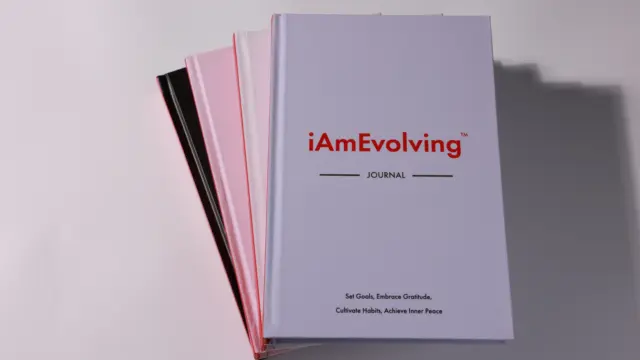
Start your daily practice of gratitude, goals, and growth.
Get the Journal →A gentle 7-day reset to help you slow down, feel steadier, and reconnect — in just 5–10 minutes a day.
Start the ResetA simple introduction to daily journaling — gratitude, goals, and habits made easy.
Learn the MethodFAQ
How often should I use journaling prompts for healing?
Can journaling replace therapy?
What if journaling brings up emotions I can’t handle?
What’s the best journal for healing work?