Best Journals for Anxiety in 2026: 5 That Actually Help
The best journals for anxiety give you a structured way to process anxious thoughts instead of letting them spiral. Writing about anxiety does not make it disappear, but it does something powerful — it moves your worries from your head onto a page, where they become manageable rather than overwhelming. The right journal provides a framework for that process.
After reviewing the most effective anxiety-focused journals available in 2026, I have selected five that use different strategies to help calm an anxious mind. Some use CBT-based exercises. Others rely on gratitude and mindfulness to shift your attention. The best choice depends on whether you want clinical tools, daily structure, or gentle creative expression.
What Makes a Good Journal for Anxiety
Anxiety thrives in chaos and uncertainty. The best journals for anxiety counter that by providing structure, clarity, and a daily practice that grounds you. Here is what to look for:
- Prompts that interrupt anxious thinking patterns. Anxiety feeds on rumination — the same worried thoughts cycling endlessly. Journals with specific prompts redirect your attention from what could go wrong to what is actually happening right now.
- Gratitude as a counterbalance. Research shows that gratitude practice reduces anxiety by activating the parasympathetic nervous system. Journals that include gratitude prompts alongside anxiety exercises create a more balanced emotional state.
- A calming, unhurried design. Cluttered layouts with too many sections can increase anxiety rather than reduce it. Look for journals with clean design, generous white space, and prompts that feel like invitations rather than assignments.
- Evidence-based techniques. The most effective anxiety journals incorporate proven methods like cognitive behavioral therapy (CBT), mindfulness, or positive psychology — not just feel-good affirmations.
If anxiety is something you are actively working through, journaling prompts for anxiety offers specific questions designed to calm anxious thinking.
Comparison Table — Best Journals for Anxiety in 2026
| Journal | Best For | Duration | Key Feature |
|---|---|---|---|
| iAmEvolving Journal | Daily grounding + growth | 6.3 months (288 pages) | Gratitude + intention + evening reflection |
| The Anxiety Journal | CBT-based anxiety work | Open-ended | CBT exercises + thought records |
| The Five Minute Journal | Quick positive anchoring | 6 months | Gratitude + affirmations in under 5 min |
| Present, Not Perfect | Creative mindfulness | Open-ended | Art-based prompts + mindful activities |
| Panda Planner | Mindful daily planning | 90 days | Positive psychology + gratitude + structure |
Top 5 Best Journals for Anxiety — In-Depth Reviews
iAmEvolving Journal — Best Journal for Anxiety Through Daily Grounding
Top Pick: Best Journal for Anxiety in 2026
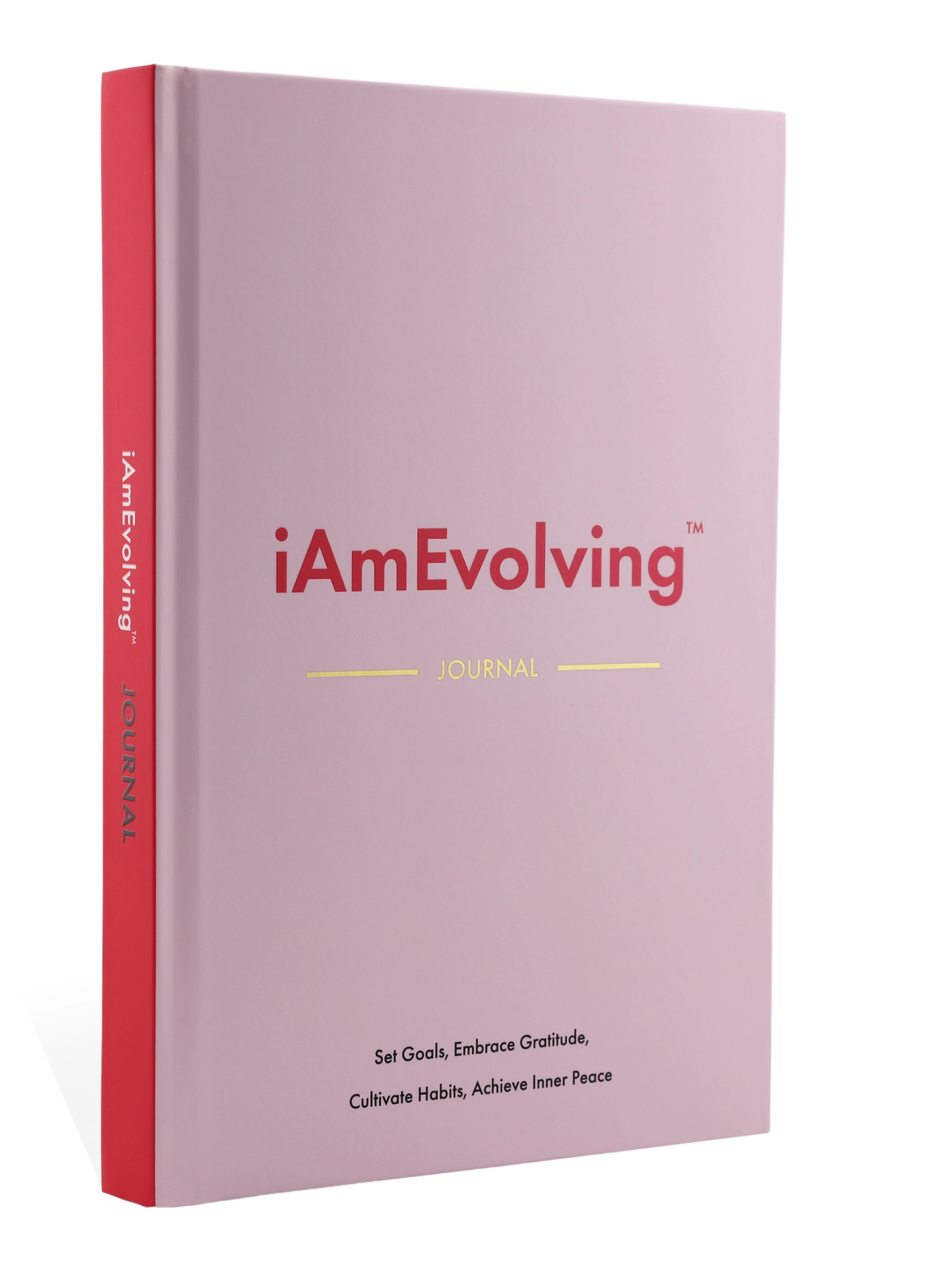
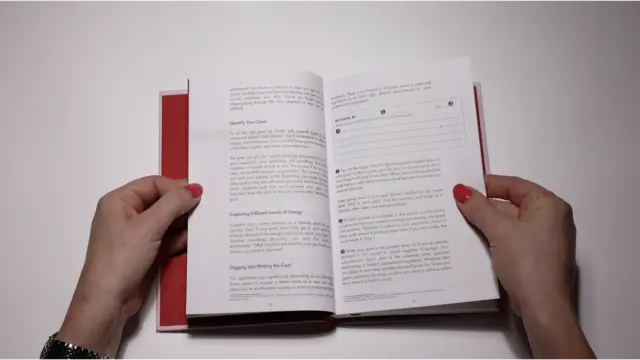
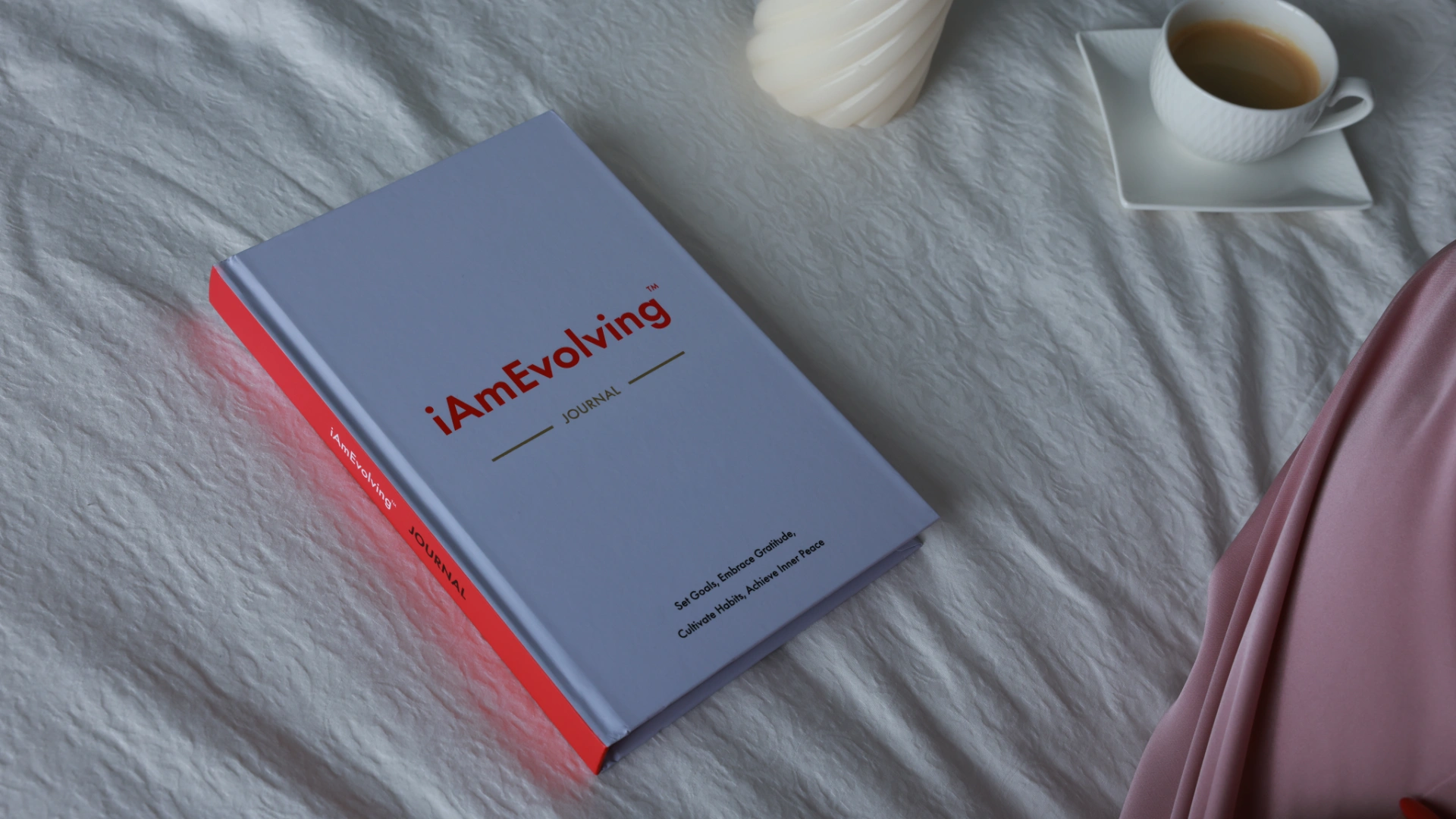
The iAmEvolving Journal approaches anxiety not by fighting it directly but by building a daily practice that naturally reduces it. Each morning begins with gratitude — which research shows activates the parasympathetic nervous system and counteracts the fight-or-flight response that drives anxiety. Then you set a single intention for the day, which narrows your focus from a hundred worries to one clear purpose.
The evening reflection is where the real anxiety work happens. Instead of lying in bed replaying the day, you process it on paper — what went well, what you learned, and what you are carrying. This externalization prevents the nighttime spiral that many anxious people know too well.
The built-in habit tracker supports the small daily behaviors that manage anxiety long-term: exercise, meditation, sleep hygiene, social connection. Over 6.3 months, these compound into a calmer baseline. This journal does not replace therapy, but it gives you a structured daily practice that supports your mental health between sessions.
- Morning gratitude activates the body's calming response
- Daily intention narrows focus from worry to purpose
- Evening reflection prevents nighttime rumination spirals
- Habit tracker supports anxiety-reducing behaviors
- Undated 288 pages — no guilt about missed days
- Minimalist A5 hardcover in 5 calming colors
- FSC-certified paper with ribbon bookmark
Specifications
| Product Name | iAmEvolving Journal |
| Size | A5 (21.5 × 14.5 cm) |
| Pages | 288 undated pages |
| Duration | ~6.3 months |
| Paper | FSC-certified |
| Cover | Premium hardcover |
| Colors | White, Black, Misty Rose, Columbia Blue, Lavender |
| Focus Areas | Gratitude, intentions, habits, reflection |
Verdict
The best anxiety journal for people who want a daily grounding practice that builds long-term calm through gratitude, intention, and structured reflection.
The Anxiety Journal by Corinne Sweet — Best for CBT-Based Anxiety Work
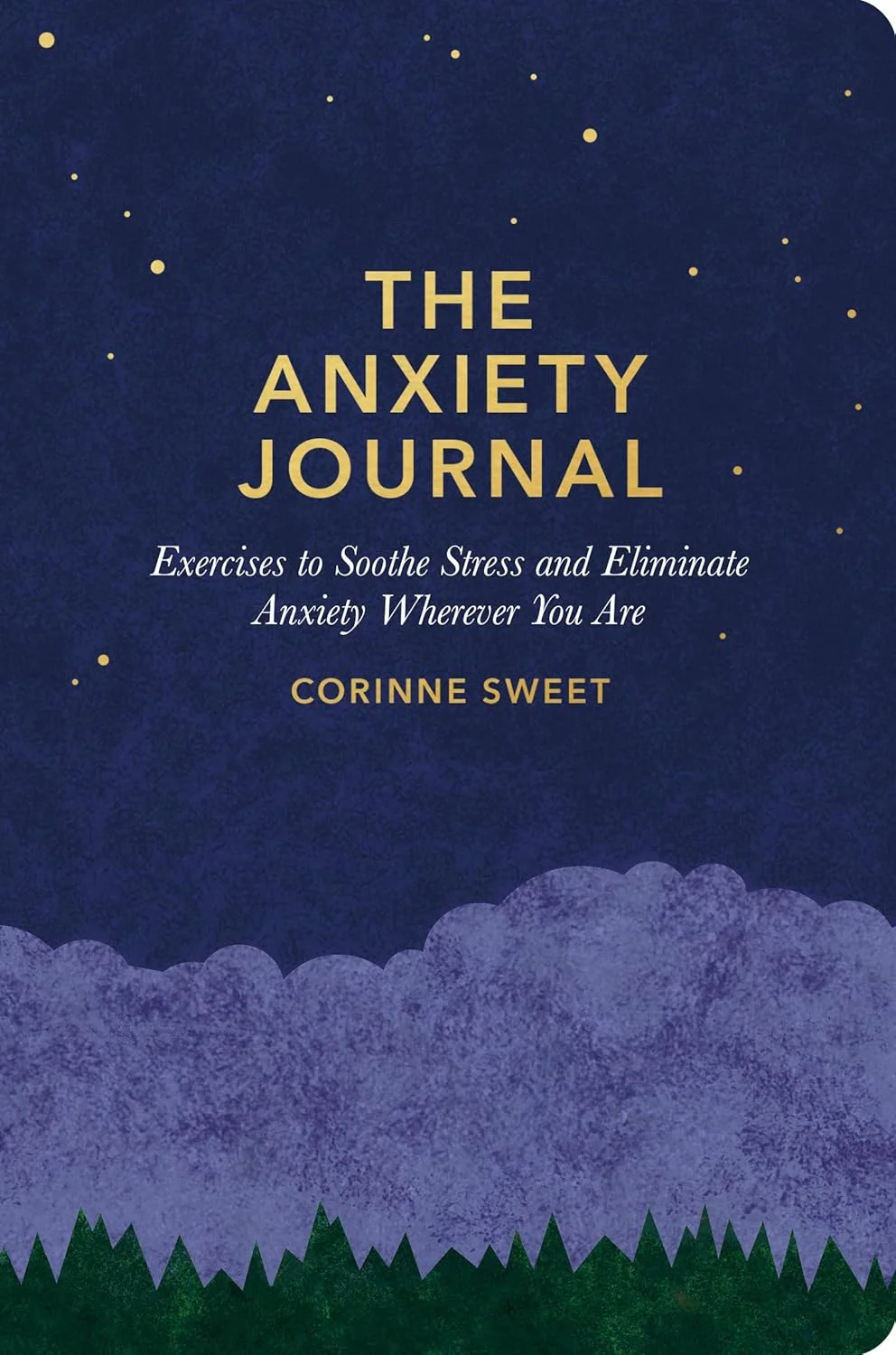
The Anxiety Journal by Corinne Sweet is built around cognitive behavioral therapy (CBT) principles — the most evidence-based approach to treating anxiety. It includes thought records for identifying and challenging anxious thinking patterns, worry trees for categorizing concerns into actionable and non-actionable, and progressive relaxation exercises.
The journal walks you through the mechanics of anxiety — why your brain creates it, how it manifests physically, and what you can do to interrupt the cycle. For people who want to understand their anxiety, not just manage it, this clinical approach is powerful. The exercises are practical and can be used in the moment when anxiety strikes.
The open-ended format means you work through it at your own pace. At approximately $12, it is an affordable companion to therapy or a standalone tool for self-guided anxiety work. The limitation is that it lacks the daily structure of habit-building journals, so consistency depends on self-motivation.
- CBT-based exercises including thought records and worry trees
- Teaches the mechanics of anxiety for deeper understanding
- Progressive relaxation and grounding techniques
- Open-ended format — work at your own pace
- Affordable at ~$12
- Written by a psychotherapist and anxiety specialist
Specifications
| Product Name | The Anxiety Journal |
| Author | Corinne Sweet |
| Size | 5" x 7" |
| Pages | 160 |
| Duration | Open-ended |
| Format | Guided, self-paced |
| Price | ~$11.99 |
Verdict
The most clinically grounded anxiety journal available — ideal for people who want CBT-based tools to understand and challenge anxious thinking.
The Five Minute Journal — Best for Quick Positive Anchoring
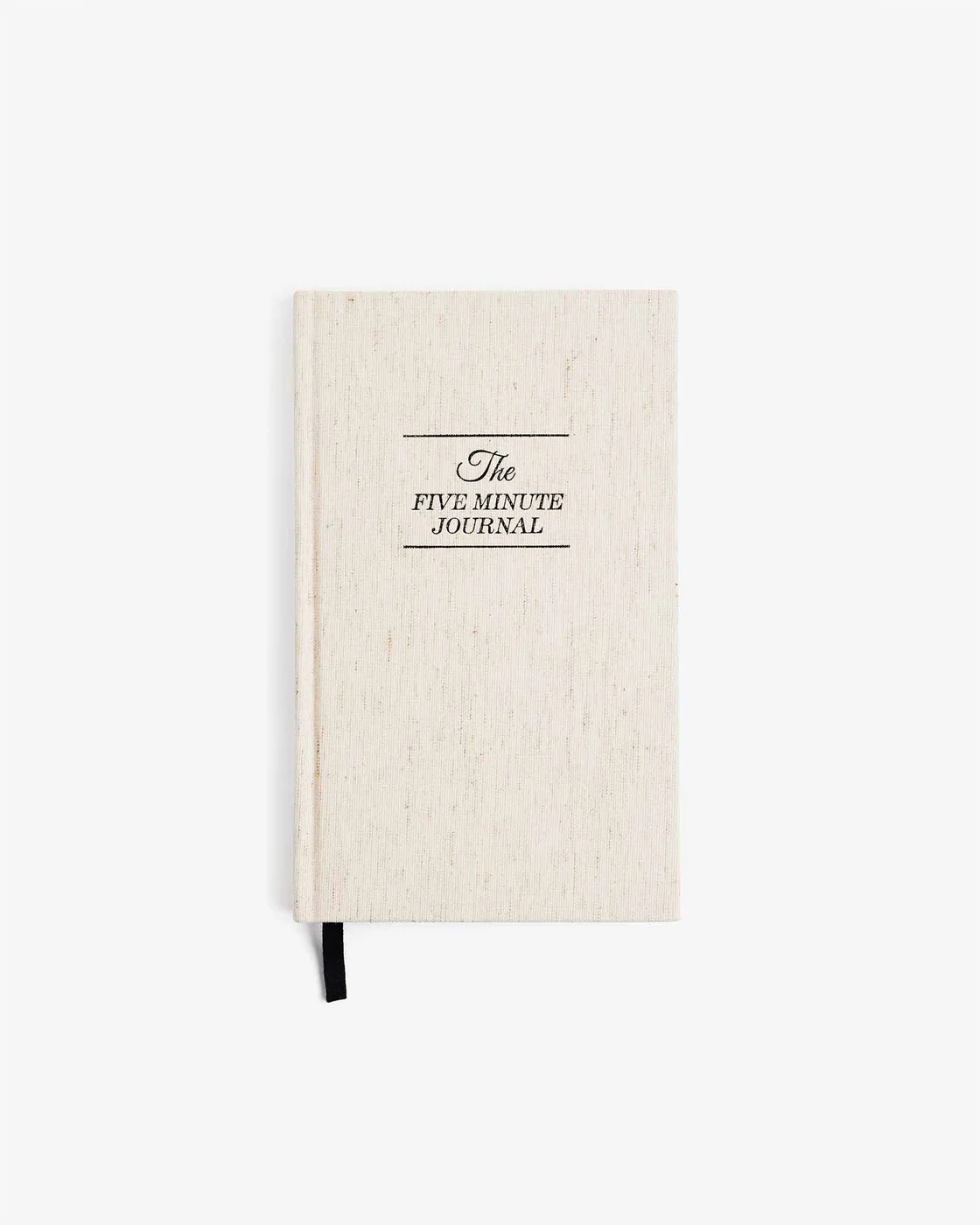
The Five Minute Journal by Intelligent Change works for anxiety because it redirects your attention to what is good right now. Anxiety is future-focused — it is worry about what might happen. Gratitude is present-focused — it anchors you in what is actually true today. That shift, practiced daily, rewires how your brain processes uncertainty.
The morning section asks for three things you are grateful for, what would make today great, and a daily affirmation. The evening section captures three highlights. Total time: under five minutes. For anxious people, this brevity is a feature, not a limitation — long journaling sessions can become another source of overwhelm.
The Five Minute Journal does not address anxiety directly. It does not include CBT exercises or thought records. But its consistent gratitude practice has been shown to reduce anxiety symptoms over time by shifting the brain’s default focus from threat to appreciation.
- Under 5 minutes — prevents journaling from becoming overwhelming
- Daily gratitude redirects attention from worry to appreciation
- Morning affirmation builds positive self-talk patterns
- Evening highlights train the brain to notice good experiences
- Simple format with zero complexity or decision fatigue
- Premium linen hardcover for 6 months of daily use
Specifications
| Product Name | The Five Minute Journal |
| Brand | Intelligent Change |
| Size | 6.3" x 8.5" |
| Pages | ~264 |
| Duration | ~6 months |
| Format | Guided, undated |
| Cover | Linen hardcover |
| Price | ~$29.99 |
Verdict
The simplest daily practice for redirecting anxious attention toward gratitude and positive awareness — no complexity, no pressure.
Present, Not Perfect — Best for Creative Anxiety Relief
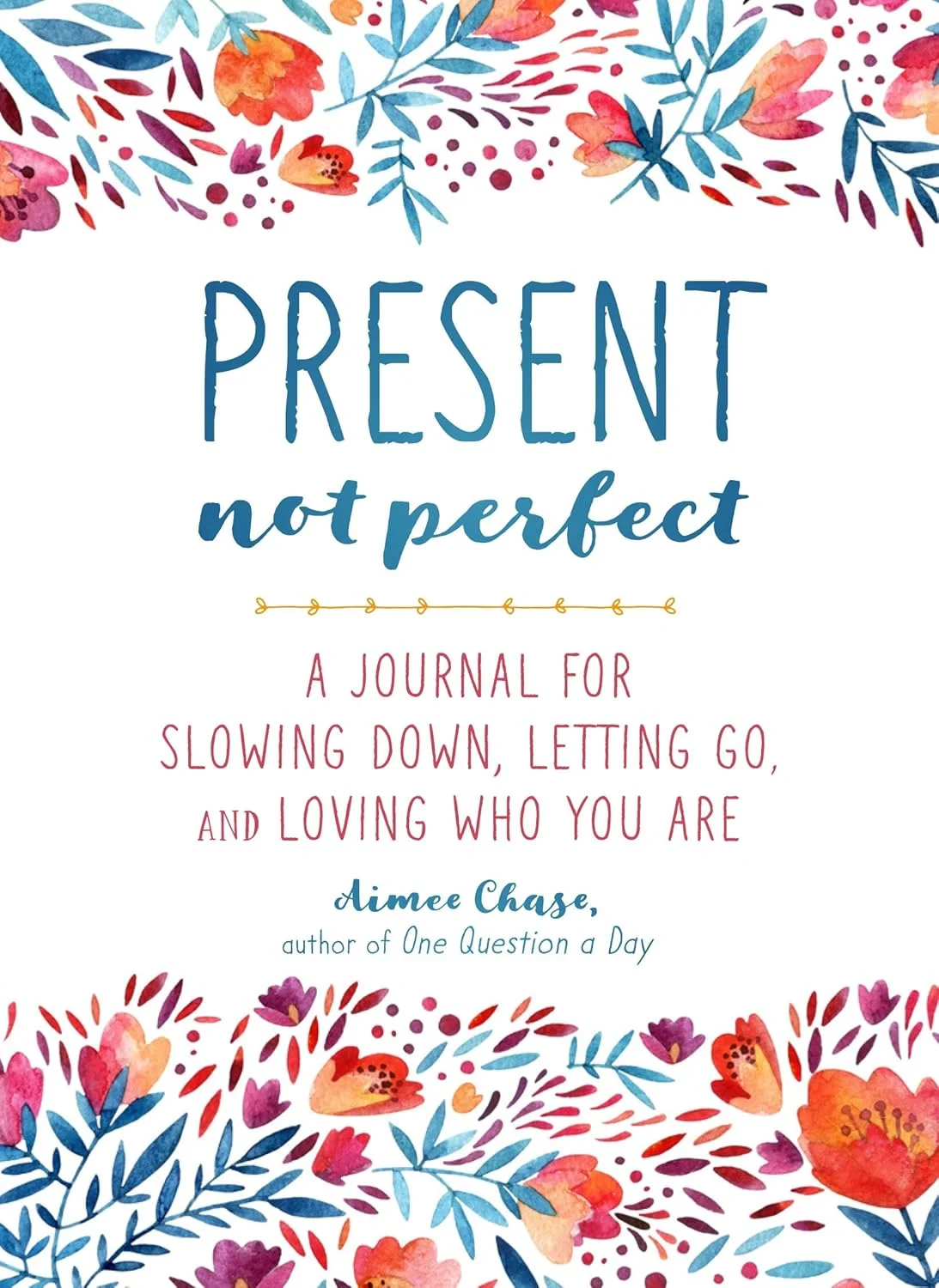
The Present, Not Perfect by Aimee Chase helps with anxiety through creative expression rather than analytical exercises. Its mix of writing prompts, drawing activities, and mindfulness exercises engages your brain in ways that interrupt anxious thought loops. When you are coloring, drawing, or creating a list of things that bring you joy, your brain cannot simultaneously run worst-case scenarios.
The varied format prevents the monotony that can make daily journaling feel like another task on your anxiety list. Some days you write a few sentences. Other days you draw or create. The lack of daily structure means you pick it up when you need it rather than when a schedule demands it.
At approximately $12, it is an affordable, low-pressure tool for managing anxiety through creative mindfulness. It works best as a companion to other anxiety management strategies rather than a standalone treatment.
- Creative exercises interrupt anxious thought loops
- Mix of writing, drawing, and mindfulness activities
- Low-pressure format with no daily schedule
- Engages the brain differently than analytical journals
- Approachable for people intimidated by traditional journaling
- Affordable at ~$12
Specifications
| Product Name | Present, Not Perfect |
| Author | Aimee Chase |
| Size | 6.5" x 8.5" |
| Pages | 208 |
| Duration | Open-ended |
| Format | Unstructured / self-paced |
| Price | ~$11.99 |
Verdict
A creative, gentle approach to anxiety relief through mindful art and varied exercises — perfect for visual thinkers and creative individuals.
Panda Planner — Best for Reducing Anxiety Through Structured Daily Planning
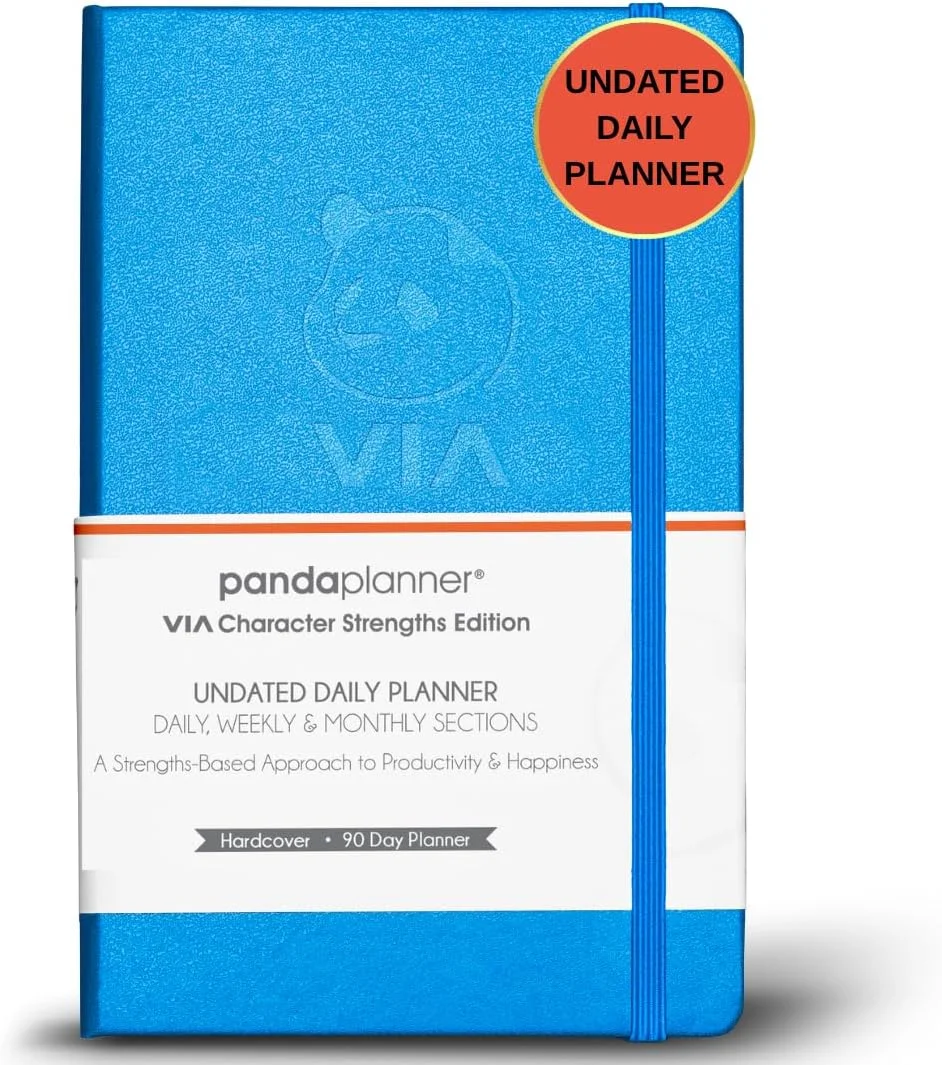
The Panda Planner helps with anxiety by reducing the chaos that feeds it. Much of daily anxiety comes from feeling overwhelmed by tasks, responsibilities, and decisions. The Panda Planner addresses this directly by giving you a structured daily page with prioritized tasks, gratitude prompts, and end-of-day review — all grounded in positive psychology research.
The gratitude and mindfulness elements are not afterthoughts — they are woven into the planning system. Starting each day by acknowledging what is good and ending it by reviewing what went well creates bookends of positive awareness around whatever stress fills the middle of your day.
At $19.99 for 90 days, it is the most affordable option that combines anxiety-reducing practices with practical planning. For people whose anxiety is triggered by disorganization and overwhelm, the Panda Planner provides the daily structure that makes life feel manageable.
- Reduces overwhelm through structured daily planning
- Gratitude and mindfulness integrated into task management
- Science-backed positive psychology design
- 90-day format creates manageable time horizons
- Monthly and weekly reviews prevent anxiety from accumulating
- Most affordable structured option at $19.99
Specifications
| Product Name | Panda Planner Classic |
| Size | 5.75" x 8.25" |
| Pages | ~240 |
| Duration | 90 days |
| Format | Undated |
| Cover | Vegan leather hardcover |
| Price | $19.99 |
Verdict
The best option for people whose anxiety is driven by overwhelm and disorganization — structured planning with built-in gratitude and mindfulness.
How Journaling Helps With Anxiety
Anxiety is your brain trying to solve problems that mostly do not exist. It runs scenarios, imagines threats, and rehearses worst-case outcomes — all inside your head, where they feel real and urgent. Journaling helps anxiety and depression by externalizing those thoughts onto a page, where they lose much of their power.
Here is what the research shows about why writing reduces anxiety:
- Cognitive offloading. Writing your worries down frees up working memory. Your brain no longer needs to hold onto anxious thoughts because they are stored externally. This creates immediate mental relief.
- Pattern recognition. Anxiety feels random, but it follows patterns. Journaling reveals your triggers — specific situations, times of day, or thought patterns that consistently produce anxiety. Once you see the pattern, you can interrupt it.
- Emotional distance. Writing about an anxious thought puts you in the role of observer rather than experiencer. This cognitive distance allows you to evaluate whether the worry is realistic rather than automatically believing it.
- Gratitude counterbalances threat detection. Anxiety makes your brain hyper-focused on potential threats. Daily gratitude practice trains your brain to also notice safety, abundance, and positive experiences — creating a more balanced perception of reality.
For specific strategies on using writing to manage worry, journaling for overthinking provides targeted techniques for breaking rumination cycles.
Conclusion
The best journal for anxiety is the one that meets you where you are — whether that is clinical CBT exercises, structured daily grounding, creative mindfulness, or simply five minutes of gratitude. What matters most is consistency. Anxiety builds silently when left unexamined. A daily journaling practice ensures you never let more than 24 hours pass without checking in with yourself.
My own experience with anxiety taught me that the journal matters less than the habit. When I was at my most anxious, writing three things I was grateful for each morning felt almost absurd — how could gratitude help when everything felt uncertain? But after two weeks, something shifted. The gratitude practice did not eliminate uncertainty. It reminded me that good things still existed alongside it. That small shift in perspective was the beginning of a calmer way of living. A good journal can give you that same starting point.
If anxiety is something you are navigating, understanding what anxiety is can help you see it clearly before you start journaling through it.
Start your daily practice of gratitude, goals, and growth.
Get the Journal →A gentle 7-day reset to help you slow down, feel steadier, and reconnect — in just 5–10 minutes a day.
Start the ResetA simple introduction to daily journaling — gratitude, goals, and habits made easy.
Learn the MethodFrequently Asked Questions About Journals for Anxiety
Does journaling actually help with anxiety?
What should I write in an anxiety journal?
Is a gratitude journal or a CBT journal better for anxiety?
Can a journal replace therapy for anxiety?
When should I journal if I have anxiety?