Best Journals for Beginners in 2026: 5 Easy Ways to Start
The best journals for beginners remove the two biggest barriers to starting a journaling habit: not knowing what to write and not knowing how to stay consistent. A good beginner journal gives you enough structure to guide your thinking without making it feel like a test — and it keeps the daily time commitment low enough that you actually show up.
After reviewing the most popular starter journals available in 2026, I have selected five that make journaling accessible, approachable, and sustainable from day one. Each one takes a different approach — from structured daily prompts to creative exercises and one-line entries — so the right choice depends on your personality and how much time you want to invest.
What Beginners Should Look for in a Journal
Most people who quit journaling do so within the first two weeks. Here is what makes the difference between a journal that becomes a daily habit and one that ends up in a drawer:
- Guided prompts, not blank pages. Blank pages are the number one reason beginners quit. Guided prompts eliminate the “what do I write?” paralysis and give you a clear starting point every day.
- A short daily time commitment. Start with 5-10 minutes per day. Journals that demand more will feel like a chore before the habit has a chance to form.
- An undated format. Dated journals create guilt when you miss a day — you see blank pages judging you. Undated formats let you pick up where you left off without pressure.
- A clear structure that feels rewarding. The best beginner journals make you feel like you accomplished something in 5 minutes. That sense of completion is what builds the habit.
For a complete guide to building a journaling habit from scratch, how to start journaling for beginners covers everything from choosing a journal to writing your first entry.
Comparison Table — Best Journals for Beginners in 2026
| Journal | Best For | Duration | Key Feature |
|---|---|---|---|
| iAmEvolving Journal | Structured daily growth | 6.3 months (288 pages) | Guided prompts for gratitude, goals, habits, reflection |
| The Five Minute Journal | Quickest daily practice | 6 months | Under 5 minutes — morning + evening |
| One Line a Day | Ultra-minimal capture | 5 years | One sentence per day — under 1 minute |
| Start Where You Are | Creative exploration | Open-ended | Watercolor prompts + varied exercises |
| Panda Planner | Planning + gratitude | 90 days | Science-backed positive psychology system |
Top 5 Best Journals for Beginners — In-Depth Reviews
iAmEvolving Journal — Best Journal for Beginners Who Want Real Structure
Top Pick: Best Journal for Beginners in 2026
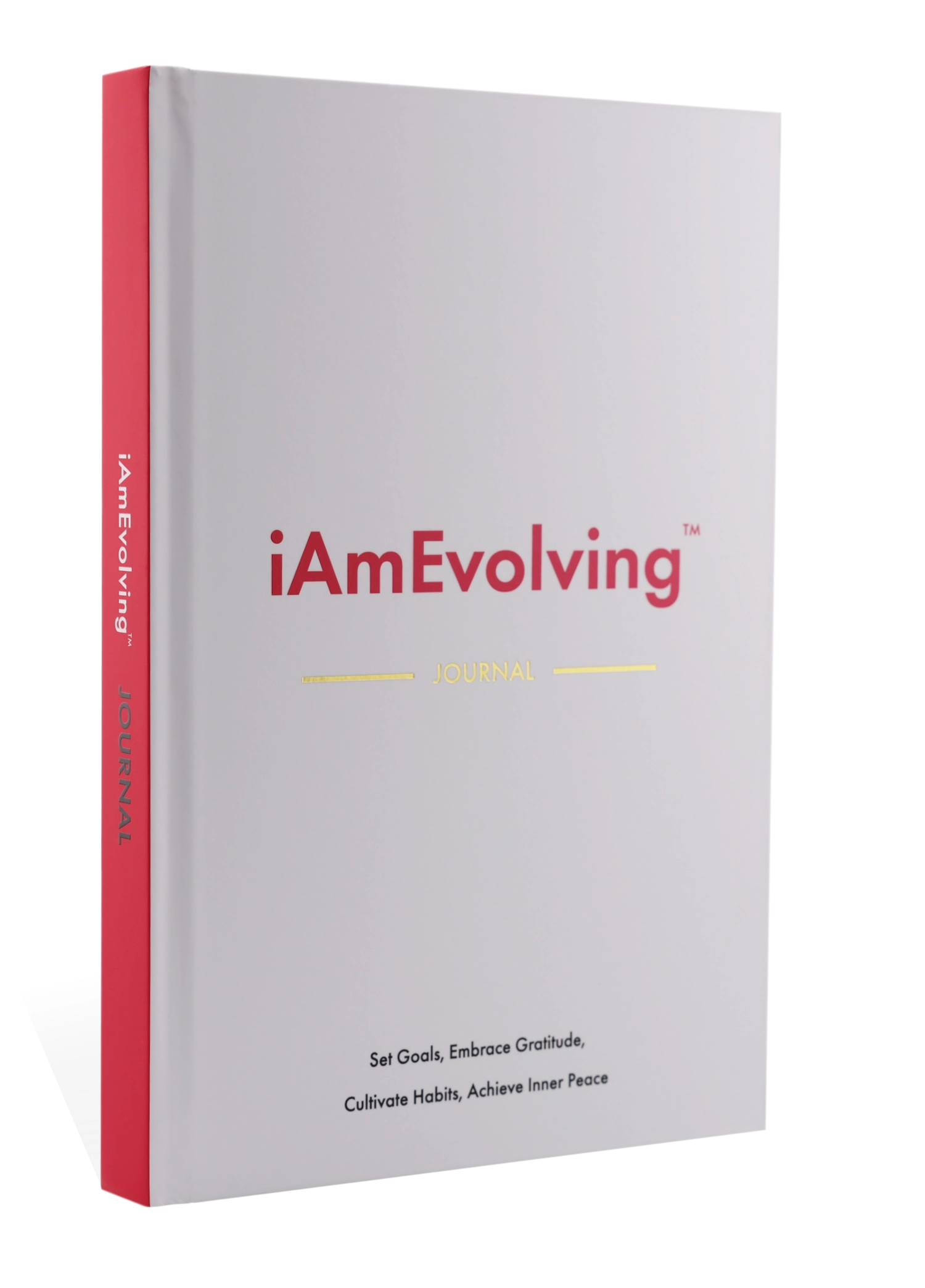
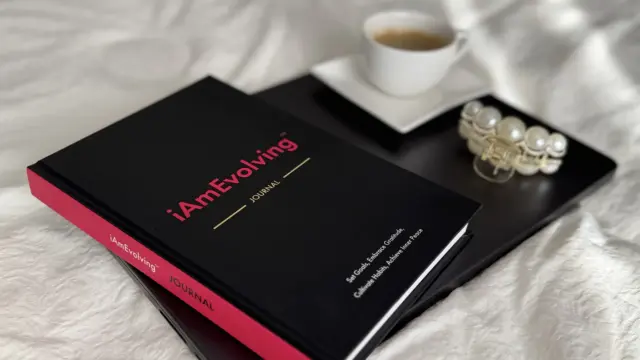
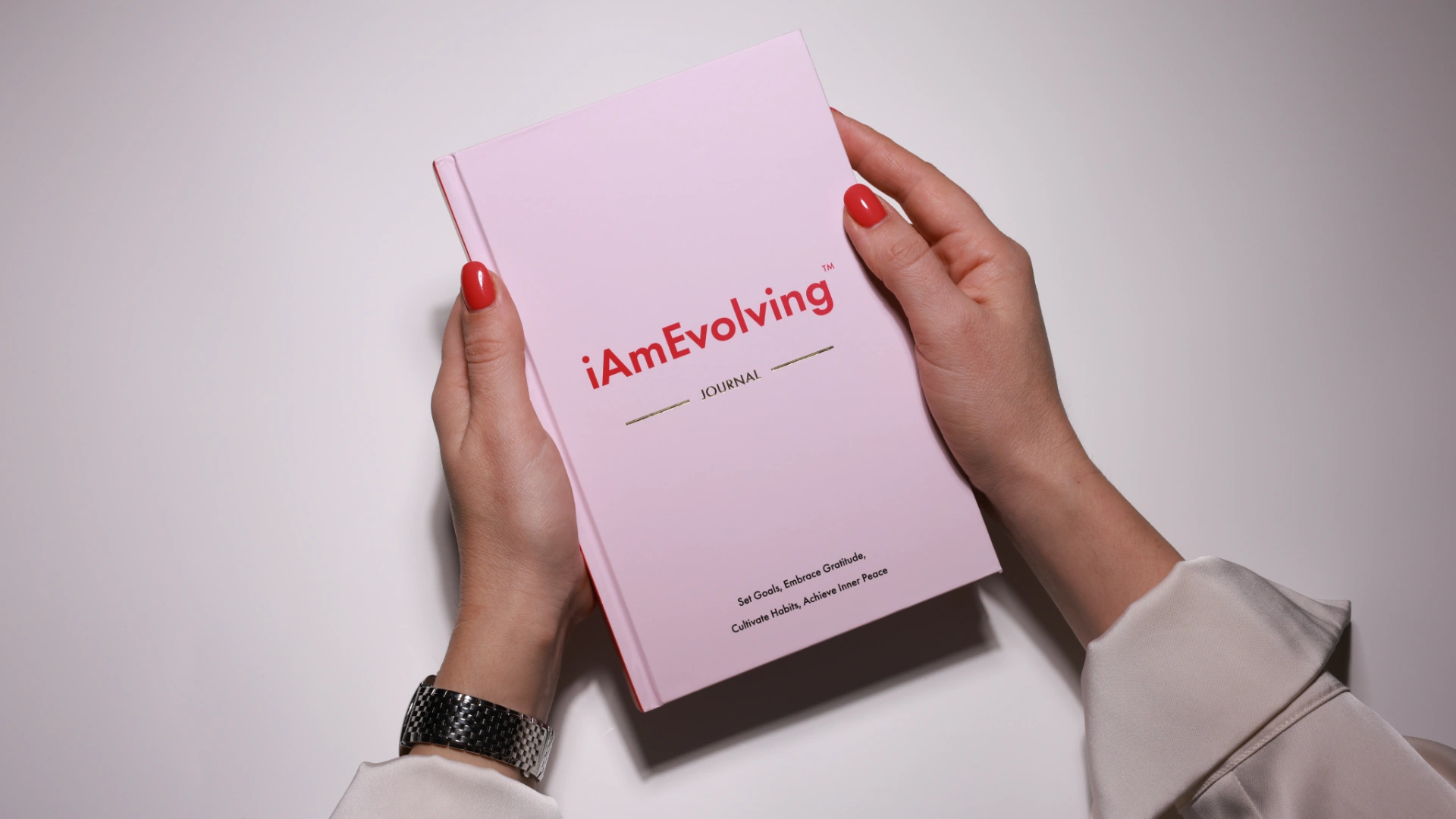
The iAmEvolving Journal is designed for beginners who want more than just a gratitude list. Its structured daily layout tells you exactly what to write and when — morning intention, gratitude prompts, habit tracker, and evening reflection. You never face a blank page, and each section takes only a few minutes.
What makes this journal stand out for beginners is the variety of practices it introduces gradually. Instead of diving into deep journaling on day one, you start with simple gratitude and intention-setting. Over time, the habit tracker and evening reflection deepen the practice naturally. By month two, you have built a complete daily growth system without realizing you were learning it.
The undated format means zero guilt about missed days — you simply open to the next page. With 288 pages spanning 6.3 months, it gives you enough runway to build a genuine habit before you ever need to buy a second journal.
- Guided daily prompts eliminate blank-page paralysis
- Morning intention + gratitude takes under 5 minutes
- Evening reflection deepens the practice gradually
- Built-in habit tracker for visual accountability
- Undated 288 pages — no guilt about missed days
- A5 hardcover in 5 colors with ribbon bookmark
- FSC-certified paper that handles any pen
Specifications
| Product Name | iAmEvolving Journal |
| Size | A5 (21.5 × 14.5 cm) |
| Pages | 288 undated pages |
| Duration | ~6.3 months |
| Paper | FSC-certified |
| Cover | Premium hardcover |
| Colors | White, Black, Misty Rose, Columbia Blue, Lavender |
| Focus Areas | Gratitude, goals, habits, reflection |
Verdict
The best beginner journal for people who want structured guidance that grows with them — from simple daily prompts to a complete growth practice.
The Five Minute Journal — Best for the Absolute Simplest Start
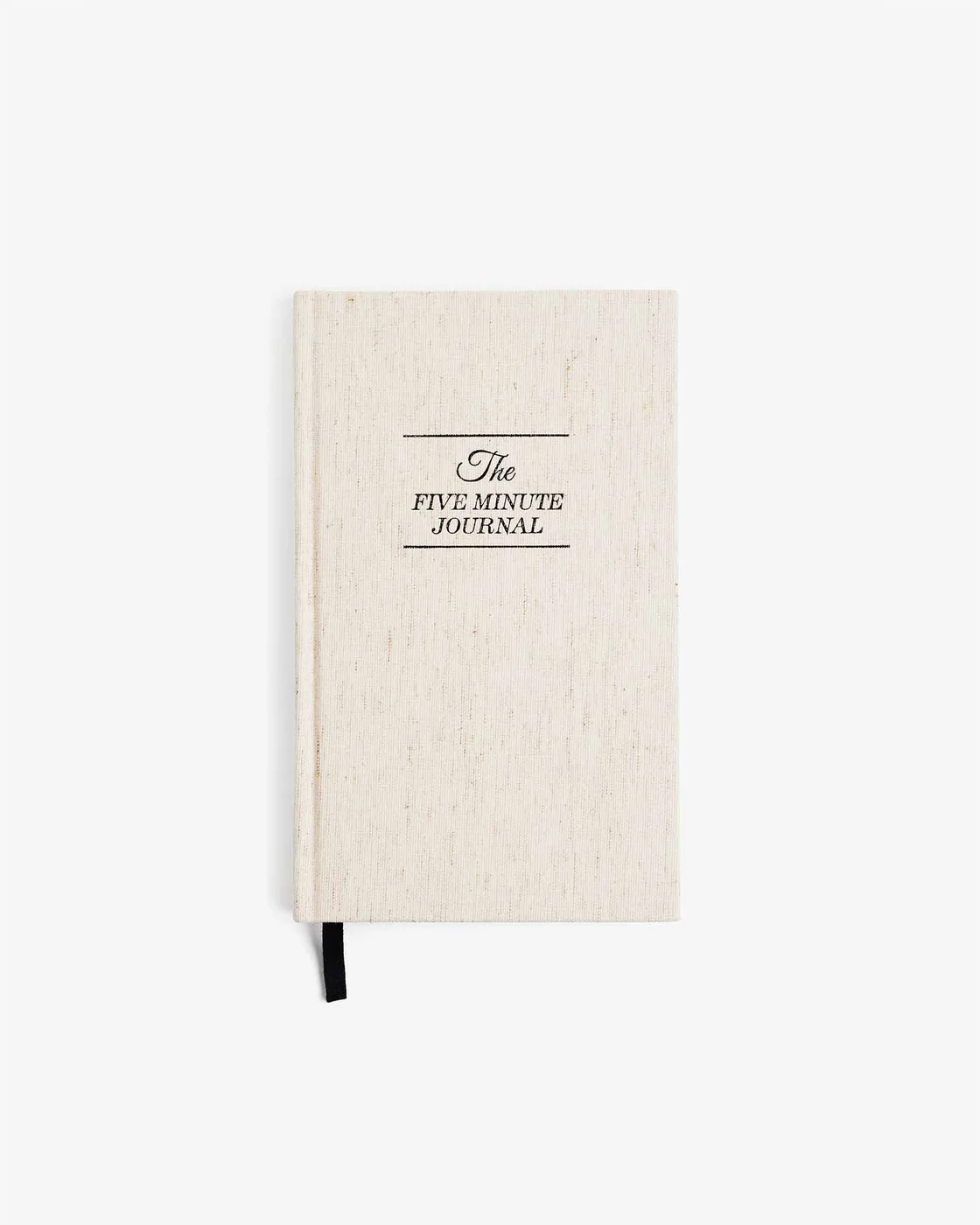
The Five Minute Journal by Intelligent Change is arguably the easiest journal to start using. Its morning section asks three questions: what are you grateful for, what would make today great, and what is your daily affirmation. The evening section asks for three highlights and one improvement. Total time: under five minutes.
For beginners who are skeptical about journaling or worried about time, this journal removes every objection. The prompts are simple enough that you can answer them in bed, on the train, or while drinking your morning coffee. The premium linen hardcover and weekly challenge pages make it feel valuable despite its simplicity.
The limitation is growth. After a few months, the prompts can feel repetitive, and five minutes does not allow for deep self-reflection. But as a starting point — a way to prove to yourself that journaling works — it is the lowest-friction option available.
- Under 5 minutes per day — the lowest time commitment
- Simple morning + evening format with clear prompts
- No blank pages — every section is guided
- Weekly challenges for slight variety
- Premium linen hardcover and quality paper
- 6-month duration with inspirational quotes
Specifications
| Product Name | The Five Minute Journal |
| Brand | Intelligent Change |
| Size | 6.3" x 8.5" |
| Pages | ~264 |
| Duration | ~6 months |
| Format | Guided, undated |
| Cover | Linen hardcover |
| Price | ~$29.99 |
Verdict
The easiest possible entry point into journaling — under 5 minutes, zero friction, and a proven system for building daily gratitude and awareness.
One Line a Day — Best for People Who Want the Minimum Viable Journal
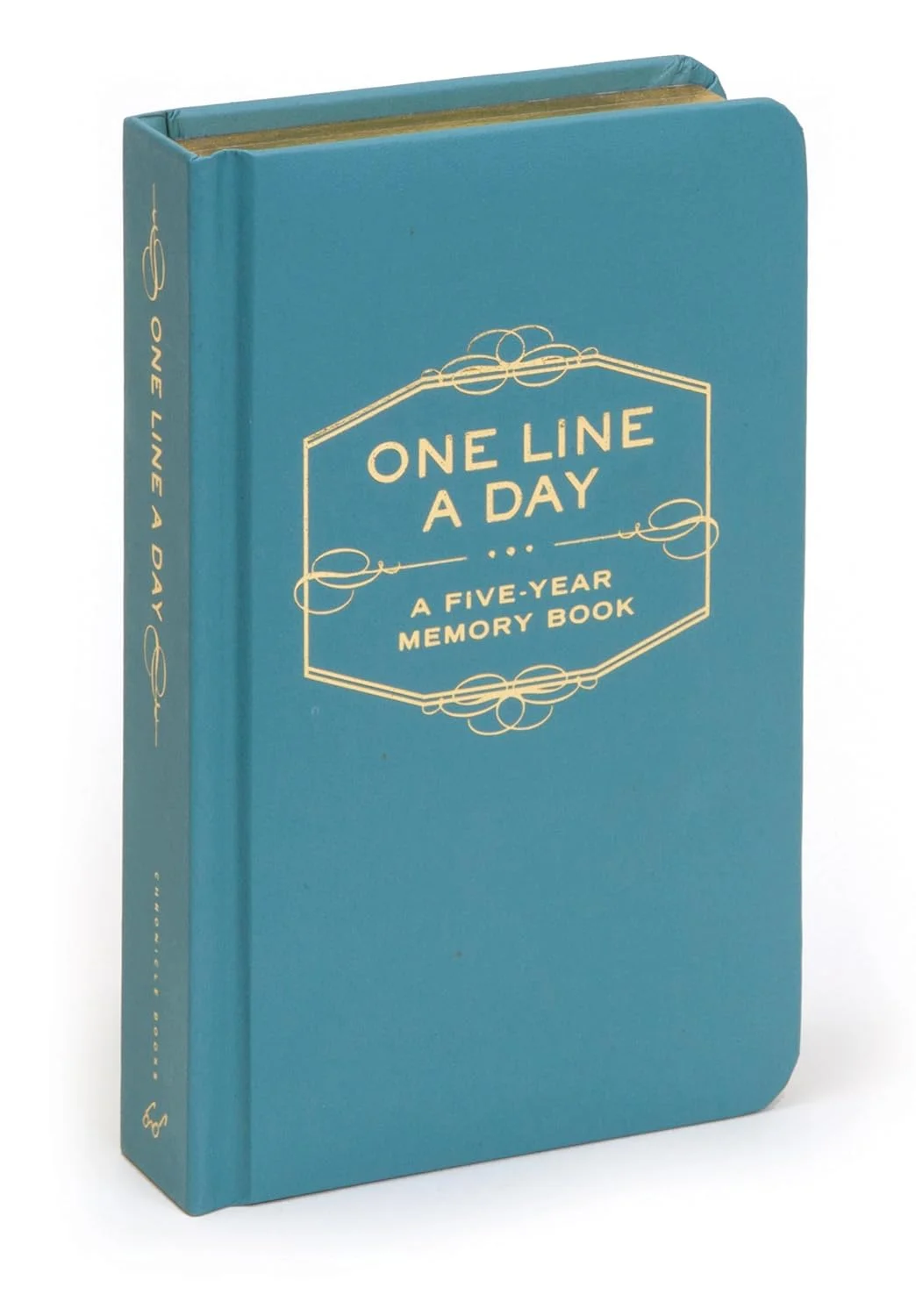
The One Line a Day by Chronicle Books strips journaling to its absolute essence: one sentence per day. Each page shows the same date across five years, so over time you build a portrait of your life one line at a time. The practice takes under a minute.
For beginners who are genuinely intimidated by journaling, this journal proves that meaningful reflection does not require pages of writing. Choosing one sentence to capture your day is itself an act of discernment — it forces you to identify what mattered most. And comparing your line from this year to last year reveals growth you would never notice otherwise.
The gold-embossed fabric hardcover and acid-free paper make it a keepsake. At approximately $12 for five years of use, it is the most cost-effective journal available. The trade-off is obvious — one line cannot provide the depth of structured reflection. But as a starting point, it builds the habit of daily attention with virtually no barrier.
- One sentence per day — under 1 minute
- 5-year format shows how you change over time
- No prompts — complete freedom in your one line
- Gold-embossed fabric hardcover for keepsake quality
- Acid-free archival paper
- Most affordable option at ~$12 for 5 years
Specifications
| Product Name | One Line a Day: A Five-Year Memory Book |
| Publisher | Chronicle Books |
| Size | 3.5" x 6.5" |
| Pages | 372 |
| Duration | 5 years |
| Format | Dated, unguided |
| Price | ~$11.99 |
Verdict
The ultimate minimum viable journaling practice — one sentence, under one minute, across five years. Perfect for proving that consistency beats intensity.
Start Where You Are — Best for Creative Beginners
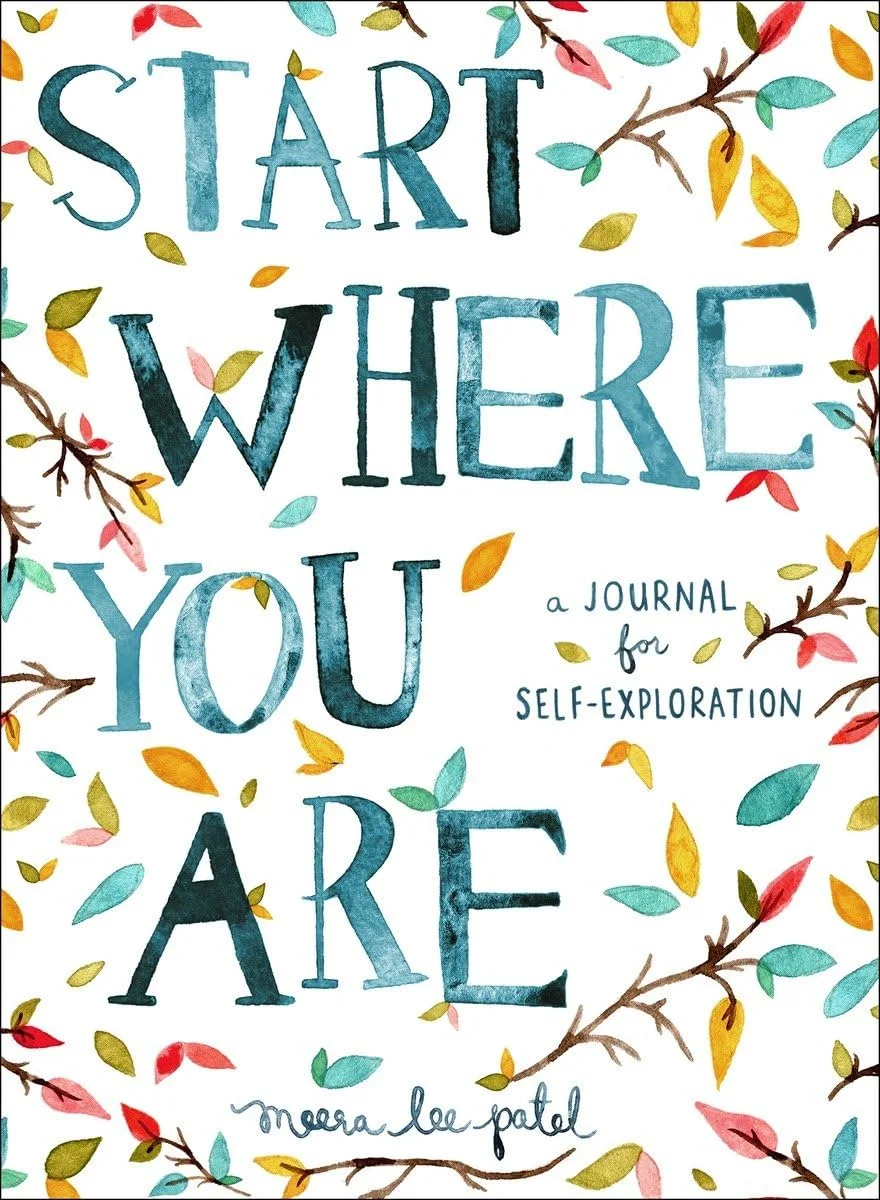
The Start Where You Are by Meera Lee Patel is designed for people who would rather draw, list, or create than write paragraphs. The watercolor illustrations and varied prompts make it feel more like an art project than a journal — which is exactly why it works for creative-minded beginners.
Each page offers a different exercise: sometimes you write, sometimes you draw, sometimes you map your thoughts or create lists. This variety keeps the practice fresh and prevents the boredom that kills many journaling habits. There is no daily schedule, so you use it at whatever pace feels right.
At approximately $12, it is one of the most affordable journals available. The open-ended format means you set the pace, but that same freedom means you need some self-motivation to stay consistent. It is a perfect starter journal for someone who thinks they are not a journal person — because it does not look or feel like a traditional journal.
- Watercolor illustrations create a non-intimidating aesthetic
- Varied exercises: writing, drawing, listing, mapping
- No daily schedule — use at your own pace
- Designed for creative thinkers who resist traditional journaling
- Approachable prompts that feel like self-exploration, not homework
- Affordable at ~$12
Specifications
| Product Name | Start Where You Are |
| Author | Meera Lee Patel |
| Size | 6.5" x 8.5" |
| Pages | 128 |
| Duration | Open-ended |
| Format | Unstructured / self-paced |
| Price | ~$11.99 |
Verdict
The best starter journal for creative people who think they do not like journaling — varied, beautiful, and low-pressure.
Panda Planner — Best for Beginners Who Want Planning + Gratitude
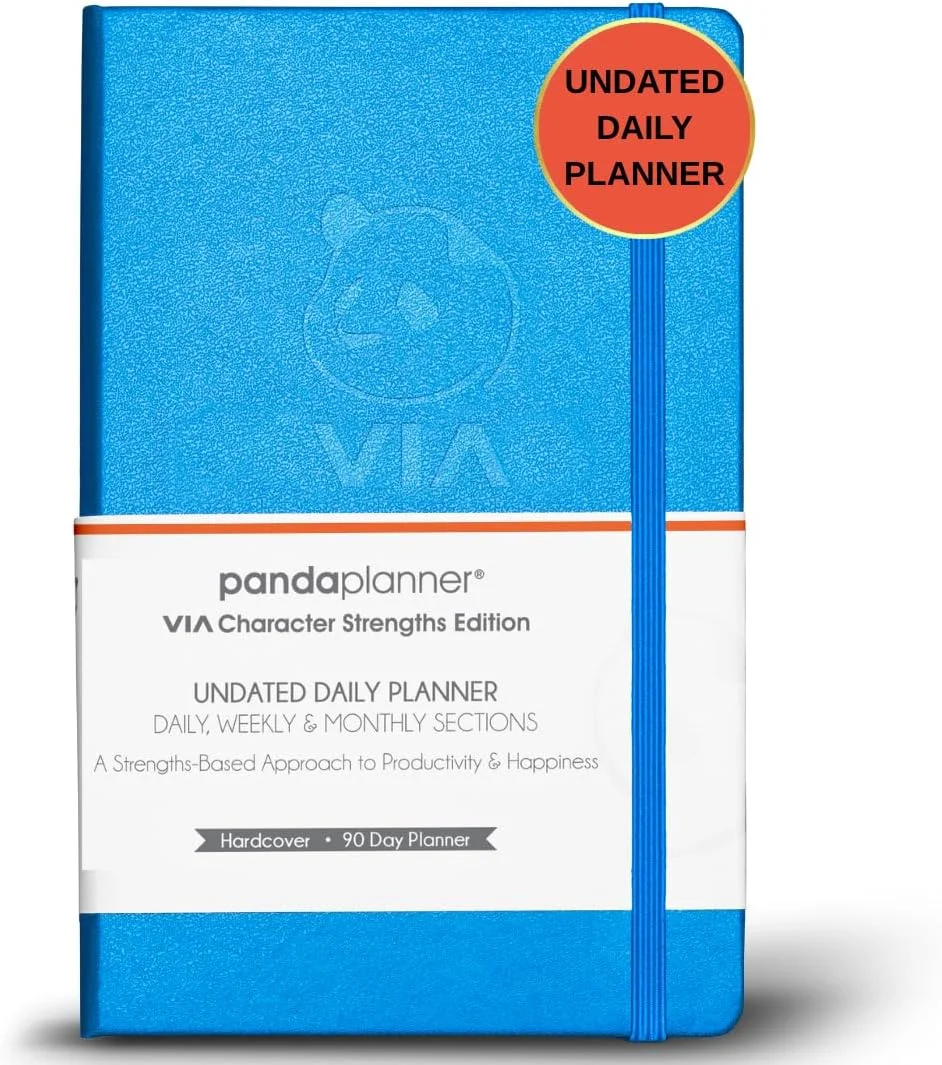
The Panda Planner is ideal for beginners who want to combine journaling with practical daily planning. Based on positive psychology research, each page includes prioritized tasks, gratitude prompts, a mindfulness moment, and an end-of-day review. You get the benefits of journaling without feeling like you are writing a diary.
For beginners who resist journaling because it feels unproductive, the Panda Planner solves that objection. It is functional enough to replace a to-do list while sneaking in gratitude and reflection. The guided format eliminates blank-page anxiety, and the 90-day commitment is long enough to build a habit without feeling like a lifetime sentence.
At $19.99, it is the most affordable structured journal on this list. The vegan leather hardcover looks professional, and the lay-flat binding makes daily use comfortable. For beginners who want results they can see and feel, the Panda Planner delivers immediate practical value.
- Daily planning + gratitude + mindfulness in one system
- Science-backed positive psychology design
- Guided format — no blank pages
- 90-day format is a manageable starting commitment
- Monthly overviews and 13 weekly reviews
- Most affordable structured option at $19.99
Specifications
| Product Name | Panda Planner Classic |
| Size | 5.75" x 8.25" |
| Pages | ~240 |
| Duration | 90 days |
| Format | Undated |
| Cover | Vegan leather hardcover |
| Price | $19.99 |
Verdict
The best starter journal for people who want the benefits of journaling combined with practical daily planning — structured, affordable, and immediately useful.
How to Choose Your First Journal
Your first journal should match your personality and remove your biggest excuse for not using it.
If your excuse is “I don’t know what to write”, choose a guided journal. The iAmEvolving Journal and Panda Planner both tell you exactly what to write each day.
If your excuse is “I don’t have time”, choose The Five Minute Journal (5 minutes) or One Line a Day (1 minute). Start small and build from there.
If your excuse is “journaling isn’t my thing”, choose Start Where You Are. Its creative format proves that journaling can look like whatever you need it to look like.
If your excuse is “it feels pointless”, choose the Panda Planner. It combines journaling with planning so every entry has immediate practical value.
Tips for Sticking With Your First Journal
The biggest challenge for beginners is not starting — it is continuing. Here is what research and experience show about building a journaling habit that lasts:
- Attach it to an existing routine. Journal right after your morning coffee or right before bed. Linking it to something you already do makes it automatic.
- Start with less than you think you need. Five minutes is better than zero. One line is better than nothing. Consistency beats intensity every single time.
- Keep your journal visible. If it is in a drawer, you will forget it exists. On your nightstand, next to your coffee maker, or on your desk — visible means used.
- Do not judge your writing. This is not English class. Messy handwriting, incomplete sentences, and scattered thoughts are all perfectly fine. The point is the practice, not the prose.
For more practical advice on getting started, what is journaling explains the practice from the ground up.
Conclusion
The best journal for beginners is the one that removes your personal barriers to starting. If structure is what you need, choose a guided journal. If time is the issue, choose a 5-minute or 1-line format. If traditional journaling feels wrong, choose a creative option. The format matters far less than the act of showing up.
I started journaling with a blank Moleskine notebook that I used exactly three times before giving up. Then I tried a guided journal with daily prompts, and everything changed. The prompts gave me a starting point, the structure gave me a finish line, and the short time commitment made it impossible to argue that I was too busy. Within a month, journaling went from something I tried to something I needed. Every beginner deserves a journal that makes that transition as easy as possible.
If you want even more guidance, journaling foundations covers the principles behind effective journaling so you can build a practice that grows with you.
Start your daily practice of gratitude, goals, and growth.
Get the Journal →A gentle 7-day reset to help you slow down, feel steadier, and reconnect — in just 5–10 minutes a day.
Start the ResetA simple introduction to daily journaling — gratitude, goals, and habits made easy.
Learn the MethodFrequently Asked Questions About Journals for Beginners
What type of journal is best for beginners?
How long should a beginner journal each day?
What should I write in my journal if I am a beginner?
Is it better to journal in the morning or at night?
What if I miss a day of journaling?