Journaling Routines & Daily Practice
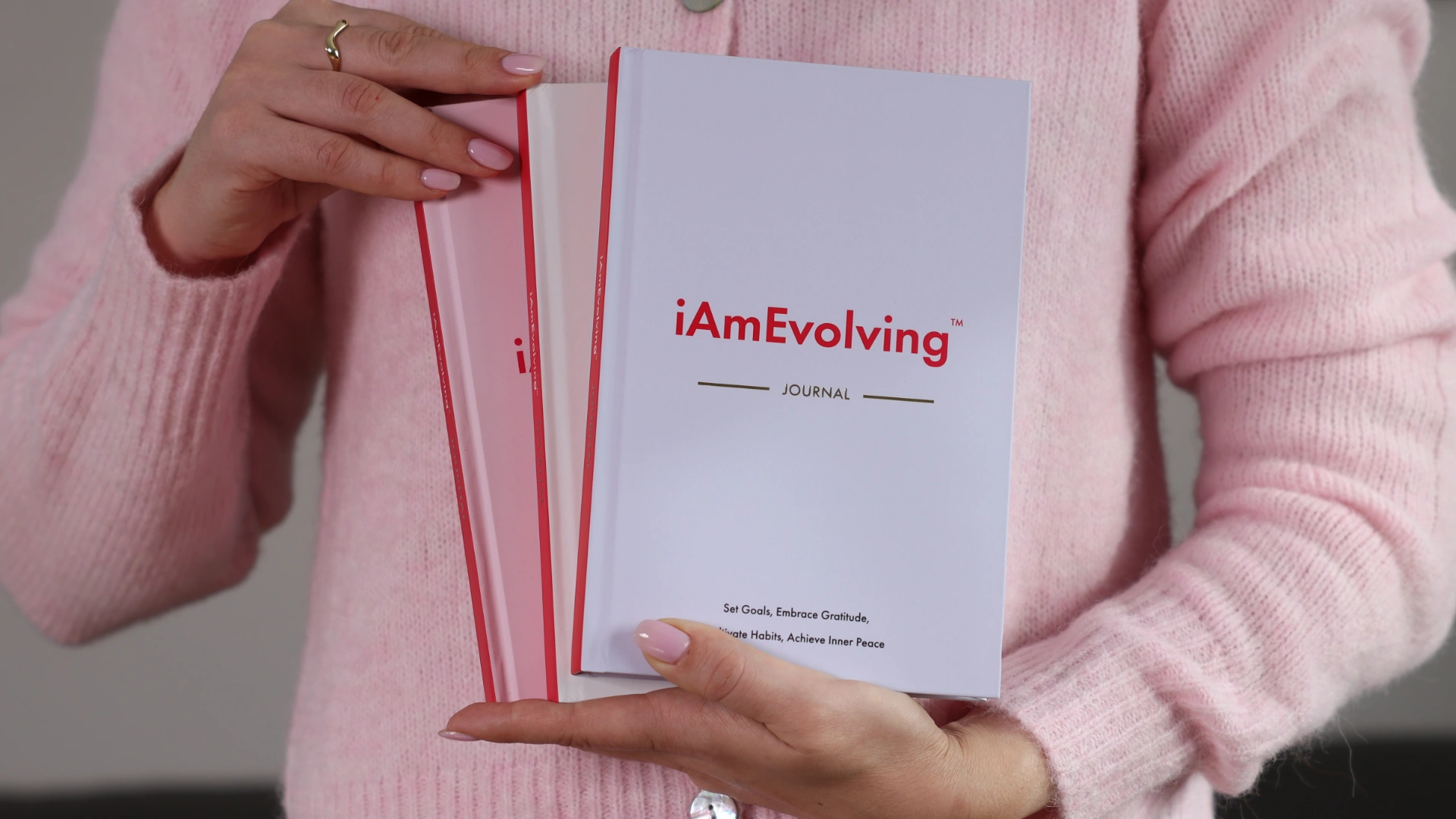
Journaling isn’t just a habit—it’s a ritual of awareness. The more often you return to the page, the more it becomes a mirror of your growth. This section explores how to make journaling a consistent part of your day so that reflection turns into rhythm, and rhythm becomes evolution.
When you turn journaling into a daily practice, you invite stability into your inner world. Writing is how you process, recalibrate, and stay aligned. It helps you slow down and listen to the quiet signals of your mind before they become noise. The act itself doesn’t need to be long—it needs to be honest. Five mindful minutes of reflection each morning can be more transformative than an hour of analysis.
Why Daily Journaling Matters
Daily journaling builds a relationship between thought and awareness. It’s where you meet yourself each day and measure progress not by achievements, but by clarity. When you write daily, you learn to notice patterns, release emotional residue, and reconnect with the intention behind your actions. Writing consistently helps the mind stay decluttered—it becomes an emotional hygiene practice, keeping thoughts organized and emotions acknowledged.
As How to Build a Journaling Habit That Lasts explains, consistency grows from simplicity. Create an easy, repeatable process that fits your energy levels. When journaling becomes simple enough to start, it becomes powerful enough to continue.
Creating a Morning Journaling Routine
Morning journaling clears the mind and helps you start the day grounded in gratitude. Before checking your phone or rushing into the day, pause for a few moments of reflection. The early hours offer stillness—when thoughts are clearest, and your intuition speaks the loudest.
Morning Journaling Routine: Start Your Day with Clarity and Intention teaches how to build this mindful ritual. Start by acknowledging three things you’re grateful for. Then set one clear intention for the day: what do you want to embody, feel, or express? Close with a short affirmation—something simple like, “I am grounded and ready for today.”
Example Morning Flow:
- Write three things you appreciate about the present moment.
- Set one intention: “Today, I will act from calm focus.”
- Note one way to take care of yourself during the day.
Even five minutes of morning reflection can shift your mindset from reaction to intention. Over time, this becomes the anchor that steadies you throughout your day.
Designing an Evening Journaling Routine
Evening journaling helps you release tension and transition from activity to rest. It’s a ritual for closure and self-compassion. Before sleep, review your day with kindness—not judgment. Instead of asking, “Did I do enough?” ask, “What did I learn today?”
In Evening Journaling Routine: Reflect, Unwind, and Reset Your Mind, we explore how a few quiet minutes of writing before bed can reduce stress and improve sleep quality.
Example Evening Flow:
- Write one meaningful moment from your day and why it mattered.
- Reflect on one challenge and what it taught you.
- End with a statement of release: “I choose to let go of…”
Evening journaling shifts your mind from mental noise to closure. You sleep better because you’ve already had the conversation with yourself that your mind was trying to have in the dark.
Night Journaling for Deep Rest
Night journaling is a gentler practice—less reflection, more release. In Night Journaling: How Writing Before Bed Calms Your Mind and Improves Sleep, we explore how a few lines can ease overthinking. Try this simple ritual before bed: write down one word to describe your day, one thing you’re grateful for, and one thing you’re ready to release. This clears emotional residue so you can rest peacefully.
Writing just before sleep signals your brain to shift from thinking to letting go. You’re telling your subconscious, “I’m safe, I’ve reflected, I can rest.” This is mindfulness in motion.
Building a Habit That Lasts
To stay consistent, attach journaling to an existing habit. It could be right after brushing your teeth, before your morning walk, or once you sit down for tea. In 10 Journaling Habits That Will Transform Your Life, you’ll find simple techniques to make journaling an effortless rhythm instead of an effort.
Tips for Consistency:
- Keep your journal visible. Out of sight is out of mind.
- Use the same pen, notebook, or spot every time.
- Don’t judge your entries—focus on showing up, not perfection.
Habits are built on identity. When you begin to see yourself as someone who journals, the practice stops feeling optional. It becomes part of who you are.
Weekly and Monthly Check-Ins
Weekly reviews give you perspective. Look back through your entries and notice what’s evolving—your mindset, your priorities, your tone. Highlight key lessons and moments of gratitude. This helps you see progress that’s invisible day to day.
Monthly reflections deepen awareness. Write about what challenged you, what supported you, and what you’re ready to change. You might ask yourself, “What theme ran through this month?” or “What truth did I uncover?” Over time, your journal becomes your most honest mentor—a record of your becoming.
Balancing Structure and Flow
Not every journaling session needs structure. Some days, prompts will help; other days, free writing will set you free. Both have value. Structured journaling provides clarity; intuitive writing offers release. When you allow both, your practice remains alive and flexible.
Explore more guided methods in Journaling Prompts & Guided Writing to support days when you crave direction or inspiration.
How Journaling Routines Support Emotional Balance
Daily writing builds emotional regulation. You begin to catch yourself before you spiral, reflect before reacting, and respond with compassion. When journaling becomes part of your rhythm, life feels less chaotic because you’ve trained your mind to process emotions with awareness.
Journaling routines strengthen focus and mindfulness. Each session, no matter how brief, is a reminder to pause, breathe, and check in. The more you do it, the calmer your baseline becomes. You start living with intention instead of reaction.
Continue Reading
- Morning Journaling Routine: Start Your Day with Clarity and Intention
- Evening Journaling Routine: Reflect, Unwind, and Reset Your Mind
- Night Journaling Before Sleep: Calm Your Mind and Improve Rest
- How to Build a Journaling Habit That Lasts
- 10 Journaling Habits That Will Transform Your Life
Explore More
To revisit the foundations of your journaling journey, explore Journaling Foundations. For mindful approaches to emotional balance and calm, visit Journaling for Mental Health. To integrate journaling into goal setting, gratitude, and habit formation, explore The Ultimate Journaling Guide.
Get more like this, every week
How long should I journal each day?
When’s the best time to journal?
How do I stay consistent?
Should I use prompts or free write?
How does the iAmEvolving Journal help?