Journaling vs Therapy: What’s the Difference?
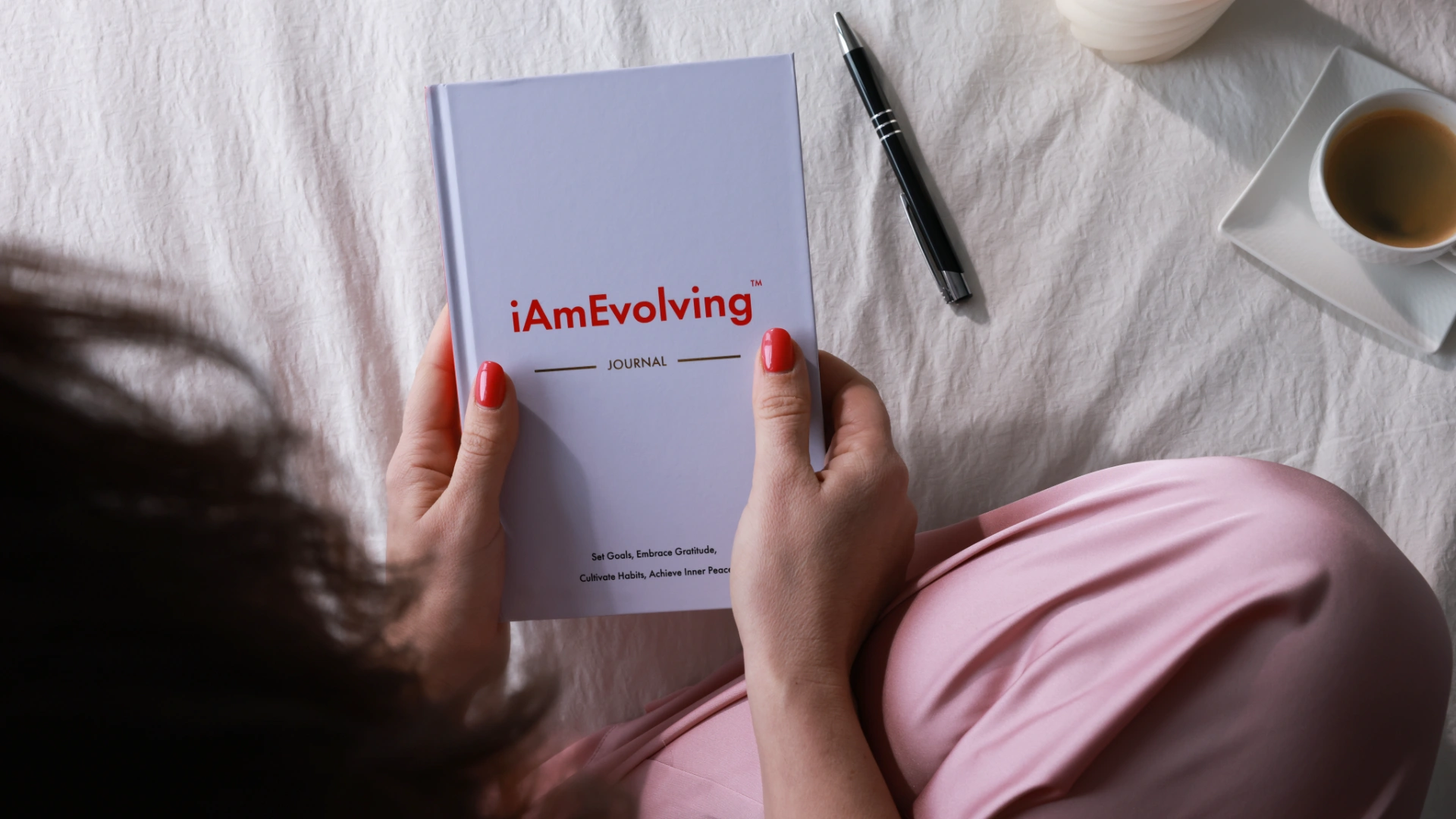
When life feels heavy, you need somewhere to put the weight. For some people, that place is a therapist’s office. For others, it’s a blank page. And for many, it’s both. Journaling vs therapy is not an either-or question — they serve different purposes and can work powerfully together. Understanding what each offers helps you choose the right tool for what you’re carrying.
Journaling is a practice you control. It’s available at 2 AM when anxiety won’t let you sleep. It costs nothing. It asks nothing of you except honesty. Therapy, on the other hand, brings another person into your inner world — someone trained to see patterns you can’t, to ask questions that unlock stuck places, to hold space when the weight is too much to carry alone. Both are valuable. Neither replaces the other.
What Journaling Does Well
Journaling is self-directed reflection. You sit with your thoughts, translate them into words, and watch them take shape on the page. This process alone creates distance — suddenly, the swirling anxiety in your chest becomes sentences you can read, examine, and respond to.
The benefits of journaling are well-documented. Regular writing practice reduces stress, improves emotional clarity, and helps you process difficult experiences. When you write about what’s bothering you, your brain begins organizing the chaos. Patterns emerge. Solutions appear. The problem that felt overwhelming at midnight often looks more manageable by morning.
Journaling also builds self-awareness over time. When you write consistently, you start noticing your own tendencies — the situations that trigger you, the thoughts that spiral, the beliefs that hold you back. This awareness is the foundation of change. You can’t shift what you can’t see.
Journaling excels at:
- Daily emotional processing and release
- Tracking patterns in mood, behavior, and thought
- Working through decisions and gaining clarity
- Building self-awareness over time
- Practicing gratitude and shifting perspective
- Setting intentions and reflecting on progress
- Capturing insights between therapy sessions
If you’re new to the practice, starting journaling for self-improvement can feel like discovering a tool you didn’t know you needed. It’s always available, infinitely patient, and completely private.
What Therapy Does Well
Therapy brings expertise and external perspective into your healing process. A trained therapist can identify patterns you’ve lived inside so long you can’t see them anymore. They can name what you’re experiencing — the clinical term for your symptoms, the attachment style shaping your relationships, the cognitive distortions running your inner monologue.
More importantly, therapy provides a relational experience. Many of our deepest wounds happened in relationship — with parents, partners, or peers who hurt us. Healing often requires a corrective relational experience: someone who listens without judgment, who stays present when you share difficult things, who reflects back your worth when you can’t see it yourself.
Therapists are also trained to work with clinical conditions that journaling alone cannot address. Depression, anxiety disorders, PTSD, and other mental health conditions often require professional intervention — sometimes including medication, specialized therapeutic techniques, or simply the accountability of regular appointments.
Therapy excels at:
- Diagnosing and treating clinical mental health conditions
- Processing trauma with professional guidance
- Identifying blind spots and unconscious patterns
- Providing accountability and structure for change
- Offering tools and techniques you wouldn’t discover alone
- Supporting you through crisis or major life transitions
- Working through relational wounds in a safe relationship
The Key Differences Between Journaling and Therapy
Understanding where these practices differ helps you use each one effectively.
Guidance vs. self-direction. Therapy provides expert guidance. Your therapist asks questions, offers interpretations, and suggests directions you might not have considered. Journaling is entirely self-directed — you choose what to explore and how deep to go. This freedom is powerful, but it also means you might avoid the hard places a therapist would gently push you toward.
External perspective vs. internal exploration. A therapist sees you from outside your own story. They notice contradictions, ask clarifying questions, and reflect back what they observe. Journaling keeps you inside your own perspective — valuable for self-discovery, but limited by your blind spots.
Scheduled sessions vs. on-demand access. Therapy happens at set times, usually weekly. Between sessions, you’re on your own. Journaling is available whenever you need it — during a panic attack at 3 AM, on your lunch break after a difficult meeting, or in the waiting room before a hard conversation.
Relational healing vs. solitary processing. Some wounds need another person to heal. If you struggle to trust, to feel seen, or to accept care, the therapeutic relationship itself becomes part of the healing. Journaling can’t provide this — it’s a conversation with yourself, not another human being.
Cost and accessibility. Therapy costs money, often significant amounts. It requires finding a therapist, scheduling appointments, and showing up consistently. Journaling costs nothing beyond paper and pen. It requires no appointments, no referrals, no waiting lists.
Get more like this, every week
When Journaling Is Enough
For many people in many seasons, journaling provides sufficient support for emotional wellbeing. If you’re generally functional — able to work, maintain relationships, and manage daily life — regular journaling can help you stay grounded, process stress, and continue growing.
Journaling is often enough when you’re:
- Processing everyday stress, not acute crisis
- Working through a decision or life transition
- Building self-awareness and emotional intelligence
- Maintaining mental health between therapy phases
- Exploring questions about identity, purpose, or direction
- Practicing gratitude, mindfulness, or intention-setting
Many people find that consistent journaling for mental health keeps them stable enough that they don’t need ongoing therapy. The practice catches small problems before they become big ones, processes daily stress before it accumulates, and maintains the self-awareness that helps you live intentionally.
When Therapy Is Necessary
Sometimes journaling isn’t enough. Recognizing when you need professional support is a sign of wisdom, not weakness.
Consider seeking therapy when:
- Your symptoms interfere with daily functioning — you can’t work, sleep, or maintain relationships
- You’re experiencing persistent depression, anxiety, or other mental health symptoms
- You have a history of trauma that continues to affect your life
- You’re in crisis — suicidal thoughts, self-harm, or complete overwhelm
- You’ve been journaling but feel stuck, cycling through the same issues without progress
- You need professional diagnosis or medication management
- You’re going through a major life event — divorce, grief, job loss — and need extra support
If you’re unsure whether you need therapy, that uncertainty itself might be worth exploring with a professional. Many therapists offer initial consultations to help you determine whether therapy is right for your situation.
How Journaling and Therapy Work Together
The most powerful approach often combines both practices. Journaling between therapy sessions extends the work you do in the room. You can process what came up, capture insights before they fade, and notice what questions to bring next time.
Before sessions: Journal about what’s been on your mind since your last appointment. What patterns have you noticed? What’s been difficult? What do you want to explore? Arriving with this clarity helps you use session time more effectively.
After sessions: Write about what came up during therapy. What resonated? What surprised you? What do you want to remember? This processing deepens the work and helps integrate insights into daily life.
Between sessions: Use journaling to work through anxiety and difficult emotions as they arise. You don’t have to wait a week to process something hard. Write it out, then bring it to your next session if you need support.
Some therapists actively encourage journaling and may even assign prompts or exercises to complete between appointments. If yours doesn’t, you can still use your journal as a companion to the therapeutic process.
Starting Your Own Practice
If you’re not currently in therapy and not in crisis, journaling is an excellent place to start building emotional awareness and resilience. You might discover that regular writing practice gives you what you need. Or you might uncover issues that would benefit from professional support — and that’s valuable information too.
Begin simply. You don’t need a complicated system or perfect prompts. Just write what’s true right now. What are you feeling? What’s weighing on you? What do you need? Let the page hold what your mind is carrying.
If you want more structure, journaling prompts for self-discovery can guide your exploration. The iAmEvolving Journal provides a framework that combines reflection, gratitude, and intention-setting — a daily practice designed to support your mental and emotional wellbeing.
The Right Tool for Right Now
Journaling vs therapy isn’t a competition. They’re different tools for different needs, and what you need may change over time. You might journal daily and see a therapist monthly. You might do intensive therapy for a season, then maintain with journaling alone. You might journal for years before deciding therapy would help you go deeper.
What matters is that you have support — a place to process what life brings, a practice that helps you understand yourself, a path toward becoming who you want to be. Whether that support comes from a blank page, a trained professional, or both, the important thing is that you’re doing the work.
You deserve to feel understood. Sometimes you find that understanding on the page. Sometimes you find it in the presence of another person. Often, you find it in both.
For more on how journaling supports emotional wellbeing, explore our complete guide to journaling for mental health.
Start your daily practice of gratitude, goals, and growth.
Get the Journal →A gentle 7-day reset to help you slow down, feel steadier, and reconnect — in just 5–10 minutes a day.
Start the ResetA simple introduction to daily journaling — gratitude, goals, and habits made easy.
Learn the MethodFAQ: Journaling vs Therapy
Can journaling replace therapy?
Is journaling a form of therapy?
Should I journal before or after therapy sessions?
What if journaling brings up things I can’t handle alone?