7 Early Signs of Emotional Overload at Work (Before It Becomes Burnout)

The signs of emotional overload at work almost always appear weeks before anyone names the problem out loud. They show up as small irritations, missed details, a strange flatness in conversations that used to feel meaningful. Most people miss them because they assume real overload looks dramatic. It almost never does in the early stages. By the time the dramatic version arrives, the body has been signaling for a long time, and the response is no longer “rest a little.” It’s “rebuild from a deeper hole.” Catching the early signs is the difference.
This guide is a working list of the seven earliest, most reliable signs of emotional overload at work, plus the small interventions that actually help when you spot them. Not the late-stage symptoms that show up in burnout-recovery articles. The subtle warnings that, if heeded, prevent the slide into full emotional burnout at work from ever happening. If something in this list feels uncomfortably familiar, that’s useful data, not a problem.
Sign 1: You’re Reactive to Small Things at Home
The earliest reliable signal of emotional overload at work rarely shows up at work. It shows up at home, on a Wednesday evening, in a disproportionate reaction to something tiny. The dishwasher being half-loaded the wrong way. The wrong inflection in a partner’s question. A child asking for help right when you sat down. The reaction is too big for the trigger, and the gap between the size of the trigger and the size of the response is the data.
What’s happening physiologically: the workday spent suppressing minor emotional responses uses up the capacity that would normally absorb home stimuli. The home setting is safer, so the suppression releases there. Noticing this pattern is the earliest warning. The fix isn’t to suppress harder at home. It’s to release more deliberately at work, which is what the rest of the signs and interventions in this guide are about.
Sign 2: You Can’t Remember What You Did on Tuesday
Emotional overload at work compresses memory. When the nervous system is running in low-grade survival mode all week, the days lose their texture and blur into each other. You can recount what you delivered, but you can’t reconstruct how Tuesday afternoon felt. That texture is what the body usually encodes when it’s regulated. Losing it is a sign the system is conserving capacity by skipping the encoding.
Quick check: take five minutes on Friday afternoon and try to describe each weekday in three details. Not what you did. What it felt like. If three or more days return as a blur, that’s a real signal. Monitoring and mapping emotions across the week restores enough texture to catch this pattern early.
Sign 3: Your Recovery Activities Stop Recovering You
The walk that used to clear your head doesn’t anymore. The yoga class still feels good while you’re in it but the effect dissolves by the time you reach the parking lot. The weekend that used to reset you now leaves you facing Monday with the same flatness you brought into Friday. This is one of the most reliable signs of emotional overload at work because it’s measurable: the same recovery practice is producing less recovery output. The capacity to receive rest has narrowed.
The mistake at this stage is to add more recovery activities. A second yoga class, a longer Sunday run, a meditation app subscription. None of these fix the underlying issue, which is that the work side is depleting faster than the recovery side can replenish. The intervention has to happen at work, not in weekend leisure.
Sign 4: Your Empathy Becomes Selective
The colleague who’s always had problems suddenly grates on you. The client request that you would have handled gracefully two months ago now triggers a tight, internal “are you serious” response. The empathy hasn’t disappeared, but it’s narrowed. It still works for the people closest to you and shuts off for everyone else. This narrowing is a protective response from a nervous system that’s running too hot. Empathy is metabolically expensive, and the body is conserving fuel.
This sign is particularly important because it has secondary consequences. Selective empathy damages workplace relationships, which then creates more emotional friction at work, which deepens the overload. It’s a feedback loop, and it accelerates fast once it starts. Noticing the narrowing is the moment to act, not the moment to push through.
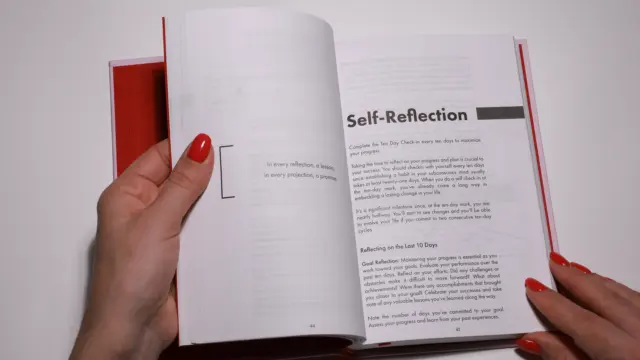
Get the 7-signs check-in worksheet
Sign 5: You’re Doing More But Feeling Less Effective
Hours go up, output stays flat or drops. This is the most measurable sign on the list and also the most commonly misread. The instinct is to assume the work has gotten harder or that you’ve lost focus. Sometimes that’s true. More often, especially when the hours-up-output-flat pattern persists for two weeks or more, it’s a sign that emotional overload at work has consumed the cognitive capacity that used to make the same hours productive. You’re running at the same speed with the brakes lightly engaged the whole time.
The fix here is counterintuitive. The right response is fewer hours of higher-quality work, not more hours of compromised work. Most people instinctively respond to declining productivity by working longer, which deepens the overload. Cutting one hour from the workday and using it for a single, deliberate decompression practice (a walk without a podcast, a journaling entry, twenty minutes of silence) usually restores enough capacity to make the remaining hours genuinely effective.
Sign 6: You’re Avoiding One Specific Task or Person
Emotional overload at work shows up topographically. There’s almost always one specific task, one specific person, one specific recurring meeting that you’ve started avoiding without saying so. The avoidance is selective and a little embarrassing. You’re not generally avoidant. You’re avoiding this one thing. The selectivity is the diagnostic.
Underneath the avoidance is usually unresolved emotional content from a past interaction with that task or person. The system is conserving by routing around it instead of processing it. The intervention is small but effective: name the avoidance privately (in a journal, not to a colleague), then do the avoided thing first thing the next morning, before the day’s emotional capacity gets used up by other demands. The act of facing it deliberately, with full morning capacity, often dissolves the avoidance pattern in one or two repetitions.
Sign 7: Sundays Feel Heavy by Lunchtime
The Sunday-evening dread that lots of people experience is normal. The Sunday-by-noon dread is not, and it’s one of the latest of the early signs. By the time Sunday lunch carries the weight of Monday morning, the recovery window between Friday evening and Monday morning has collapsed from 60 hours to about 18. That’s a significant compression and signals that the workweek is starting to consume the weekend.
This sign is important because it tends to be the last one before things tip into actual burnout. If you’ve noticed Sundays getting heavier earlier in the day over a few weeks, take the pattern seriously. The interventions in this guide work earlier in the slide. They still work here, but the response window narrows and the recovery costs more. A weekly reset routine can buy back some of the Sunday space if applied deliberately.
What to Do When You Notice the Signs
Three small interventions, applied early, tend to reverse the slide. None of them require time off, structural changes, or conversations with management. They work because they introduce small recovery loops inside the workday itself, which is where the depletion is happening.
- One five-minute decompression between meetings. Not a coffee. Not a social interaction. Five deliberate minutes with eyes closed or looking out a window. The pause only has to be unstructured, with no need to be productive.
- A Friday-afternoon reset entry. Five minutes in a journal answering one question: “What did I quietly carry this week that I haven’t put down?” Naming it on a page is most of the discharge.
- One firm boundary that costs almost nothing. The most achievable one for most people: phone away during one meal a day. What matters is less the meal than the experience of holding a small boundary that the day used to dissolve.
Emotional overload at work is reversible at the early-signs stage with interventions this small. Past the early-signs stage, the same patterns can still be reversed, but the recovery costs more and the slide tends to require external support. The whole point of recognizing the seven signs is to catch the slide while small things still work.

Start your daily practice of gratitude, goals, and growth.
Get the Journal →
A free 30-day gratitude journal designed for a simple daily practice. Calm, minimal, and printable to help you slow down and reflect.
ExploreFrequently Asked Questions
What are the earliest signs of emotional overload at work?
How is emotional overload different from burnout?
Can I reverse emotional overload at work without taking time off?
How long does it take to see improvement once I act?
Should I talk to my manager about emotional overload?