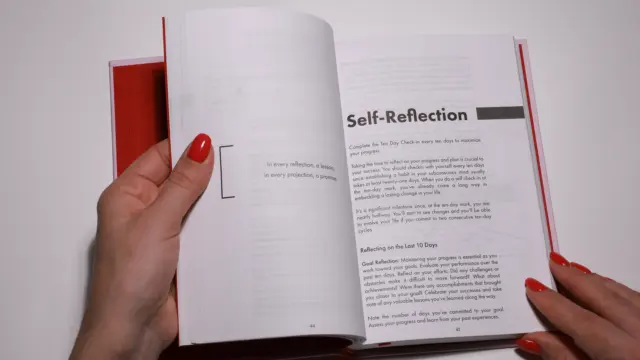
Inner Harmony for Beginners: Where to Start and What to Practice
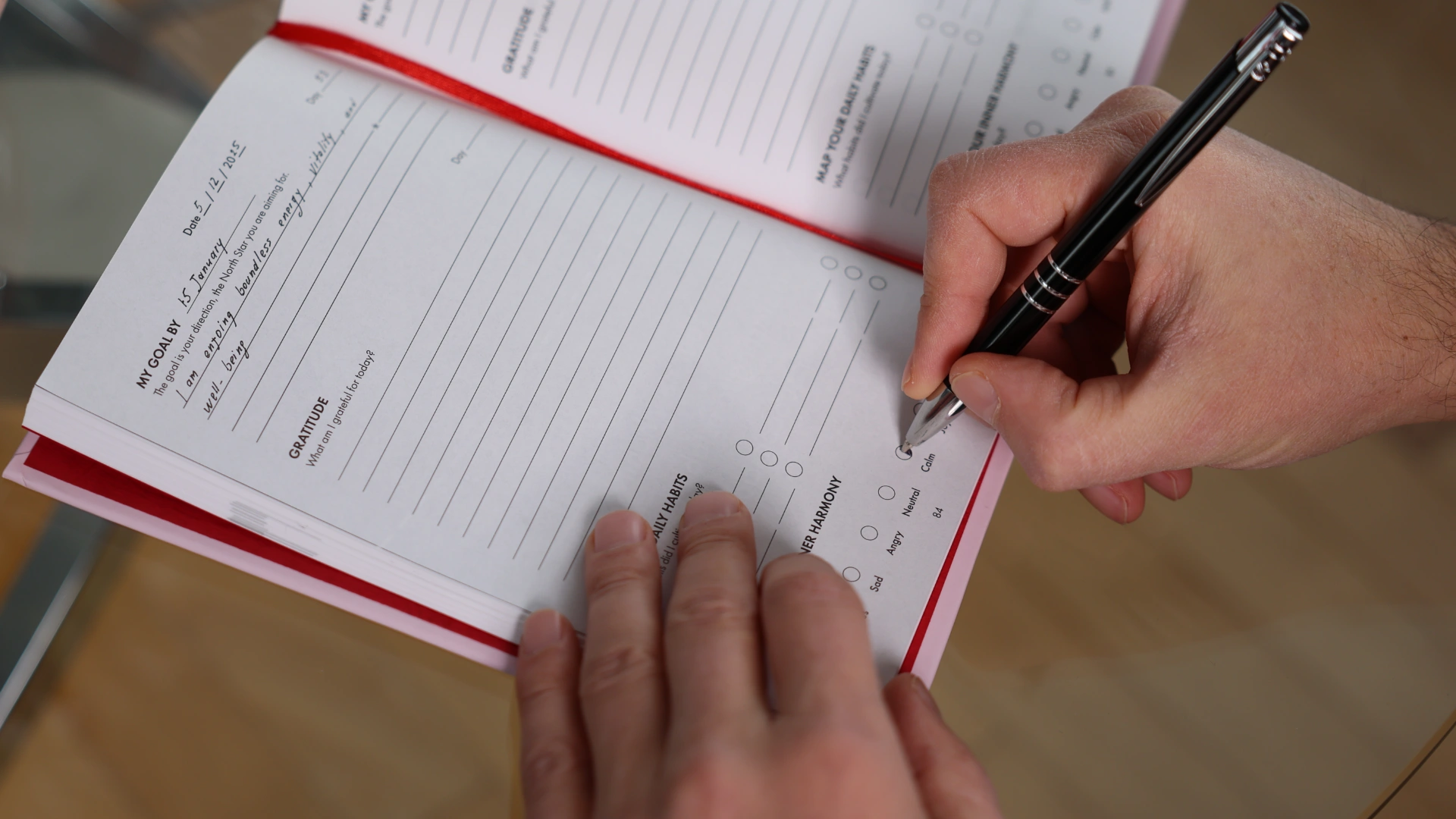
Inner harmony for beginners starts with noticing, not fixing. Inner harmony is the ability to feel the full range of your emotions while still finding your way back to a steady center, and the first skill it asks for is simple awareness of where you are right now. There is no need to feel calm all the time, meditate for an hour, or change your personality. A starting point and a small daily practice you can keep are enough.
This page is that starting point. It lays out the inner harmony path in the order that makes it easiest to learn, shows you which guide to read at each step, and gives you a ten-day check-in to find your personal baseline. When you want the bigger picture of how it all fits together, the inner harmony guide covers every step in depth.
Where Inner Harmony for Beginners Really Starts
Most people come to inner harmony hoping to feel calm more often. That is a fair hope, but it can lead you to the wrong first move: trying to push difficult feelings away. Beginners usually make faster progress by doing the opposite. They get curious about what they feel before they try to change it.
| Common beginner belief | What actually helps |
|---|---|
| I should feel calm most of the time | Notice how you feel, whatever it is, without grading it |
| Difficult emotions mean I am failing | Difficult emotions are information about what you need |
| I need a big routine to start | A one-minute daily check-in is enough to begin |
| I will understand myself by thinking harder | Patterns show up when you write things down over days |
| Balance means never being thrown off | Balance means coming back to center sooner |
That last row is the heart of it. Inner harmony is not a permanent state you reach and keep. It is a return you practice. The more often you notice that you have drifted, the faster the return becomes.
Your Inner Harmony Path in Four Steps
The inner harmony guides on this site follow a natural order. Each step builds on the one before it, so if you are new, this is the easiest way through them.
| Step | What you learn | Start with |
|---|---|---|
| 1. Understand | What inner harmony is and is not | Inner harmony meaning |
| 2. Notice | How to observe and track your emotions | Monitoring and mapping emotions |
| 3. Regulate | How to respond instead of react | Regulating emotions and state |
| 4. Return | How to come back to center each day | Stillness and evening resets |
Step 1: Understand What You Are Practicing
Before you practice anything, it helps to know what you are aiming for. The guide to inner harmony meaning explains the idea in plain language, including how it differs from inner peace and what it looks like on an ordinary day. Read it once, then come back here and move on. Understanding is the doorway, not the destination.
Step 2: Notice and Map Your Emotions
Awareness is the real foundation. Once you start naming what you feel, you will see that your emotions follow patterns linked to sleep, people, work, and the stories you tell yourself. Monitoring and mapping emotions teaches you how to observe without overthinking, and mapping your inner harmony shows how to see where you sit on the emotional spectrum from day to day.
Step 3: Learn to Regulate
Noticing creates a small pause between a feeling and your reaction to it. Regulation is what you do inside that pause. The guide to regulating emotions and state covers practices for the moment and for the long run. If you want one tool to start with, mindful breathing is the simplest, because your breath is always with you.
Step 4: Return to Center Every Day
The last step is less a skill than a rhythm. Small daily habits give you a place to come back to when life gets loud. Finding stillness in a busy world shows how to create quiet moments inside a full schedule, and evening routines for an emotional reset help you close the day without carrying all of it into the night.
What to Expect in Your First Few Weeks
Beginners are often surprised that the first week of paying attention can feel worse, not better. You are not becoming more anxious or more sad. You are noticing what was already there. That is progress, even when it does not feel like it.
By the second or third week, most people start to see patterns. Maybe your mood dips on days you skip lunch, or lifts after a short walk, or drops every Sunday evening. These patterns are the real reward of the early weeks, because they tell you exactly where small changes will help most.
Expect some days to feel scattered no matter what you do. Inner harmony shows in how quickly you find your way back, more than in how rarely you are thrown off balance.
Get more like this, every week
Common Beginner Mistakes
- Grading your feelings. A low day is not a failed day. The aim of noticing is honesty, not a high score.
- Only checking in on bad days. Good days hold just as much information. They show you what is already working.
- Changing everything at once. Pick one small practice, keep it for ten days, then decide whether to add another.
- Skipping the review. Daily notes become useful when you read them back. Without a review, patterns stay hidden.
- Expecting a permanent calm. Life will keep moving. The skill is returning, again and again.
Choosing a Tool That Fits You
You can practice inner harmony with a notebook, an app, or a printed journal. What matters most is that the tool makes a daily check-in quick and easy to repeat. Many people find a dedicated journal helps, because the page itself reminds you to pause. If you are comparing options, this review of the best mindfulness journals walks through formats and what to look for.
Whatever you choose, keep the check-in short. A practice that takes one or two minutes will survive busy days. A practice that takes twenty usually will not.
How to Find Your Inner Harmony Baseline in 10 Days
Choose one moment each day
Rate how you feel from 1 to 9
Write one line about what moved it
Try one steadying practice on low days
Find your baseline on day ten
Start Small, Start Today
Inner harmony is a daily return you get better at with practice, and you never really finish learning it. Begin with one check-in today. Read the guide for whichever step you are on. In ten days, look back and you will know more about your emotional life than most people ever take the time to learn.
If you want a simple place to hold that practice, the iAmEvolving Journal gives you a daily page for your goal, gratitude, habits, and a 9-point inner harmony check-in, with a reflection page every ten days to see your patterns clearly.
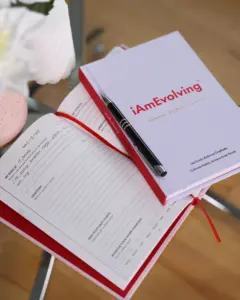
Start your daily practice of gratitude, goals, and growth.
Get the Journal →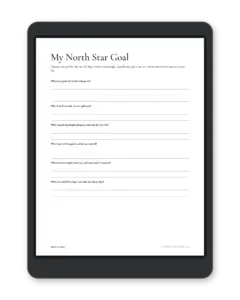
A free 30-day goal setting journal PDF with daily prompts, action steps, and reflection space. Printable, minimal, and designed to keep you focused on…
ExploreFrequently Asked Questions
How do beginners start practicing inner harmony?
How long does it take to feel more inner harmony?
Do I need to meditate to find inner harmony?
What is a good inner harmony score?