30-Day Habit Building Challenge (With Journal Tracking Template)

A 30 day habit challenge is a structured month-long commitment to one specific behavior, tracked daily in a journal, designed to move that behavior from effortful to automatic. Most people who try to change a habit fail for three reasons: they pick too many habits at once, they track inconsistently, and they quit silently after the first missed day. This challenge is built to fix all three failure points using one habit, one notebook, and a thirty-line tracker you can draw in five minutes tonight.
This guide is for anyone who has tried to build a habit and watched it slip by week two. You will get a weekly structure that matches how the brain actually adapts, a daily journaling layout, a list of common failure points with specific repairs, and a free tracking template. Read it once, pick your one habit, and start tomorrow morning. Tracking by hand forces a daily moment of honesty that a passive app notification never creates, which is why this challenge is built around a notebook instead of a streak counter. For the bigger picture on consistency and behavior change, the habits guide covers the philosophy underneath everything below.
Why a 30 Day Habit Challenge Actually Works
The popular claim that habits form in 21 days came from a 1960 plastic surgeon’s observation about patients adjusting to their new face, not a behavior study. Real research from University College London tracked 96 people building habits and found the average time for a behavior to feel automatic was 66 days, with a wide range depending on the habit’s difficulty. Thirty days will not finish the work, but it will get you past the hardest part.
What thirty days does is move a behavior out of the willpower zone and into the early identity zone. By day fifteen, your brain stops asking “should I do this today” and starts asking “when do I do this today.” That single shift, from negotiation to scheduling, is where habit change actually happens. The journal is what makes the shift visible. Without tracking, you cannot tell the difference between a real streak and a story you are telling yourself.
A daily checkbox does three quiet things at once. It gives the brain a small reward for completion, it creates an unbroken visual chain that becomes painful to break, and it produces honest data about which days are hard and why. If you want to understand the underlying mechanics before you start, the piece on how habits are formed walks through the cue, routine, reward loop in plain language.
How to Choose the Right Habit for Your 30-Day Challenge
Pick one habit. Not three. Not “morning routine.” One specific, repeatable action you can complete in under fifteen minutes on your worst day. The instinct to stack five habits at once is the single most reliable way to fail a 30 day habit challenge, because each new behavior multiplies the willpower cost and the first missed day collapses the whole stack.
A good habit for this challenge has four traits: it takes less than fifteen minutes, it can be done at the same time every day, it has a clear yes/no completion test, and it points toward who you want to become. Examples that work well:
- Five minutes of journaling before coffee
- Ten pushups before brushing teeth
- One glass of water on waking
- Phone stays out of the bedroom overnight
- Walk for ten minutes after lunch
- Read two pages before bed
- One gratitude entry at the end of the day
Before you commit, ask the identity question: who is the person who already does this habit, and do I want to become that person? A 30 day habit challenge that is tied to identity outlasts a challenge tied to a goal, because goals end and identity does not. The work on building aligned habits goes deeper into matching daily actions to the version of yourself you are growing into.
30-Day Habit Challenge Ideas to Choose From
If you know you want to do a 30 day habit challenge but have not settled on the habit itself, use the lists below as a starting menu. Pick exactly one. Each idea passes the four-trait test from the section above: under fifteen minutes, doable at the same time every day, a clean yes or no, and pointed toward who you want to become. The category you choose matters less than your willingness to repeat it for thirty days straight.
Morning Habits
- Drink a full glass of water before checking your phone
- Write three lines in a journal before coffee
- Make your bed within five minutes of waking
- Step outside for two minutes of daylight
Morning habits hold because the day has not yet had a chance to derail them. If you want a fuller routine to grow into after the challenge, the guide on morning habits that will change your life shows how single actions compound into a routine.
Health and Movement
- Ten pushups or one short stretch before your shower
- A ten-minute walk after lunch
- One vegetable added to your largest meal
- Phone outside the bedroom and lights out by a set time
Mind and Focus
- Five minutes of reading a physical book before bed
- One distraction-free block with the phone in another room
- A two-minute breathing pause before opening your laptop
- One gratitude entry at the end of the day
Whatever you pick, the daily checkbox is what carries it. Keeping the record in a journal rather than an app keeps the practice slow and deliberate, and it leaves you with reflections you can read back later. The habit tracking journal method lays out a simple page format you can copy for any of the habits above.
The Weekly Structure of Your 30 Day Habit Challenge
The thirty days are not flat. Each week has a predictable emotional shape, and knowing what is coming makes it easier not to quit when the shape gets uncomfortable. Here is what most people experience, week by week.
Week 1 (Days 1-7): Novelty
The first week is the easiest. Motivation is high, the habit feels fresh, and you are still excited about the change. The risk in week one is over-investing. Do not add complexity, do not extend the time, do not announce it on social media. Keep the habit small enough to feel almost too easy. The goal of week one is not progress, it is repetition.
Week 2 (Days 8-14): Resistance
Around day nine, the novelty fades and the habit starts to feel like a chore. This is where most people quit, usually without admitting they are quitting. They miss one day, then another, then the tracker stops getting filled in. Week two is the most important week of the challenge. Show up, do the minimum, and write one honest sentence in your journal about why it felt hard.
Week 3 (Days 15-21): Rhythm
If you survive week two, week three rewards you. The habit starts to slot into your day without negotiation. You will catch yourself doing it on autopilot, which is exactly what you want. Week three is when most people get cocky and try to add a second habit. Do not. Stay with one. The piece on habits for consistency explains why discipline beats motivation in this exact stretch.
Week 4 (Days 22-30): Integration
The final week is about closing strong and capturing what you learned. Each evening, write one sentence about how the habit changed something else: your mood, your sleep, your sense of self. By day thirty, the habit should feel less like an experiment and more like a part of your day you no longer think about.
Get more like this, every week
Your Journal Tracking Template (Daily and Weekly Layouts)
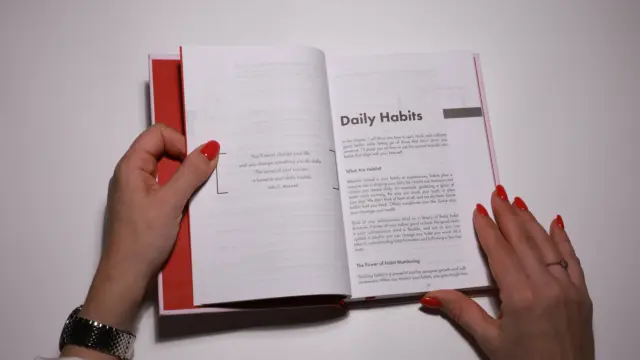
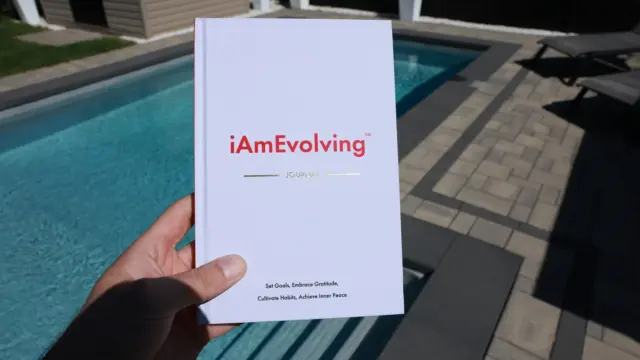
The tracking template has two parts: a daily entry that takes ninety seconds and a weekly reflection that takes ten minutes. You can draw both in any blank notebook tonight, or use the dedicated habit tracker pages in the iAmEvolving Journal if you want it pre-formatted.
Daily Entry (90 seconds)
- Date and day number (Day 1 through Day 30)
- Habit cue: the trigger that started the habit (after coffee, before bed, on waking)
- Completion checkbox: a clean yes or no, no half-credit
- Energy level (1-5): how you felt before doing the habit
- One-line reflection: what you noticed today
Weekly Reflection (10 minutes, every Sunday)
At the end of each week, answer these five prompts in full sentences. Do not skip them. The weekly reflection is what turns a habit tracker into a growth tool.
- Which days were easy, and which were hard? What was different about the hard days?
- Did I miss a day this week? If yes, what was the trigger, and what would I change next time?
- How is this habit changing how I see myself?
- What surprised me about my own behavior this week?
- What is one small adjustment I can make for next week?
The reflection is where the real work happens. Tracking alone tells you whether you did the habit. Reflection tells you who you are becoming because of it. If you want to deepen the writing side of this, the guide on journaling habits covers how to keep the practice sustainable past day thirty.
Common Failure Points (and What to Do When You Slip)
Almost no one finishes a 30 day habit challenge with a perfect streak. The goal is not perfection, it is awareness. Here are the four most common failure points and how to handle each one without quitting.
The Missed Day Spiral
You miss day eleven. Your brain says the streak is broken, so the challenge is over. This is the most dangerous failure mode because it ends the challenge for a reason that has nothing to do with the habit. The repair is simple: never miss twice. One missed day is a glitch. Two in a row is a new pattern forming.
The Perfection Trap
You decide that if you cannot do the full version of the habit, you will not do it at all. Skip this thinking. On a hard day, do the smallest possible version. One pushup counts. One sentence counts. One sip of water counts. Ego will tell you that token effort is dishonest. Ego is wrong. The brain is tracking repetition, not intensity.
Week Two Boredom
Around day nine or ten, the habit gets boring. This feeling is a signal that you are succeeding, not failing. Boredom means the habit is no longer novel, which is exactly what you want. The piece on habits versus motivation explains why feelings are an unreliable guide once a habit is forming.
The Comparison Drift
Watching someone else do a more impressive version of your habit will quietly erode your commitment to your own. Stay off social media versions of habit challenges during your thirty days. Your tracker is the only data that matters.
Missing a day does not break the habit. Quitting does. Thirty days are not a streak you defend, they are an invitation you keep accepting.
What Happens on Day 31
Day thirty-one is more important than day thirty. Most people treat the end of a challenge like the end of the habit, and within two weeks the behavior has quietly disappeared. The point of a 30 day habit challenge is not to prove you can do something for a month. It is to install a behavior you will keep doing without thinking about it.
On day thirty-one, do three things. First, keep the habit, but stop tracking it daily. Move to a weekly checkbox instead. The daily tracker was a scaffold, not a forever practice. Second, write a one-page entry in your journal about what changed in you over the thirty days. Not what you did, but what you noticed about yourself. Third, decide if you are going to stack a second habit, and if you are, wait at least two more weeks before adding it.
The version of you on day one and the version of you on day thirty-one are not the same person. Something small but real has shifted. Treat that shift with respect.
Conclusion
A 30 day habit challenge works when you keep it simple, track it honestly, and refuse to quit on the days that feel pointless. One habit, one notebook, one daily checkbox, one weekly reflection. That is the entire system. The journal is what makes it real, because tracking turns a vague intention into evidence you can read back later.
You do not need to feel ready. You do not need to wait for Monday. You do not need a perfect plan. Pick the smallest version of the habit you can imagine, draw a thirty-day grid in the back of any notebook, and start tomorrow. If you slip, repair without restarting. If you finish, keep going quietly. For more on what makes behavior change last past day thirty, the guide on how to build habits that stick covers the longer arc.
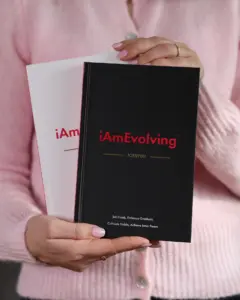
Start your daily practice of gratitude, goals, and growth.
Get the Journal →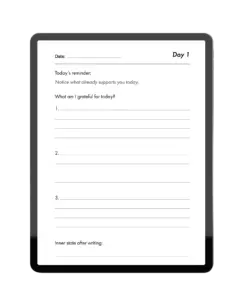
A free 30-day gratitude journal designed for a simple daily practice. Calm, minimal, and printable to help you slow down and reflect.
ExploreFrequently Asked Questions
How long does it really take to build a habit?
Research from University College London found the average time for a new behavior to feel automatic is 66 days, with a range from 18 to 254 days depending on the habit. Thirty days is enough to get past the hardest stretch (week two), establish a clear pattern, and build evidence that you can follow through, but it is the start of the process, not the end.
What happens if I miss a day during the challenge?
Missing one day is normal and does not end the challenge. The rule is never miss twice in a row. If you miss day eleven, the goal on day twelve is simply to show up and do the smallest possible version of the habit. The streak that matters is not the unbroken one, it is the willingness to return after a gap.
Can I do more than one habit in a 30 day challenge?
Pick one habit only. Stacking multiple habits at the start is the most common reason people fail a 30 day habit challenge, because each added behavior multiplies the willpower cost and one missed day collapses the whole stack. After day thirty, wait two weeks before adding a second habit, and only stack when the first habit no longer requires conscious effort.
What should I track in my habit journal each day?
A daily habit tracker entry should include the date and day number, the habit cue or trigger, a yes or no completion checkbox, an energy level rating from 1 to 5, and a single-sentence reflection on what you noticed. The full entry takes about ninety seconds. At the end of each week, add a longer reflection answering five prompts about what was easy, what was hard, and how the habit is changing your sense of self.
What do I do after the 30 days are over?
Day thirty-one matters more than day thirty. Keep the habit, but switch from a daily tracker to a weekly checkbox so the behavior can move from conscious effort to autopilot. Write a one-page journal entry about what shifted in you over the month, not what you did. Wait at least two weeks before stacking a second habit, and only add it once the first one feels effortless.