Building Aligned Habits: Turn Daily Actions Into Growth

Real change begins when your habits reflect your values. It’s not about discipline for its own sake. It’s about alignment. When what you do each day supports who you want to be, your actions stop feeling like effort and start feeling like integrity.
This is what it means to build aligned habits: to move beyond doing and into becoming. It’s the space where intention meets embodiment, where every small, consistent act becomes a reflection of your higher vision.
Aligned habits are daily behaviors that flow directly from your core values and sense of identity, rather than from outside pressure or sheer willpower. Because they are rooted in meaning, they tend to last far longer than habits built on motivation alone. Research on behavior change keeps returning to the same pattern: the habits that endure are the ones tied to who you believe you are, not only to what you hope to achieve.
What It Means to Build Aligned Habits
Most people approach habits as a list of things to fix or improve. But alignment doesn’t start with correction. It starts with connection. Aligned habits are born from clarity. They emerge when you understand your deeper motivations, your emotional rhythms, and your values.
In Habits Foundations, we explored the science of how habits form. Now, alignment takes it a step further. It’s not just about repetition; it’s about resonance. When your habits are rooted in what truly matters to you, they require less willpower and create more flow.
Ask yourself: What does a life aligned with my values look like day to day? How do I act when I feel most connected to who I am? The answers reveal the habits worth building, not the ones that impress others, but the ones that bring you home to yourself.
To see how alignment translates into daily practice, explore Morning Habits That Will Change Your Life (Backed by Psychology): a mindful guide to starting each day with calm, focus, and intention rooted in your values.
From Intention to Identity
Intentions guide you, but identity sustains you. The habits that last are those that align with your sense of self. When your actions match your identity, you no longer rely on motivation. You rely on truth.
Each time you follow through on a meaningful action, you strengthen that identity. When you meditate, write, or move your body because you value presence, expression, or vitality, you’re not just performing a habit. You’re reinforcing who you are becoming.
For a practical guide on creating habits that stick even when motivation fades, explore How to Build Habits That Stick (Without Relying on Motivation). It shows how consistency becomes easier when your habits are grounded in identity, not intensity.
As shared in How to Build Habits That Align With Who You Want to Become, change isn’t forced; it’s remembered. You’re returning to the version of yourself that already knows how to live with purpose and peace.
The Role of Awareness in Alignment
Awareness is what keeps alignment alive. Without awareness, even the best intentions can turn into routines that lose meaning. With it, you notice when your habits begin to drift from their original purpose.
This is where the practices from Inner Harmony become essential. When you tune in to how you feel: whether a habit energizes or drains you. You can adjust with compassion instead of judgment. Awareness turns discipline into devotion.
True alignment is fluid. It adapts as you evolve. The key is to remain present enough to notice when something no longer fits and brave enough to adjust with grace.
Get more like this, every week
How to Align Habits With Your Goals
Alignment happens when what you do daily supports what you value most. Here’s how to consciously build habits that reflect that harmony:
- Clarify your intention. Before starting any habit, ask: “Why does this matter to me?” Connection gives consistency meaning.
- Start from identity, not outcome. Don’t just set goals: embody the person who achieves them. Align habits with how you want to feel, not just what you want to get.
- Reflect through journaling. Write about your progress, resistance, and emotions. Awareness through journaling brings alignment into daily focus.
- Pair habits with values. Link each habit to a core value. For example, gratitude connects to presence; movement connects to energy; journaling connects to clarity.
- Track energy, not perfection. Some days flow easily; others challenge you. Track how aligned you feel, not how flawlessly you perform.
You can explore this approach further in the Goal Setting Guide, where clarity and emotional connection become the foundation for sustainable success.
Overcoming Resistance With Compassion
Every transformation meets resistance. It’s natural. Resistance is simply a signal from your system asking for safety and reassurance. Instead of fighting it, listen to it. Ask: What fear or unmet need is this resistance trying to show me?
As explored in Break Old Patterns and Start Fresh, awareness transforms resistance into guidance. When you meet resistance with patience, you dissolve shame and create space for gentler growth.
Building aligned habits is not about perfection. It’s about relationship. A relationship with yourself that honors your pace, your truth, and your humanity.
Journaling for Alignment
Your journal is a compass for alignment. When you write daily, you don’t just record habits. You refine them. Reflection keeps your actions connected to your intentions.
Try this short journaling prompt: “What small action today would make me feel most aligned with who I want to become?” This single question keeps your awareness close to your purpose. Over time, your journal becomes a mirror for growth and self-trust.
If you’re new to this practice, explore How to Build a Journaling Habit That Lasts for practical guidance.
Why Aligned Habits Outlast Willpower
Willpower is a limited resource. It rises and falls across the day, and it tends to thin out under stress, fatigue, or emotional strain. A habit that depends only on willpower often collapses the moment life gets demanding, which is why so many well-intentioned routines fade by the second or third week. Aligned habits work on a different engine entirely.
When a behavior reflects something you genuinely value, it carries its own momentum. You are no longer forcing yourself to act against your nature. You are acting in agreement with it. This is the quiet power of identity-based habit formation: the action feels less like a task to push through and more like a way of honoring who you already are. The broader framework behind this idea is mapped out in the Habits Guide, which connects the science of consistency to the deeper question of identity.
The practical shift is simple but profound. Instead of asking what you should do, name the value first, then attach a habit to it. If you value presence, a two-minute breathing pause becomes a way to live that value. If you value health, a short walk after dinner stops being a chore and becomes an expression of self-respect. The habit holds because it is no longer separate from you. It is evidence of who you are choosing to be.
Signs Your Habits Have Drifted Out of Alignment
Even habits that once felt nourishing can slowly drift from their original purpose. The routine stays, but the meaning leaks out of it. Noticing this early is what keeps your daily practice honest. Here are a few signs that a habit may have fallen out of alignment with your values:
- It feels like obligation, not choice. You keep going out of guilt or fear of breaking a streak, rather than because the action still matters to you.
- You can’t remember why you started. The original intention has faded, and the habit now runs on autopilot with no felt connection to a value.
- It drains rather than restores. A truly aligned habit usually leaves you steadier. Persistent resentment or depletion is a signal worth listening to.
- It competes with what you say matters most. The habit quietly pulls time or energy away from the relationships, work, or rest you claim to value more.
When you spot these signs, the answer is rarely to force the habit harder. It is to pause and reconnect it to a value, adjust its shape, or release it with gratitude for what it taught you. The skill of tuning in to how a habit feels is the same awareness you build through consistent, identity-rooted practice, and it is what lets your habits evolve as you do.
A simple weekly check-in keeps drift from going unnoticed. Once a week, look back over your core habits and ask three questions: Does this still connect to something I value? Does it leave me more like myself or less? Would I choose it again if I were starting today? Honest answers turn maintenance into realignment. Rather than abandoning a habit at the first sign of friction, you give yourself the chance to reshape it so it keeps serving the life you are actually building.
Conclusion: The Practice of Becoming
Aligned habits are less about achievement and more about authenticity. They remind you that transformation isn’t a destination. It’s a rhythm. Every aligned action, no matter how small, is a quiet affirmation of who you are becoming.
When your habits serve your values, you stop striving and start evolving. This is the essence of identity-based growth: to live each day as the truest expression of yourself.
Your evolution is not in the future. It’s in the choices you repeat with awareness today.
Alignment doesn’t end in the morning. It completes its rhythm in how you close the day. After integrating aligned actions into your mornings, discover how to unwind and reset your energy with Evening Routines for Emotional Reset. Together, these mindful rituals create balance between movement and rest, intention and reflection.
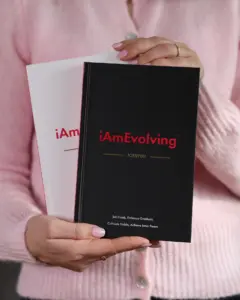
Start your daily practice of gratitude, goals, and growth.
Get the Journal →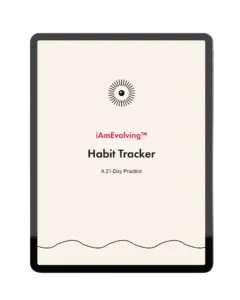
A free 21-day habit tracker PDF with daily check-ins, guided reflection prompts, and mindset reminders. Clean, minimal, and printable.
ExploreHow do I know if my habits are truly aligned?
What should I do when a habit no longer feels right?
Can journaling help me realign my habits?
What’s the difference between aligned habits and regular habits?
How long does it take to build an aligned habit?
How do I realign a habit instead of giving it up?