Digital Detox Day: Reclaim Your Focus

A digital detox day is a deliberate break from screens, notifications, and online noise to reconnect with yourself and the world around you. Our devices keep us connected, but the more we stay online, the harder it becomes to access our own thoughts and presence.
A Digital Detox Day is not about rejecting technology. It’s about pressing pause: giving your mind a quiet space to breathe and your heart a chance to listen.
Why a Digital Detox Matters
Constant notifications train our brains to seek quick hits of stimulation.
Over time, this noise dulls our ability to focus, reflect, and feel calm. When you take a step back from screens, you start noticing what was always there: the soft rhythm of your breath, the warmth of light through the window, the small details that make life feel fuller.
A detox day restores mental clarity, helps reduce anxiety, and brings back a sense of balance.
Signs You Might Need One
You don’t need to wait until burnout hits. Here are subtle signs that it’s time for a reset:
- You reach for your phone without thinking.
- You scroll even when you’re tired or bored.
- You struggle to stay present during conversations.
- You compare your life to others online.
These are reminders, not judgments. Awareness is always the first step toward change.
How to Plan Your Detox Day
- Pick Your Day.Choose one day this week when you can disconnect from social media, email, and notifications.
- Prepare Ahead.Let people know you’ll be offline. Schedule what’s necessary so you can fully step away.
- Replace, Don’t Remove.Plan what you’ll do instead: read, write in your journal, walk outside, or cook a mindful meal.
- Create a Calm Environment.Keep your phone in another room. Play soft music, light a candle, or sit in silence.
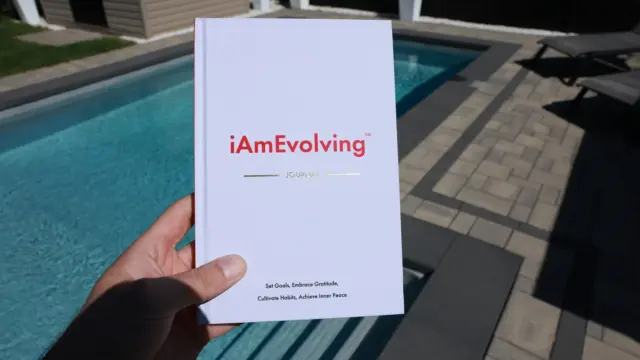
- End with Reflection.Before you reconnect, open your journal and write:How did I feel being disconnected? What did I notice? What do I want to bring back into my daily life?
How Long Should a Digital Detox Day Last?
There is no perfect number of hours. The right length is the one you will actually honor. If a full day feels impossible right now, start with a screen-free morning or a quiet evening. Even three or four uninterrupted hours can settle your nervous system and remind you what stillness feels like.
A common rhythm is a single day each week, often a Saturday or Sunday, when nothing urgent is waiting. Others prefer a recurring evening, closing the laptop after dinner and leaving the phone in another room until morning, the same way an evening routine for emotional reset signals the body to slow down. If you want a deeper reset, a full weekend offline can feel like stepping into a different pace of life altogether.
What matters more than the duration is the consistency. One honest hour repeated every week will do more for your focus and calm than a heroic weekend you never repeat. Choose a length that fits your real life, then protect it kindly. You can always extend it once the quiet starts to feel less like deprivation and more like relief. The goal is to give yourself a reliable place to land each week, without turning it into a contest of willpower.
What to Expect When You First Unplug
The first hour is often the hardest. Your hand may reach for a phone that isn’t there. You might feel a flicker of restlessness, a nagging worry that you are missing something important. This is normal. Your brain has been trained to expect a steady stream of small rewards, and it takes a little time to settle without them.
Instead of fighting the discomfort, meet it with curiosity. Notice the urge to check, then let it pass without acting on it. A few rounds of slow, mindful breathing can soften the edge of that restlessness and bring you back to the present. The craving usually fades faster than you expect, and each time you let it pass it loses a little of its grip.
By the afternoon, something shifts. The constant mental chatter quiets, and you find yourself finding peace in the present moment. Time feels slower in a good way. You taste your food, hear the room around you, and finish thoughts you had been too distracted to follow. That spaciousness is the whole point, and it is waiting on the other side of a little discomfort.
Common Mistakes That Make a Detox Harder
The most common mistake is going cold turkey with no plan for the empty hours. When you remove your phone without deciding what will take its place, the silence can feel like punishment, and you reach for a screen again within minutes. Decide ahead of time what your hands and mind will do instead, whether that is a walk, a book, a project, or a long unhurried meal.
Another trap is secretly keeping one foot online. Glancing at notifications, checking email just once, or keeping the television on in the background all keep your attention split. A detox works because it gives your mind a single, undivided focus. Even a few small leaks are enough to pull you back into the old loop.
The last mistake is treating one imperfect day as failure. You will slip. You will check the time and notice a message. None of that erases the value of the hours you spent present. Progress here is measured in awareness, not in flawless willpower, so be as patient with yourself as you would be with a friend learning something new.
The Deeper Impact
After a detox day, something shifts. You start noticing how often your mind seeks distraction, and how peaceful it feels when it doesn’t.
You realize that presence is not found in a notification, but in awareness.
Each time you step away from the noise, you reconnect with your intuition, your creativity, and your sense of self.
Turning One Detox Day Into a Lasting Rhythm
A single detox day is restorative, but the real change comes when unplugging becomes part of how you live. The aim is a simple, repeatable boundary that protects your attention week after week, without swearing off technology forever.
Anchor the habit to something you already do. Pair your screen-free time with a morning walk, a Sunday reset, or the hour before bed. When a new behavior leans on an existing routine, it holds far more easily. If you want the mechanics behind that, our guide on how to build habits that stick walks through the small design choices that make a practice last.
It also helps to replace scrolling with something that genuinely restores you. Many people find that a short writing practice fills the space beautifully, and journaling improves focus and productivity in ways a feed never will. Over time, these small boundaries compound. Your attention sharpens, your evenings feel longer, and the calm you found on one quiet day becomes the texture of your ordinary week. What began as a single experiment slowly becomes the most grounding part of your routine.
Your Challenge
This week, give yourself one day, or even half a day, to unplug.
You don’t have to do it perfectly. Just begin.
You may be surprised how much calm, focus, and joy return when you reclaim your attention.
Stepping away from screens helps you reconnect with presence, focus, and calm. To explore how awareness and small mindful actions rebuild balance, visit the Habits Foundations guide. You can also read the Habits Guide: How Consistency Shapes Your Evolution to learn how intentional habits create lasting inner peace.
Get more like this, every week
FAQ
What is a digital detox day?
How often should I take a digital detox day?
What can I do during a digital detox day?
Is it okay to check my phone for emergencies?
What are the benefits of a digital detox?
How do I make it easier to unplug?