Daily Habits for Focus, Energy, and Mental Clarity
Daily habits for focus, energy, and mental clarity are not the same thing, and treating them as one problem is why most routines collapse by week three. Focus is a function of attention and friction. Energy is a function of sleep, food, and recovery. Clarity is a function of slowing down enough to hear yourself think. When you build a daily rhythm that addresses each one separately, you stop chasing motivation and start operating from a steady baseline. That baseline holds even on the bad sleep nights, the travel weeks, and the days when your kid wakes up at 4:47 in the morning.
This guide is not about 5 AM clubs, cold plunges, or stacking ten supplements before sunrise. Those routines only work for people whose lives already permit them, and most of us live more complicated lives than that. What follows is a practical set of habits, organized by time of day and week, that hold up in real conditions. You will get the mechanism behind each one, not just the action, because understanding why a habit works is what keeps you doing it on the days you do not feel like it. For the broader foundation underneath all of this, the habits guide covers the philosophy that shapes every routine below.
Why Focus, Energy, and Clarity Need Different Habits
Most productivity advice flattens these three states into one bucket and hands you a single routine to fix everything. That is the first mistake. Focus is the ability to hold your attention on one thing while ignoring everything else. Energy is the physical fuel that lets you do anything at all. Clarity is the mental quiet that lets you know what is actually worth doing. Each one breaks for different reasons and needs a different repair.
If you are tired, no focus technique will save you. If your mind is loud and unsorted, you can have all the energy in the world and still spend the day doing the wrong work. If your environment is full of pings and tabs, no amount of clarity will protect you from the next interruption. The habits below are organized so that each one targets a specific failure point. You do not need all of them at once. Pick the two that match your current weak spot and let the rest come later.
- Focus problems usually point to attention friction, notification overload, or unclear priorities.
- Energy problems usually point to sleep debt, blood sugar swings, or under-recovery from the week before.
- Clarity problems usually point to unprocessed input, decision fatigue, or never giving your mind a quiet minute.
The reason this distinction matters is that the same person can be sharply focused and completely depleted on the same day, or full of energy and completely scattered. Treating those as one problem leads to the wrong intervention. If you have ever tried meditating your way out of exhaustion, you know what I mean.
Morning Habits That Set the Tone Without Stealing Your Sleep
The morning matters, but not for the reasons influencers say. It is not magic. It is the only window in the day where you have not yet been reactive to anyone else. What you do in the first thirty minutes sets the chemistry, the priorities, and the pace of the rest of the day. The goal is not to do more in the morning. It is to do less of the wrong things.
1. Delay the phone by thirty minutes
The mechanism here is dopamine. When you check email, Instagram, or Slack within five minutes of waking, you flood your brain with reactive dopamine before it has stabilized its baseline. That flood makes everything else for the next two hours feel less interesting by comparison. Your focus is now competing with your phone's ghost, even after you put it down. Pushing the first check to thirty minutes after waking lets your prefrontal cortex come fully online before you start consuming.
2. Get light on your face within ten minutes of waking
Light is the strongest signal your body uses to set your circadian rhythm, and the circadian rhythm controls your energy curve for the entire day. Open the curtains, step onto the balcony, walk to the corner. Even on a grey day, outdoor light is roughly fifty times stronger than indoor light. Ten minutes of morning light is the single highest-leverage energy habit on this list because it cleans up your sleep that night before the day has even started.
3. Write one sentence about the day before opening anything
This is the clarity habit. One sentence in a notebook before you open email. Something like “today the priority is finishing the proposal” or “today I want to feel less rushed.” That sentence is a small anchor that gives your day a center of gravity. Without it, your priorities become whatever shows up loudest in your inbox. The morning gratitude ritual piece walks through a slightly longer version of this for people who want more structure.
Get more like this, every week
Mid-Day Habits for Focus, Energy, and Mental Resets
The middle of the day is where most routines fall apart, and where the right habits for focus quietly do the heaviest lifting. By 1 PM your prefrontal cortex has been working for hours, your blood sugar has likely dipped, and your attention has been pulled in fifteen directions. This is not the moment to push harder. This is the moment to reset. A real mid-day reset takes between five and twenty minutes, and the return on that small investment is the next three hours of work.
4. The post-lunch walk, ten minutes minimum
A ten-minute walk after lunch does three things at once. It moderates your blood sugar spike, which prevents the 2 PM energy crash. It gives your brain a window of diffuse attention, which is when most creative insights surface. And it physically separates the morning block from the afternoon block, so you start the second half of the day without the cognitive residue of the first. If you can leave the phone behind, even better. The walk does its real work when you are bored.
5. One ninety-minute focus block, protected like a meeting
Pick one block of ninety minutes in the part of your day where your focus is naturally highest, usually mid-morning or just after lunch. Put it on the calendar. Close every tab that is not the work. Phone in a drawer. The mechanism is cognitive switching cost: every time you change tasks, you lose between fifteen and twenty-five minutes of full attention recovering the thread. One protected block produces more real output than four hours of reactive multitasking. The deeper work on habits for consistency covers how to protect this block when your week is unpredictable.
Evening Habits That Restore Energy and Clear the Mind
If your evenings are scattered, your mornings will be too. Evening habits do not have to be elaborate to work. They have to do two things: signal to your body that the workday is over, and clear the mental clutter that would otherwise follow you into bed. Most people skip the wind-down entirely, then wonder why they cannot sleep or why they wake up tired even after seven hours.
6. The five-minute brain dump before dinner
Open a notebook. Write down every open loop in your head: tomorrow's tasks, the unsent email, the thing you forgot to follow up on, the worry about the meeting on Thursday. Do not organize it. Do not prioritize it. Just empty the buffer. The mechanism is the Zeigarnik effect, which is the brain's tendency to keep unfinished tasks active in working memory. Writing them down outsources the storage, which is why you sleep better when you do this. The evening journaling routine piece walks through a fuller version of this practice.
7. Dim the lights two hours before bed
Bright overhead lights after sunset tell your brain it is still daytime, which suppresses the melatonin curve and pushes your sleep onset later by an hour or more. You do not need blue light glasses or amber bulbs to fix this. Turn off the overhead lights. Use lamps. Lower the screen brightness. The change is small, the effect on sleep depth is large, and your energy the next day is the dividend. This is the highest-leverage clarity habit for anyone whose mornings feel foggy.
Weekly Recovery: The Habit Most People Skip
Daily habits keep you functional. Weekly habits keep you sustainable. The single biggest gap I see in people's routines is the absence of a weekly recovery block, which is what makes the difference between a routine that holds for six weeks and one that holds for six years. You cannot push the same intensity into every day forever. The body and the mind both need a structured pause.
Pick one half-day a week, usually Sunday afternoon or Saturday morning, and protect it for recovery. Recovery is not entertainment. It is the deliberate practice of doing less. A long walk without a podcast. A meal cooked slowly. An hour of journaling without an agenda. The thirty-minute nap you keep telling yourself you do not have time for. This is also when you do the weekly review, which is the single habit that ties everything else together. The build habits with journal piece offers a simple weekly review template you can run in fifteen minutes.
The other piece of weekly recovery is forgiveness. You will miss days. You will travel, get sick, have a hard week with the kids. The habit that actually predicts long-term success is the one that says: when you miss a day, you start again on the next day, no commentary. The streak is not the point. The return is the point.
Conclusion
You do not need a complicated system to think clearly, feel awake, and stay focused. You need a small set of habits that respect the differences between focus, energy, and clarity, and a willingness to be patient with yourself when life makes them hard to keep. Start with two. The morning light and the brain dump. Add the post-lunch walk in week two. Build slowly. The point of any daily routine is not to perform discipline, it is to make a life that feels steady from the inside.
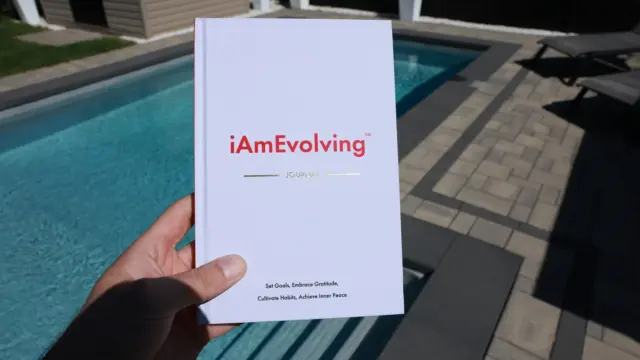
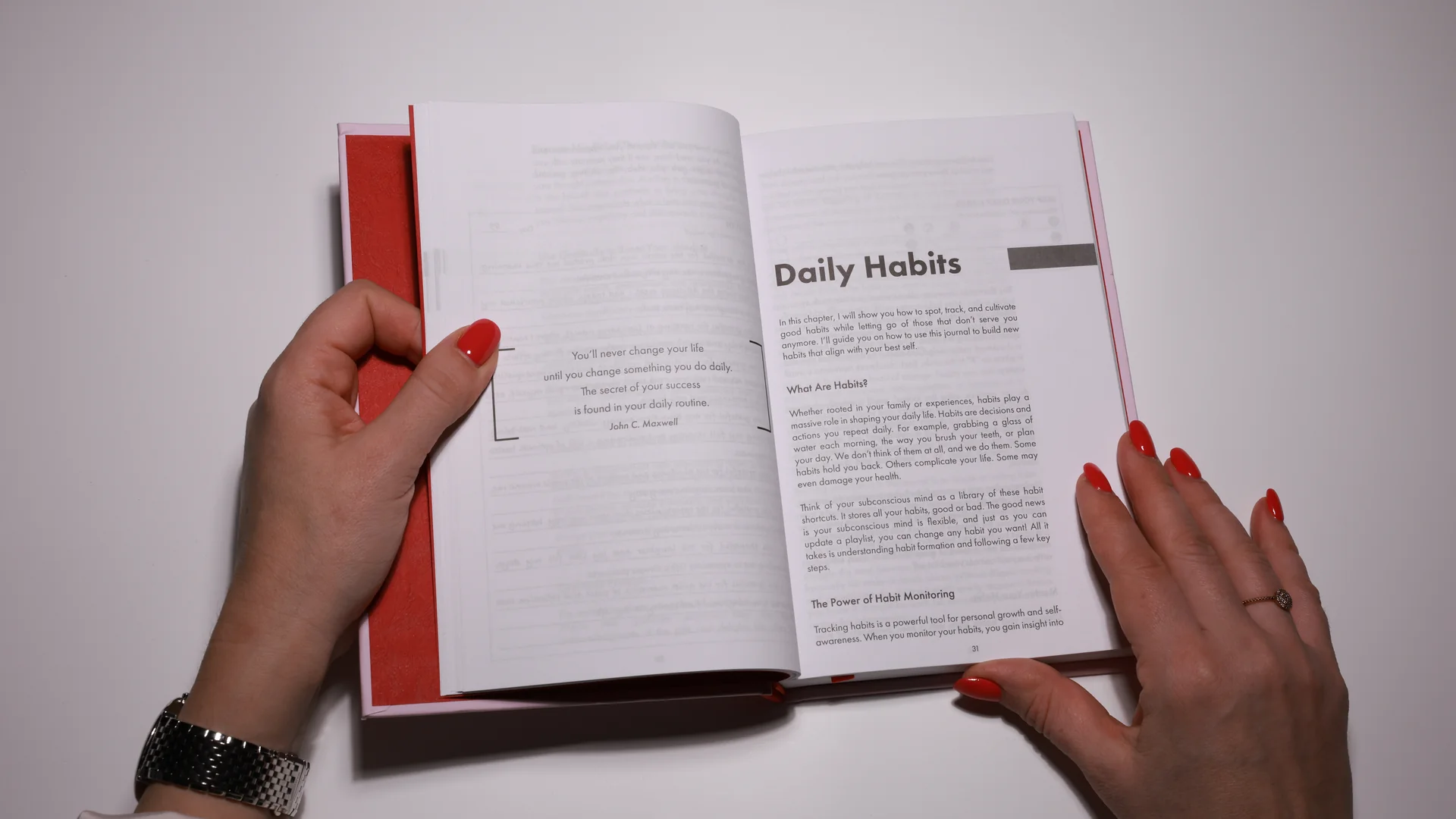
If you want a structure that holds these habits in place day by day, the iAmEvolving Journal is built around exactly this rhythm: a morning anchor, an evening reset, and a weekly review. It is the tool I use myself, and it is what keeps the system above from being a list of good ideas you forget by Thursday.

Start your daily practice of gratitude, goals, and growth.
Get the Journal →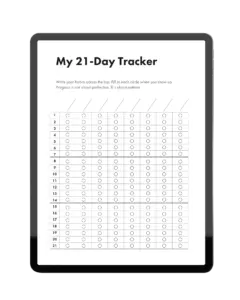
A free 21-day habit tracker PDF with daily check-ins, guided reflection prompts, and mindset reminders. Clean, minimal, and printable.
ExploreWhat are the best daily habits for focus?
The most reliable daily habits for focus are protecting one ninety-minute deep work block, delaying your first phone check by thirty minutes after waking, and taking a ten-minute post-lunch walk to reset attention. These three together address the most common focus killers: cognitive switching cost, reactive dopamine, and afternoon attention fatigue.
How long does it take for new habits to actually stick?
Research from University College London found the average time for a habit to feel automatic is 66 days, with a range from 18 to 254 days depending on the habit's complexity. Simpler habits like drinking a glass of water on waking solidify faster, while harder habits like a daily focus block can take three months or more.
Are focus and energy the same problem?
Focus and energy are not the same problem and require different interventions. Focus depends on attention management, environmental friction, and clear priorities. Energy depends on sleep quality, blood sugar regulation, and recovery from accumulated stress. Treating them as one problem is why many productivity routines fail within a few weeks.
What habit improves mental clarity the fastest?
A five-minute end-of-day brain dump improves mental clarity faster than almost any other single habit. Writing down every open task, worry, and unfinished loop empties the working memory buffer, which lets the mind quiet down and sleep deepen. Most people notice clearer thinking within three to four nights of doing it consistently.
What if my schedule is too chaotic for a daily routine?
Chaotic schedules need anchor habits rather than rigid routines. Pick two non-negotiable actions that travel with you, such as ten minutes of morning light and a one-sentence priority note, and let the rest flex around the day. Anchor habits hold focus and clarity steady even when nothing else about the day is predictable.