Evening Routines for Emotional Reset, Rest, and Reflection

Your evening routine closes your day, and it also prepares your mind, body, and emotions for tomorrow. Each night offers an invitation: to pause, reflect, and release the energy of the day so you can begin again with clarity.
In a world that constantly asks for more (more focus, more action, more availability), evenings are when you give yourself back to yourself. The aim is to create space to breathe, to slow down, and to come home to your own rhythm, without checking another box or following a rigid schedule. That’s where real change begins.
The iAmEvolving philosophy teaches that growth doesn’t come from pushing harder, but from creating balance between movement and stillness. Evening routines are the stillness part: the place where your thoughts settle and your emotions realign. This is where consistency and calm replace pressure and chaos.
Why Evening Routines Matter for Emotional Balance
When the day ends, your mind rarely does. You replay conversations, unfinished tasks, and the tension of what didn’t go as planned. Without a healthy evening rhythm, you carry that emotional residue into your sleep and wake up already behind your peace.
An intentional evening routine is how you close mental loops. It teaches your nervous system that it’s safe to rest. That there’s nothing left to fix or finish right now. Over time, this practice improves your sleep, your focus, and your emotional clarity.
This is more than relaxation. It’s emotional regulation in practice. By lowering stimulation and creating small rituals of release, you train your body to transition naturally from alertness to restoration. This reset prepares you to approach each new day with calm determination.
The Foundation of a Mindful Evening Routine
A good evening routine is simple, repeatable, and personal. It doesn’t require an hour of elaborate self-care. Instead, it’s built on consistency and intention: small actions that remind you who you want to be when the world gets quiet.
1. Create a Clear Transition
Begin with a boundary: the moment you decide your day is complete. This could be shutting down your laptop, dimming the lights, or changing into comfortable clothes. You might light a candle, step outside, or take three slow breaths while whispering to yourself, “I’m done for today.”
Transitions signal safety. When your mind knows that the workday has really ended, your body follows. This is where relaxation starts: in shifting intention rather than doing nothing.
2. Reflect and Release Through Journaling
Journaling helps you process the day’s emotions and thoughts. Write for five to ten minutes about what went well, what challenged you, and what you’re ready to release. This clears mental space for rest. For guidance, read the Evening Journaling Routine: a companion post that walks you through this nightly reflection practice.
You can also add prompts such as:
- “What am I proud of today?”
- “What can I forgive myself for?”
- “What do I choose to leave behind tonight?”
These simple questions shift your energy from evaluation to acceptance: the foundation of emotional reset.
3. End with Gratitude
Even if your day wasn’t perfect, there’s always something to appreciate: a moment of connection, a lesson learned, or just your own effort. Writing down three things you’re grateful for shifts your energy from worry to peace. Read more in the Gratitude Journaling Guide.
Gratitude here works as emotional grounding rather than forced positivity. It reminds you that beauty and struggle can coexist, and that every experience contributes to your evolution.
4. Prepare Your Environment for Rest
Lower the lights, tidy your space, and unplug from screens at least 30 minutes before bed. These cues train your body to recognize that rest is coming. You’ll fall asleep more easily and wake up with more energy. Consider soft lighting, clean sheets, and a calming scent. These sensory signals guide your mind into stillness.
5. Incorporate Gentle Habits
Choose two or three soothing actions that help you relax: reading, stretching, deep breathing, or sipping herbal tea. The goal isn’t perfection, but rhythm. Learn how to build consistent patterns that last in The Power of Daily Habits.
How to Transition from Overthinking to Stillness
Many people find that their minds speed up right before bed. Thoughts circle endlessly, replaying conversations or worries about tomorrow. This mental noise keeps the nervous system active, even when the body is tired.
To break the cycle, practice a brief awareness pause:
- Step 1: Notice your thoughts without judgment. Observe them as passing clouds.
- Step 2: Bring attention to your breathing: slow, deep, rhythmic.
- Step 3: Tell yourself, “I don’t need to solve this tonight.”
- Step 4: Replace worry with a short mantra like “I choose peace now.”
This mindful shift is small, but it works. You teach your brain that it’s safe to rest even when life feels uncertain. Over time, this becomes second nature: a habit of calm thinking. To go deeper, read From Fear to Faith: Transforming Negative Emotions.
Get more like this, every week
How Evening Routines Support Emotional Reset
Every day brings emotional input: stress, joy, uncertainty, and change. If unprocessed, these experiences build tension. Reflection helps release that buildup. By taking a few minutes each night to write or breathe, you move from reaction to awareness. This awareness is what turns rest into growth.
When practiced consistently, evening rituals lower cortisol, increase self-awareness, and help you approach challenges from a grounded mindset. This is at the core of the Habits Foundations philosophy: change through steady repetition.
Over time, this rhythm strengthens emotional resilience. You begin each morning with a sense of inner steadiness because you are clearer, even when life is no easier.
Designing Your Ideal Evening Routine
Your evening doesn’t need to look like anyone else’s. The best routine is the one that fits naturally into your life. Use this simple framework as a guide:
- Step 1: Pick a consistent start time: when you decide “the day is done.”
- Step 2: Choose one reflection activity like journaling or gratitude.
- Step 3: Add one grounding action: stretching, meditation, or quiet reading.
- Step 4: End with stillness: silence, breathing, or a brief affirmation.
Keep it personal, flexible, and kind. A good evening routine doesn’t demand. It invites.
Evening Reset Rituals That Calm a Busy Mind
An evening reset ritual is a short, repeatable sequence that signals to your body that the day is over and it’s safe to slow down. Unlike a full routine packed with tasks, a reset ritual focuses on one thing: lowering your internal pace so rest can actually reach you. For most people, three to five quiet minutes is enough to feel the shift.
A peaceful evening doesn’t happen by accident. You design it. Start by removing one source of stimulation, then add one source of calm. That might mean closing your laptop and pouring a warm drink, or silencing notifications and opening a window. The pairing matters more than the activity itself. You’re teaching your nervous system that less input leads to more ease.
If your nights feel scattered, anchor them with a simple three-step night reset: dim the lights, breathe slowly for one minute, then name one thing you’re setting down before sleep. Practiced nightly, this becomes a cue your body learns to recognize. For a gentler way to quiet a racing mind, the practice in Embracing Calm Through Mindful Breathing pairs beautifully with this ritual.
Emotional Rest: The Missing Piece of a Good Evening
Emotional rest is the practice of releasing the feelings you’ve been carrying so they don’t follow you into sleep. Physical rest restores your body; emotional rest restores your sense of self. Both matter, yet emotional rest is the one most people skip, which is why a tired body can still lie awake with a busy heart.
A simple emotional rest method has three moments: notice, name, and release. Notice what you’re still holding from the day. Name it without judgment, whether it’s frustration, worry, or quiet sadness. Then release it through a slow breath, a sentence in your journal, or a spoken acknowledgment that the day is complete. If overthinking keeps you stuck at the noticing stage, the prompts in Journaling for Overthinking can help you move through it.
When you make space for this kind of rest, your evenings stop feeling like an extension of the workday. They become a true reset moment: a pause where you process instead of suppress. Over a few weeks, this is what lets you wake up lighter rather than already weighed down by yesterday.
How the iAmEvolving Journal Makes It Simple
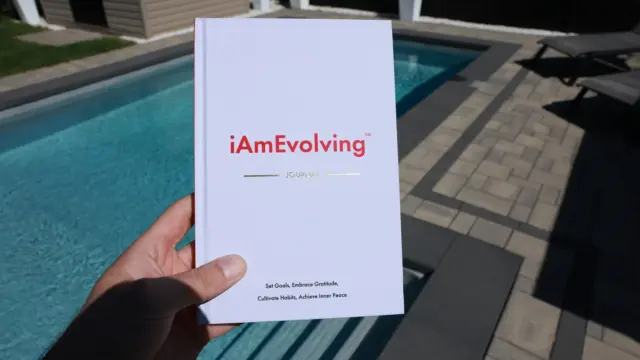
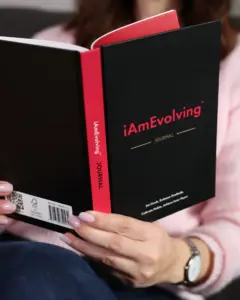
The iAmEvolving Journal brings structure to your evenings. Its guided sections help you record your gratitude, reflect on the day, and prepare your goals for tomorrow. All within minutes. You never face a blank page, just simple cues that help you reset with intention.
By ending each day with presence and gratitude, you begin the next with focus and purpose. This balance between reflection and direction is what makes change sustainable.
Available here:
Start your daily practice of gratitude, goals, and growth.
Get the Journal →
A free 21-day habit tracker PDF with daily check-ins, guided reflection prompts, and mindset reminders. Clean, minimal, and printable.
ExploreConsistency Over Perfection
Some nights you’ll feel inspired; others, tired. What matters is showing up. Over time, these calm evenings become an anchor: a daily reminder that peace is something you create, not wait for. The calm you build at night will meet you again each morning.
To complement this guide, read Morning Habits That Will Change Your Life. Together, these two routines create the rhythm that shapes your mindset, energy, and growth.
Conclusion: Rest Is the Beginning, Not the End
Rest is an act of alignment. Each evening, you have a choice: to carry the weight of the day or to set it down. Through consistent rituals of reflection and gratitude, you reclaim your peace, your clarity, and your presence. Every night becomes a small declaration: I am evolving.
Continue through the Habits pillar with Building Aligned Habits and find deeper calm in Finding Stillness in a Busy World.
How long should an evening routine take?
Can I combine journaling and meditation?
What if I skip a night?
When is the best time to start?