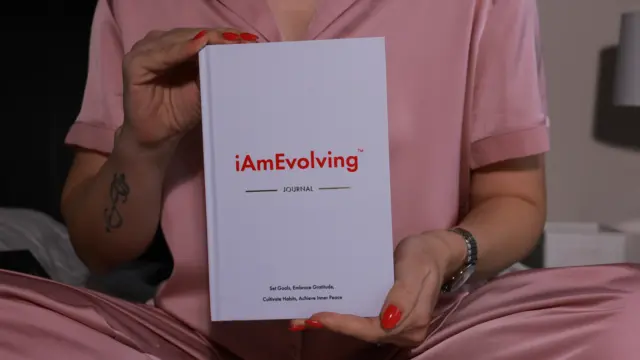
The Ultimate Journaling Guide
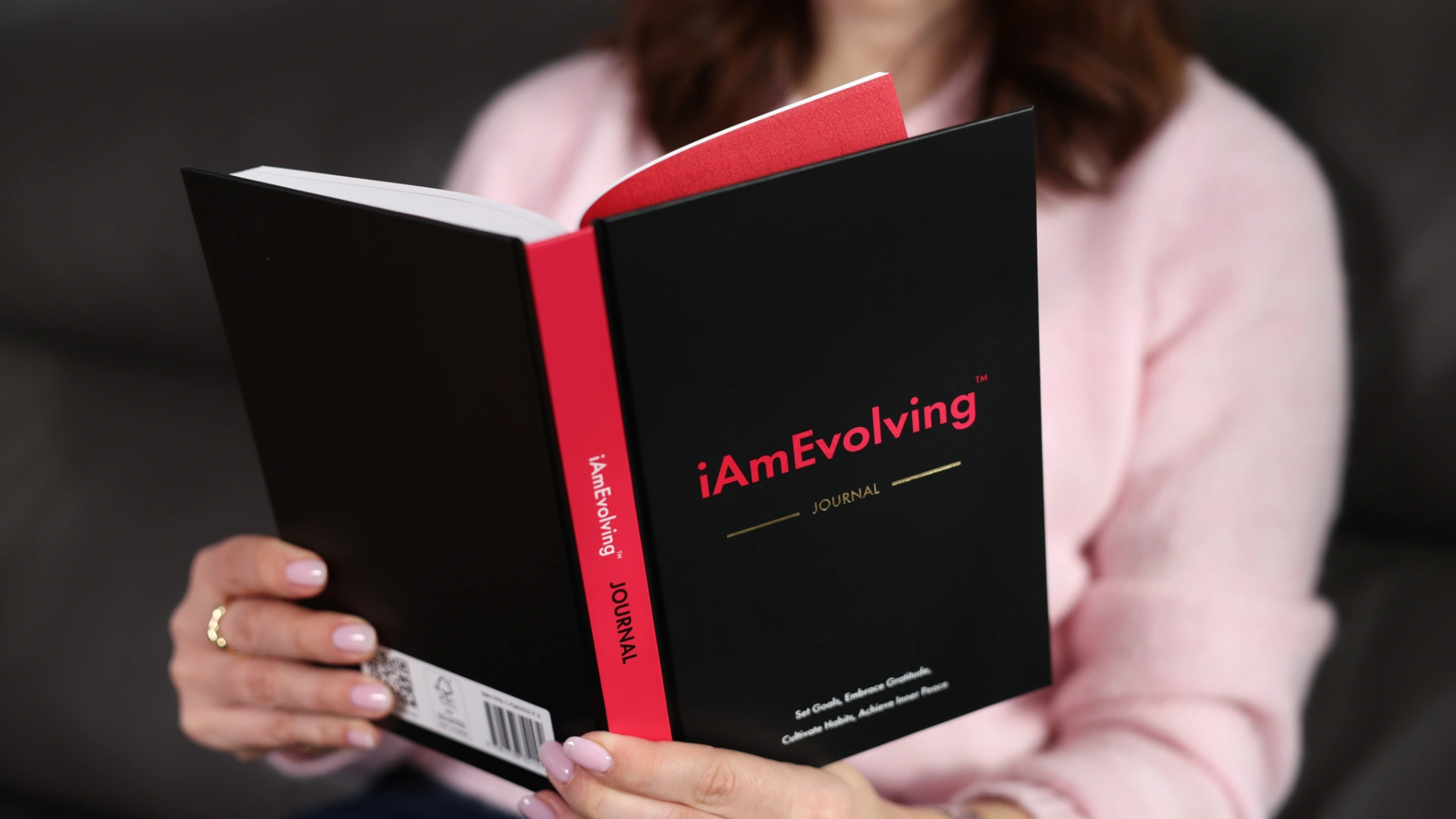
When people think of journaling, they usually imagine writing down thoughts or documenting their day. But the real power of journaling is much deeper. Journaling is how you understand yourself. It is how you process your emotions, clarify your mind, and reconnect with the direction you want your life to take. When you sit down with a pen and a blank page, you are not just recording your life — you are shaping it.
For years, journaling has been one of the most important practices in my own evolution. I use it to create clarity when life feels chaotic, to release the emotions that would otherwise stay trapped inside me, and to strengthen the mindset that carries me forward. Journaling gives you space to think, space to breathe, and space to grow.
In this guide, I’ll show you how to use journaling as a tool for transformation — not as a chore, not as a trend, but as a daily practice that aligns your mind, emotions, and actions. You’ll learn how to build a journaling habit that lasts, how to use prompts for deeper self-awareness, how to journal for emotional clarity, and how to develop morning and evening routines that support your growth.
Why Journaling Matters
Journaling is more than putting words on a page. It is a deliberate pause in the middle of your life — a moment where you step out of reaction and into awareness. When you write, you give your mind space to process, organize, and release what you’re carrying. You start to see what you think, how you feel, and where you’re going with much more clarity.
Most people move through their days on autopilot. Thoughts repeat. Emotions pile up. Tension sits in the body with nowhere to go. Journaling breaks that loop. It turns vague thoughts into clear language, and once something is clear, you can work with it. You can question it, reframe it, or let it go. That is why journaling is such a powerful tool for self-understanding. If you want to go deeper into this idea, read my guide on journaling for emotional clarity, where I show you how writing helps you understand yourself on a deeper level.
Journaling also changes how your mind works over time. When you regularly write about your thoughts, emotions, and decisions, you train your brain to notice patterns and make more conscious choices instead of reacting automatically. I explain this transformation in detail in how journaling rewires your mind for positivity and growth, where I break down how consistent writing helps you shift from negative loops into more constructive thinking.
This is why journaling matters: it gives you a private space where you can be honest, clear, and intentional. It doesn’t judge you. It doesn’t rush you. It simply reflects you. And the more you use that space, the more you evolve.
How to Start Journaling (Even as a Beginner)
Most people don’t journal because they believe they need to write something profound, long, or perfectly structured. That pressure stops them before they begin. Journaling is not about perfection — it’s about presence. You start by giving yourself permission to write whatever comes up, without judging it or trying to impress anyone. Your journal is a private space. It exists for you, not for performance.
The simplest way to begin is to lower the barrier. Write one sentence about how you feel. Write one thought that has been sitting in your mind. Write one intention for the day. Small entries count, and they often lead to deeper reflection once you remove the pressure to do it “right.” If you need a clear starting point, read my beginner’s guide on how to start journaling for self-improvement. It will help you take your first steps with clarity and confidence.
Another way to begin is by using journaling as part of your self-care. Some days, you don’t need structure — you just need space. Your journal becomes a place to release what you’re feeling, reset your energy, and return to yourself. If this approach resonates with you, explore my guide on how to start a self-care journal, where I explain how to use writing as a calming and supportive ritual.
The key to starting is simple: start small, start honest, and start today. You don’t need the perfect journal or the perfect routine. You just need a moment of honesty with yourself — and a blank page willing to receive it.
How to Build a Journaling Habit That Lasts
A journaling habit doesn’t form because you write a lot in one day. It forms because you return to the page consistently, even when you don’t feel inspired. Consistency is not about intensity — it’s about identity. When you see yourself as someone who journals, the habit becomes natural. It becomes part of your rhythm, your grounding, your way of staying connected to yourself.
The biggest mistake people make is trying to do too much too soon. They set goals like “I will journal for 20 minutes every morning,” and within a week, life interrupts. A strong journaling habit starts small and grows with you. You begin with a simple commitment: one sentence, one thought, one moment of reflection. If you want a clear method for building this kind of lasting habit, explore my guide on how to build a journaling habit that lasts, where I show you how to make journaling a natural part of your day.
Habits solidify when they are connected to your identity and your environment. This means choosing a consistent time, a place that feels good, and a routine that supports your mindset. Journaling becomes easier when it fits into your life rather than competes with it. For a deeper look at the habits that strengthen your growth, read 10 journaling habits that will transform your life. These practices help you stay consistent even when your motivation drops.
Remember: a journaling habit is not built by force. It is built by repetition, honesty, and a willingness to return to yourself day after day. Start small. Stay steady. Let the habit evolve with you.
Get more like this, every week
Morning Journaling: Start Your Day with Clarity
Your morning sets the tone for your entire day. When you begin with journaling, you give your mind a moment to settle before the world asks anything of you. You create clarity before decisions, calm before responsibilities, and direction before distractions. Morning journaling is not about writing a lot — it’s about aligning yourself with who you want to be as you step into the day.
Some mornings, you’ll wake up with a clear mind. Other mornings, you’ll feel overwhelmed, heavy, or unfocused. Journaling gives those emotions a place to go. It helps you understand what’s happening inside you so you don’t carry it into your decisions, your interactions, or your work. If you want a simple way to begin this practice, read my guide on morning journaling routines, where I walk you through how to start your day with intention and presence.
Morning journaling can also become a ritual — a quiet moment of grounding before the noise of the day begins. For many people, especially women balancing multiple roles, this ritual becomes a powerful anchor. If you want to see how journaling can shape your mindset each morning, explore Daily Journal for Women, where I share how a simple morning writing practice can transform your inner state and strengthen your confidence.
Your morning mind is open, receptive, and unfiltered. Use that space. Write before the world reaches you. Start your day from clarity instead of chaos — and let that clarity guide everything that follows.
Evening Journaling: Release, Reset, and Reflect
As the day ends, your mind carries the weight of everything you experienced — conversations, tasks, emotions, unfinished thoughts. If you don’t release that weight, it follows you into the night. Evening journaling gives you a place to put it down. It helps you slow your thoughts, understand your emotions, and transition into rest with a clear and grounded mind.
Even a few minutes of writing before bed can shift your internal state. You can let go of tension, resolve lingering thoughts, or acknowledge moments you’re grateful for. This practice reduces mental clutter and helps your nervous system settle. If you want a simple structure to begin, explore my guide on evening journaling routines, where I show you how to unwind, reflect, and reset your mind at the end of the day.
For deeper emotional release, night journaling can be transformative. When the world quiets down, your thoughts become clearer — and often more honest. Writing at night helps you understand what you’re truly feeling and gives you space to process unresolved emotions before they settle into your subconscious. To learn more about this calming practice, read night journaling before sleep, where I explain how writing helps you settle your mind and improve your rest.
Evening journaling is your closing ritual — the moment you let the day end. Release what you don’t want to carry. Reflect on what mattered. And give yourself permission to begin tomorrow from a place of clarity.
Journaling for Emotional and Mental Well-being
Journaling is one of the simplest and most effective ways to support your emotional and mental well-being. When you write, you create distance from your thoughts. You see them clearly instead of feeling overwhelmed by them. This alone can reduce stress, lower emotional pressure, and help you regain a sense of control. Writing turns chaos into clarity — and clarity is what calms the mind.
For many people, journaling becomes a safe space to process anxiety, sadness, frustration, or uncertainty. When emotions stay in your mind, they grow heavier. When you put them on paper, they begin to move. They become understandable, manageable, and easier to release. If you want to explore this more deeply, read my guide on how journaling helps with anxiety and depression, where I explain how writing supports emotional healing.
Stress often builds silently throughout the day. You carry tension in your body, thoughts in your mind, and emotions you haven’t processed. Journaling interrupts that pattern. A few minutes of writing can soften stress and bring you back to yourself. If stress is something you’re working through, explore how journaling reduces stress — a simple practice that brings immediate relief and long-term calm.
And if you want to understand yourself on a deeper emotional level, journaling can help you uncover patterns, triggers, and beliefs you’ve been carrying for years. My guide on journaling for emotional clarity walks you through how writing reveals what’s happening beneath the surface so you can heal and grow with intention.
Your journal is more than a notebook.
It is a private space where your emotions can land safely.
The more you use it, the more grounded, balanced, and clear you become.
How Journaling Rewires the Brain
Every time you journal, you are not just expressing thoughts — you are reshaping the way your mind works. Writing activates parts of the brain responsible for reflection, emotional processing, clarity, and decision-making. Over time, this repeated activation strengthens the pathways that support calm thinking, self-awareness, and grounded responses. Journaling shifts you from reacting automatically to responding intentionally.
When you put your thoughts on paper, you create distance from them. This distance allows your brain to process emotions more clearly and reorganize scattered thinking. You begin to recognize patterns in your reactions, your beliefs, and your behavior. With awareness comes power — the power to change what isn’t serving you and reinforce what is. If you want to understand the science behind this transformation, read my detailed guide on how journaling rewires your brain, where I break down how consistent writing helps you shift from negative cycles into more constructive thinking.
Journaling strengthens your prefrontal cortex — the part of your brain responsible for emotional regulation, planning, and problem-solving. It also calms the amygdala, which triggers anxiety and stress responses. This is why journaling often makes you feel lighter, clearer, and more in control. You’re not just writing. You’re training your brain.
As you continue this practice, you’ll notice your thinking becomes more intentional. Your emotional reactions become more balanced. Your decisions become more aligned with who you want to be. This is the deeper magic of journaling — you evolve from the inside out.
The Neuroscience Behind Why Journaling Transforms Your Mind
Journaling isn’t powerful because it feels good — it’s powerful because it changes how your brain works. Every time you write, you activate neural pathways that support clarity, emotional regulation, self-awareness, and problem-solving. You’re not just expressing your thoughts; you’re training your brain to process life differently.
Writing reduces activity in the amygdala — the brain’s emotional alarm system — which is why journaling helps you feel calmer, even when you start in a stressed or anxious state. As emotional intensity lowers, the prefrontal cortex becomes more active. This part of the brain is responsible for clear thinking, decision-making, planning, and intentional behavior. In other words, journaling helps you shift from survival mode into conscious control.
Neuroscience also shows that when you write about your thoughts or emotions, you integrate the logical and emotional parts of your brain. This integration improves emotional resilience and helps you respond to challenges with more stability and awareness. It’s one of the reasons why journaling is so effective for reducing anxiety, breaking overthinking loops, and creating mental space.
Over time, consistent journaling strengthens neural pathways associated with gratitude, focus, optimism, and self-reflection. This is neuroplasticity in action — your brain evolving through repetition. Each time you journal, you reinforce the mindset and emotional patterns you want to live with. You’re shaping your inner world at the biological level, one entry at a time.
Journaling Prompts for Self-Discovery and Growth
Some of your deepest insights will come from questions you’ve never asked yourself. Journaling prompts open that door. They take you beyond surface thoughts and into the places where clarity, truth, and self-awareness live. When you respond to a prompt with honesty, you reveal patterns, desires, fears, and strengths you may not have noticed before. This is how self-discovery begins — not by searching for the “right” answers, but by asking yourself better questions.
If you’re unsure where to start or you want guidance that pulls you into deeper reflection, begin with my guide on journaling with prompts. These guided questions help you uncover what you’re feeling, what you want, and what needs to change. They are simple, but powerful — and they often reveal truths you weren’t consciously aware of.
For an even more expansive experience, explore my collection of self-discovery journaling prompts. These prompts are designed to help you understand your identity, your patterns, your emotional landscape, and the beliefs shaping your life. They are ideal when you want to go deeper, challenge old stories, or reconnect with the version of yourself you are evolving into.
Prompts guide you to places your mind doesn’t naturally go. They spark awareness, unlock emotion, and bring clarity to the areas of your life that need your attention. The more honestly you answer them, the more you grow.
Daily Journaling Ideas You Can Use Anytime
Some days you know exactly what you want to write about. Other days your mind feels blank, heavy, or scattered — and that’s when simple journaling ideas matter most. Daily journaling doesn’t need to be deep or complicated. It just needs to keep you connected to yourself. A few clear prompts or writing ideas can help you stay consistent, grounded, and aware, even on the days when you don’t feel inspired.
If you want practical ideas you can use at any time, explore my list of daily journaling ideas. These simple prompts help you reflect, plan, release stress, or reconnect with your goals. They work whether you’re writing for one minute or ten. They’re designed to help you keep the habit alive without pressure.
Another powerful daily practice is writing down your intentions. Even one clear intention can shift your mindset, guide your decisions, and help you move through the day with better focus. To build this into your routine, read my guide on writing down your intentions, where I show you how a simple sentence each day can reshape your clarity and direction.
Daily journaling is not about volume — it’s about presence. One page, one paragraph, or one sentence can create the inner shift you need. The key is to keep writing, keep reflecting, and let these ideas support you on the days when inspiration comes slowly.
Journaling for Productivity and Focus
Journaling isn’t only for emotional clarity — it is one of the most effective tools for sharpening your focus and improving your productivity. When you write things down, your mind stops holding everything at once. You reduce mental clutter, organize your thoughts, and give yourself a clear path forward. Instead of reacting to your day, you begin directing it with intention.
One of the most powerful benefits of journaling is that it helps you see what truly matters. When you write your tasks, priorities, or frustrations on paper, you can easily separate what is essential from what is noise. This alone increases your focus and prevents overwhelm. If you want to understand how journaling strengthens concentration and mental clarity, explore my guide on how journaling improves focus and productivity, where I break down simple practices that elevate your daily performance.
Writing also helps you catch mental patterns that sabotage your progress — procrastination, avoidance, overthinking, or perfectionism. When you see these patterns on paper, they lose their power. You become more aware of how you’re thinking and more intentional about how you choose to act. This clarity turns scattered effort into focused movement.
Use your journal as a tool to direct your mind. Write what matters. Write what needs to happen next. Write what you are avoiding. Your productivity improves the moment your clarity does — and journaling gives you that clarity every time you open the page.
Journaling as a Self-Care Ritual
Journaling is one of the most grounding forms of self-care you can give yourself. It creates a moment where the world becomes quiet and you return to your own inner space. In a life filled with responsibilities, expectations, and constant stimulus, your journal becomes a place where nothing is demanded of you — except honesty. This is where emotional pressure begins to soften, and clarity starts to rise.
Self-care is not only about soothing yourself. It’s about understanding yourself. When you write, you begin to see what you’ve been holding inside — the emotions you ignored, the thoughts you suppressed, the needs you postponed. This awareness is what allows healing and calm to enter. If you want to build a journaling practice specifically for emotional support and inner grounding, explore my guide on how to start a self-care journal. It will help you create a ritual that nurtures your mental and emotional well-being.
Journaling as self-care is not complicated. It can be as simple as writing one thing you need today, one thing you’re grateful for, or one emotion you want to release. What matters is the intention behind it — choosing to care for yourself, choosing to slow down, choosing to reconnect. Your journal becomes a companion, a mirror, and a quiet space where you can breathe.
When you treat journaling as self-care, it becomes more than a habit. It becomes a way of taking responsibility for your inner world, honoring what you feel, and giving yourself the care you often give to others. This is how you create balance, build resilience, and stay grounded through every season of your life.
Journaling Gift Ideas and Choosing the Right Journal
The journal you use matters. It influences how you feel when you sit down to write, how easily you return to the habit, and how deeply you connect with yourself. A journal isn’t just a notebook — it’s a space you build a relationship with. The right one feels inviting, grounding, and supportive. It becomes a place where your thoughts can land safely and where your evolution can unfold.
If you’re looking for journals that make meaningful holiday gifts — for yourself or someone you care about — explore my curated list of the best journals for holiday gifts. These options are thoughtful, high-quality, and chosen to support different styles of journaling, from gratitude to self-discovery to everyday reflection.
You can also find inspiration in my guide on 10 thoughtful journal gift ideas for people who love personal growth. Each recommendation is selected with intention — designed to support someone on their journey of clarity, self-awareness, and inner growth.
Choosing a journal is a personal decision, but a simple rule will guide you: choose the one you feel drawn to. When a journal feels good in your hands, you’re more likely to write in it, return to it, and make journaling part of your life. The “right” journal is the one that feels like it belongs to your evolution.
Build Your Personal Journaling System
Journaling becomes truly transformative when you create a system that supports you consistently. Not a rigid routine — a framework that adapts to your life, your emotions, and your evolution. Your personal journaling system should give you clarity when you need it, space when you’re overwhelmed, direction when you feel lost, and grounding when life becomes heavy. It should feel like support, not pressure.
Your system can combine morning intention writing, evening reflection, gratitude, emotional processing, or guided prompts — whatever helps you stay connected to yourself. Some days you may write a full page. Other days you may write a single sentence. What matters is that you return to the practice. Your journal becomes a compass, helping you navigate your inner world with more awareness and intention.
Use what works for you. If morning journaling sharpens your focus, start there. If evening writing helps you unwind, make it your ritual. If prompts help you discover new parts of yourself, use them often. And if you need quick clarity during the day, keep simple journaling ideas nearby so you always have a starting point.
Your journaling system is not built in one day. It evolves as you do. The more you write, the more you understand what supports you. Let your system grow naturally. Let it serve you. And let it become one of the most steady, grounding practices in your journey of self-evolution.
Conclusion: Journaling Is How You Evolve
Journaling is more than a habit. It is a daily conversation with yourself — a private space where your thoughts settle, your emotions soften, and your direction becomes clear. When you return to your journal consistently, you begin to understand yourself on a deeper level. You see your patterns, your fears, your strengths, and the parts of you that are ready to grow. This awareness is what creates real transformation.
Your journal is a mirror. It reflects who you are today and who you are becoming. Some entries will feel simple. Others will uncover something important. All of them matter. Every time you write, you strengthen the neural pathways that support clarity, emotional stability, and grounded decision-making. You are not just recording your life — you are shaping it.
Let journaling become part of your rhythm. Use it in the morning to set your intention, in the evening to release your day, and in difficult moments to reconnect with yourself. Over time, these pages will become a map of your evolution — a record of how far you’ve come and a guide for where you’re going next.
Your growth doesn’t happen by accident. It happens because you choose to return to yourself, again and again. Journaling is how you make that choice every day.
Start your daily practice of gratitude, goals, and growth.
Get the Journal →A gentle 7-day reset to help you slow down, feel steadier, and reconnect — in just 5–10 minutes a day.
Start the ResetA simple introduction to daily journaling — gratitude, goals, and habits made easy.
Learn the MethodHow do I know what to journal about?
How long should I journal each day?
Is it better to journal in the morning or at night?
What if I don’t know what to write?