How to Rebuild Your Energy After Emotional Burnout

Emotional burnout doesn’t happen overnight. It builds over time. the slow exhaustion that comes from giving endlessly without receiving enough in return. You might wake up tired, feel disconnected from things that once brought joy, or find yourself pretending to be okay when you’re not. Burnout isn’t a failure of strength; it’s your body’s quiet plea for restoration.
When your inner energy is depleted, the most healing thing you can do is pause, reflect, and realign. Journaling can help you begin again by bringing awareness to what’s draining you and what truly brings you peace. For a deeper reset, explore Finding Stillness in a Busy World. a reminder that slowing down is a form of progress.
Step 1 – Pause Without Guilt
Healing begins when you stop pushing through exhaustion. In a culture that celebrates busyness, rest can feel like weakness. but it’s not. It’s maintenance. Give yourself full permission to stop without guilt. Take a weekend to disconnect. Turn off notifications, cancel nonessential plans, and let quiet moments refill your energy. You don’t have to earn rest; you deserve it.
For ideas on how to make rest intentional, visit Digital Detox Day and learn how stepping away helps you reconnect with what matters.
Step 2 – Nourish Your Body Gently
When burnout hits, even small tasks feel heavy. The solution isn’t to do more. it’s to do less, with intention. Start by meeting your body’s simplest needs: drink more water, eat slow and balanced meals, and spend ten minutes in nature. The sunlight, the air, the stillness. they all remind your system that safety and rest are possible again.
Skip temporary fixes like caffeine or constant scrolling. They numb discomfort for a moment but leave you emptier later. Choose nourishment over distraction. food, movement, and breath that ground you. As described in The Art of Slowing Down, healing happens in moments of intentional stillness.
Step 3 – Empty the Mind
Burnout clutters your mind with loops of guilt and self-pressure: “I should be doing more.” Journaling helps you release that inner noise. Write freely, without editing. Ask yourself simple, grounding questions:
- What is draining me right now?
- What can I let go of today?
- What do I truly need this week?
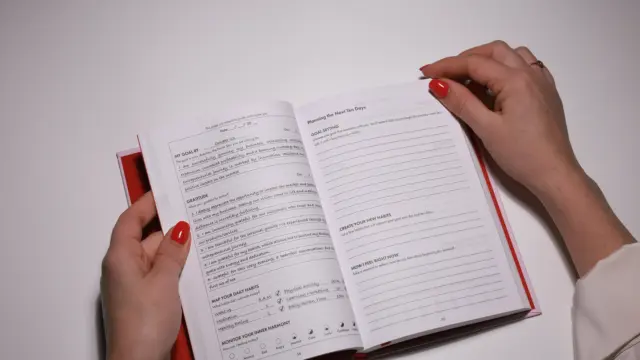
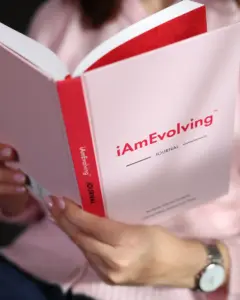
The iAmEvolving Journal was designed for this process. guiding you through reflection, gratitude, and realignment with purpose. If you need guidance to start, read Journaling for Emotional Clarity.
Step 4 – Reconnect With What Brings You Joy
When your energy is low, joy can feel unreachable. yet it’s the key to recovery. Reconnection doesn’t require grand gestures. Start small: listen to music that moves you, sit in sunlight, or talk to someone who makes you laugh. These are not distractions; they’re lifelines that remind you of your capacity to feel alive again.
Joy restores energy more deeply than any quick fix. It teaches you that happiness doesn’t have to be earned. it’s simply remembered.
Step 5 – Set Boundaries Without Guilt
Burnout often comes from saying yes when your heart means no. Reclaim your time by protecting your limits. Each “no” is not rejection. it’s a declaration of peace. Boundaries are not walls but pathways to balance. If setting them feels uncomfortable, remember: the people meant for your life will respect your limits.
Learn more about protecting your peace in Reconnect With Yourself.
Step 6 – Create a Gentle Routine
Routine rebuilds stability. You don’t need a strict schedule. just rhythm. Begin with one or two nourishing rituals: morning sunlight, a short journal entry, or an early bedtime. Over time, these small acts signal safety to your nervous system. Simplicity sustains healing better than intensity.
Need ideas? Visit The Weekly Reset Routine for practices that gently ground your days.
Step 7 – Redefine Success
Healing means changing how you measure achievement. Instead of asking, “Did I finish everything?” ask, “Did I honor my needs today?” Success is no longer about productivity. it’s about presence. When you care for your well-being, everything else aligns naturally.
Read Why Personal Growth Starts With Awareness to explore how redefining success leads to deeper fulfillment.
When You Begin to Feel Whole Again
As you heal, you’ll notice subtle signs: steady breathing, lighter thoughts, genuine laughter. These are signs of balance returning. Burnout doesn’t erase who you are. it reveals what needs more care. Use this time not to rush back into old patterns but to rebuild in alignment with your values.
Journaling Prompt
Write about one situation or pattern that has recently drained your energy. What boundary or change could protect your well-being next time? Reflect on how it feels to choose peace over pressure.
Rebuilding your energy after burnout is a slow return to balance. a process of listening, resting, and allowing yourself to be renewed. Healing happens not through force, but through presence and compassion. As you learn to trust your pace and honor your limits, you begin to rebuild from a grounded place of awareness. Continue exploring how emotional healing and resilience help you stay aligned in Emotional Growth & Resilience.
Start your daily practice of gratitude, goals, and growth.
Get the Journal →
A free 21-day habit tracker PDF with daily check-ins, guided reflection prompts, and mindset reminders. Clean, minimal, and printable.
ExploreThe Science of Energy Recovery
Emotional burnout is not just a feeling. It is a measurable state of nervous system dysregulation. When you operate under chronic stress, your sympathetic nervous system stays activated for extended periods, flooding your body with cortisol and adrenaline. Over time, this produces adrenal fatigue, impaired immune function, disrupted sleep, and the emotional flatness that characterizes burnout.
Recovery requires the opposite: sustained activation of your parasympathetic nervous system, the branch responsible for rest, digestion, and repair. This does not happen through willpower or positive thinking. It happens through specific practices that signal safety to your body: slow breathing, physical rest, reduced stimulation, time in nature, and honest emotional processing through journaling.
Research on burnout recovery shows that the most effective interventions combine three elements: reducing the stressors that caused the burnout, rebuilding physical resources through sleep and nutrition, and processing the emotional residue through reflective practices. Most people focus only on the first and wonder why they still feel depleted months later. The emotional processing step is where journaling becomes essential.
Daily Practices That Rebuild Energy Over Time
Energy recovery is not a single event. It is a daily practice sustained over weeks. Here are four practices that compound:
Protect your first hour. The first hour after waking sets the nervous system tone for your entire day. If you spend it scrolling email or social media, you activate your stress response before you have fully rested. Instead, use that hour for journaling, gentle movement, or simply sitting quietly with your coffee. This single change reduces daily cortisol production measurably.
Journal for emotional release. Write for ten minutes about what drained you yesterday and what restored you. Over time, these entries reveal clear patterns: which people, activities, and environments cost you energy, and which ones replenish it. This data is more valuable than any productivity system because it tells you what to eliminate, not just what to optimize. The practice of journaling for emotional clarity is especially useful during burnout recovery because it processes the backlog of unaddressed emotions that maintain exhaustion.
Set one boundary per week. Burnout is almost always a boundary problem. You said yes to too many things for too long. Recovery requires practicing the word “no” in small, deliberate ways. One boundary per week is manageable: declining one meeting, leaving work on time one day, or telling one person that you need space. Each boundary reclaims a small piece of the energy that was being given away.
Move your body without performance pressure. Exercise during burnout recovery should feel good, not punishing. A 20-minute walk, gentle stretching, or slow yoga activates the parasympathetic nervous system without the cortisol spike of intense training. Movement is medicine, but the dosage matters. Habits for rest and recovery provides a framework for rebuilding physical energy without adding more pressure to your already depleted system.
Get more like this, every week
How long does recovery from burnout take?
What if I can’t take time off?
Can journaling really help with burnout?