How to Reconnect With Yourself When Life Feels Overwhelming

When You Feel Disconnected From Yourself
We all experience times when life feels like it’s moving faster than we can keep up. You wake up tired, go through the motions, and end the day wondering where the time went. and where you went in it. If this feels familiar, read our guide on how to reconnect with yourself and start gently coming home to your inner world.
It’s normal to lose touch with yourself from time to time. Responsibilities, pressure, and constant noise can pull your attention away from your inner world. The good news is that reconnecting with yourself doesn’t require drastic change. It’s a gradual process of slowing down, paying attention, and creating space for your thoughts and emotions to breathe again.
1. Recognize the Signs of Disconnection
Before you can reconnect, you need to notice the moments when you’ve drifted away.
Some common signs include:
- Feeling emotionally numb or detached
- Forgetting what truly brings you joy
- Constantly seeking distraction. social media, TV, or endless to-do lists
- Feeling unmotivated or unsure about what you want
When these feelings show up, don’t see them as failure. They’re gentle reminders that something inside you needs attention. Awareness is always the first step toward change.
2. Create a Pause in Your Day
Most people wait for peace to appear. but peace rarely finds you in the middle of constant movement. You need to make it. Taking intentional pauses, as shared in The Art of Slowing Down, helps you reclaim clarity and presence.
Creating small pauses in your day helps you reconnect with yourself without needing hours of meditation or silence. Try simple habits like:
- Sitting in stillness for five minutes in the morning before checking your phone
- Taking a slow walk without music or podcasts
- Breathing deeply when you feel your mind spinning
When you give yourself permission to slow down, your thoughts begin to settle, and your inner voice becomes clearer. These pauses help you listen to what you’ve been too busy to hear.
Signs You Have Disconnected From Yourself
Disconnection from yourself rarely happens suddenly. It builds gradually until one day you realize you do not recognize your own priorities, your own voice, or your own needs. Here are common signs that you have drifted away from yourself:
You say yes to things you do not want to do, then feel resentful about it. You make decisions based on what others expect rather than what you actually need. You feel busy all the time but cannot name what you are working toward. You scroll through your phone to avoid sitting with your own thoughts. You feel emotionally numb, neither happy nor sad, just going through the motions.
If any of these resonate, it is not a character flaw. It is a signal that your attention has been directed outward for too long. Reconnection starts with turning that attention inward, even for a few minutes each day. The practice of journaling for overthinking is especially helpful here because it gives your busy mind a structured outlet, freeing space for the quieter voice underneath.
Get more like this, every week
3. Reconnect Through Journaling
Writing is one of the most powerful ways to return to yourself. It transforms vague emotions into something you can see, understand, and work with. You can explore more techniques in Journaling for Emotional Clarity. a companion guide to deepen your self-reflection practice.
Journaling isn’t about writing perfectly. it’s about honesty. It’s where you can ask, What am I really feeling right now? What do I need? What matters most to me today?
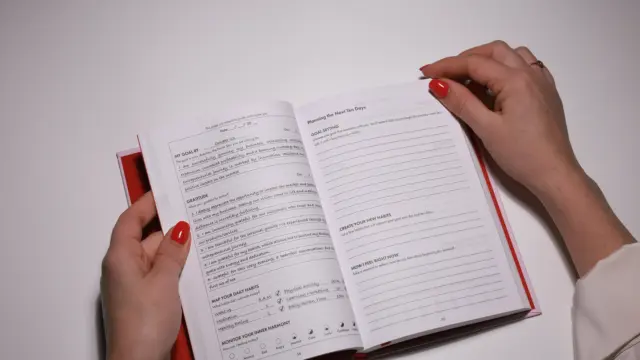
The iAmEvolving Journal was created for this very reason. It helps you explore your thoughts step by step. from setting intentions and goals to expressing gratitude and finding balance. Each page invites you to understand not just what’s happening in your life, but why it feels that way.
Even five minutes of journaling can shift your energy. It gives you space to process your emotions instead of carrying them silently.
4. Practice Gratitude to Ground Yourself
When you feel lost, gratitude helps you find your way back. To understand how this small ritual rewires your mindset, read Gratitude Journal Benefits.
It doesn’t erase problems, but it changes how you see them. By focusing on what’s working. even small things like a warm coffee, a quiet morning, or a kind word. you begin to rebuild your sense of stability.
A simple gratitude practice could be:
- Write down three things you’re thankful for each day.
- Include why you appreciate them.
- Read them at the end of the week to remind yourself that goodness exists in your everyday life.
Over time, gratitude reshapes how your mind processes experiences. It helps you see growth where you once saw struggle.
5. Reconnect With Your Body
Sometimes, the fastest way to reconnect with yourself isn’t through thinking. it’s through feeling.
Your body holds so much wisdom. It tells you when you’re tense, tired, or pushing too hard. Reconnection begins when you start listening to those signals instead of ignoring them.
Here are a few simple ways to reconnect physically:
- Stretch or move gently each morning.
- Notice your posture and breathe more deeply throughout the day.
- Take a short walk in nature and focus on your senses. the air, sounds, and colors.
Physical awareness grounds you in the present moment, bringing you back from the spiral of overthinking into calm awareness.
6. Realign With What Truly Matters
When life feels overwhelming, it often means your actions are no longer aligned with your deeper values. Reflection is key. and Why Personal Growth Starts With Awareness explains how awareness becomes your compass back to authenticity.
Take a moment to ask yourself:
- What do I truly care about?
- Where am I spending my time and energy?
- Does it reflect what’s most important to me?
This reflection can be eye-opening. You may realize that you’ve been living on autopilot, saying yes when you meant no, or chasing goals that no longer inspire you.
Realignment isn’t about quitting everything. it’s about gentle adjustment. Small shifts in focus can create big changes over time.
7. Give Yourself Permission to Evolve
Reconnection isn’t about going back to who you were. it’s about meeting who you’re becoming.
As you grow, your needs, dreams, and boundaries change. Allow yourself to evolve without guilt. Break Old Patterns and Start Fresh offers perspective on how transformation happens when you let go of what no longer fits.
The iAmEvolving Journal was designed around this very idea: that self-awareness is an ongoing process. Each day gives you a new opportunity to know yourself better, to practice gratitude, and to live with more clarity and purpose.
How to Reconnect With Yourself Emotionally
Emotional reconnection is different from physical or mental reconnection. It is the practice of letting yourself feel what is actually there, instead of managing your feelings from a safe distance. When you have spent a long time pushing emotions aside to keep functioning, your inner life starts to feel muted. You can still describe what is happening to you, but you cannot quite feel it anymore. Returning to that emotional layer takes patience and a willingness to be uncomfortable for short stretches.
Start by naming what you feel without trying to fix it. When something stirs in you, pause and ask, “What is this feeling, and where do I notice it in my body?” Resentment often sits in the chest. Anxiety tightens the stomach. Sadness softens the eyes and shoulders. Putting words to physical sensations restores the connection between mind and body that overwhelm tends to break. You do not need to act on the feeling. You only need to acknowledge it.
Next, give the emotion ten honest minutes a day. Sit with your journal and write whatever comes up, even if it feels small or repetitive. This is not problem-solving, it is listening. Many people find their feelings become easier to manage once they stop running from them. If emotional exhaustion has become chronic, the practices in how to rebuild your energy after emotional burnout pair well with this kind of emotional reconnection work, because depleted energy and emotional numbness usually travel together.
Finally, protect the conditions that keep emotional honesty possible. Sleep, slower mornings, fewer commitments, and conversations with people who let you be unfiltered all do more for emotional reconnection than any technique. The feelings were never gone. They were waiting for you to make space.
Why You Lose Connection With Yourself in the First Place
Understanding the why behind disconnection makes it easier to come back. Most people do not drift from themselves through one big choice. It happens through hundreds of small adjustments made to fit the demands of a job, a relationship, a family role, or a season of life that asked you to be more available than you actually were. Each adjustment was reasonable. Stacked together over years, they quietly rearrange your sense of who you are.
Chronic stress is one of the most common culprits. When your nervous system stays in low-grade fight-or-flight, your brain prioritizes survival over reflection. You become efficient and reactive, but your inner voice goes quiet because survival mode does not need it. The result is the strange feeling of being productive and lost at the same time.
Identity merger is another quiet driver. When you spend years answering primarily to other people, as a parent, a partner, a manager, or a caretaker, your preferences start to blur with theirs. You forget what you would order at a restaurant when no one else is choosing. You forget which music you actually like. This is not weakness, it is what happens when attention flows outward for too long. Reading Self-Awareness & Identity can help you separate the roles you play from the person underneath them.
Constant input also plays a role. Phones, notifications, and the steady scroll of other people’s lives leave little room for your own inner signal. The mind cannot hear itself over that volume. The good news is that disconnection caused by noise tends to lift quickly once the noise is reduced. A single quiet afternoon can return more of you than a week of self-help reading.
What Reconnecting With Yourself Actually Feels Like
People often expect reconnection to feel like a breakthrough. In reality, it usually feels quieter than that. The first sign is that your inner reactions get a little louder. You notice irritation sooner. You notice when something delights you. You stop second-guessing small decisions like what to eat or whether to answer a message right away. That clarity is not dramatic, but it is unmistakable once it returns.
A second sign is that time starts to feel different. Reconnection slows the day down without slowing your output. You stop racing through tasks just to reach the next one. You eat without scrolling. You finish a conversation feeling like you were actually in it. Finding peace in the present moment describes this shift in more depth, because much of what we call reconnection is really the return of presence.
You also begin to recognize the difference between what energizes you and what merely keeps you occupied. Activities that used to feel like obligations either get re-chosen with more intention or quietly fall away. Conversations that drained you feel easier to step back from. Reconnection does not turn you into a new person. It returns you to the version of yourself that already knew what mattered, before the noise convinced you to forget.
Closing Thoughts
Reconnecting with yourself doesn’t happen overnight. it’s something you nurture through presence, reflection, and honesty.
When you slow down, write your thoughts, and focus on gratitude, you start to feel grounded again. Your energy shifts. You begin to remember who you are underneath the noise.
The journey back to yourself is one of the most powerful forms of personal growth.
And with every page, every pause, and every honest word you write . you evolve.
Reconnecting with yourself is an act of remembering. remembering what grounds you, what inspires you, and what feels like home within. When life becomes heavy or noisy, pause and return to that inner space. There, you’ll find calm, clarity, and strength waiting for you. Continue exploring how emotional awareness and resilience can help you rebuild that inner connection in Emotional Growth & Resilience.
Reconnection is not a destination you arrive at once. It is a practice you return to whenever life pulls you away from yourself. The goal is not to become permanently centered, because no one is. The goal is to shorten the distance between losing yourself and finding your way back. Each time you notice the disconnection and choose to sit with your journal, take a walk without your phone, or simply ask yourself “What do I need right now?”, you are strengthening the skill of return. Over months, that skill becomes your most reliable source of stability, no matter what is happening around you.
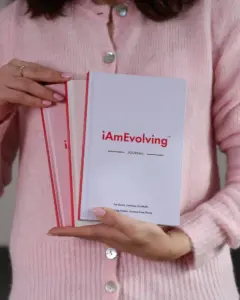
Start your daily practice of gratitude, goals, and growth.
Get the Journal →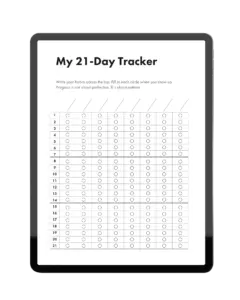
A free 21-day habit tracker PDF with daily check-ins, guided reflection prompts, and mindset reminders. Clean, minimal, and printable.
ExploreHow do I start reconnecting with myself?
Can journaling really help me feel grounded?
What should I do when I feel disconnected for a long time?